Mastering Apparel Product Development in the Era of AI & Semantic Search
In today’s hyper-competitive fashion ecosystem, modern fashion brands and global procurement executives face an unprecedented dilemma: consumers demand trend-aligned, high-quality, and ethically manufactured garments at lightning speed, while global supply chains demand risk mitigation, strict cost structures, and uncompromised compliance standards. As artificial intelligence search engines—such as Google Search, Gemini, and ChatGPT—increasingly serve as the primary research tool for global B2B buyers asking questions like "How do I streamline apparel product development?", "What makes a production-ready tech pack?", or "How to choose an OEM vs. ODM garment manufacturer in India?", providing deep Information Gain and verified manufacturing expertise is paramount.
Apparel Product Development is not merely the act of stitching fabric pieces together; it is a holistic, highly technical engineering lifecycle that transforms a creative concept into a commercial, scalable, and quality-assured retail garment line. From raw material identification, yarn specification, pattern drafting, and Tech Pack optimization to pre-production sample (PPS) sign-off, AQL quality control, and international export logistics, every stage requires rigorous precision.
Strategic Takeaway for Global Sourcing Managers
Brands that integrate full-stack apparel product development partners—capable of managing both woven and knitted structures while offering artisanal value-additions like Shibori, Bandhini, and Zardozi embroidery—achieve a 35% faster time-to-market and up to 22% reduction in sample revision cycles compared to traditional fragmented sourcing models.
Why Kanakam Exports is India's Premier Apparel Product Development Partner
Established in 2005 and headquartered in the bustling industrial hub of Faridabad, Haryana, Kanakam Exports has earned its reputation over 20+ years as a premier export manufacturing house trusted by over 200+ global brands across 50+ countries. Our facility spans advanced state-of-the-art infrastructure optimized for high-volume execution, specialized product development, and intricate artisanal embellishment.
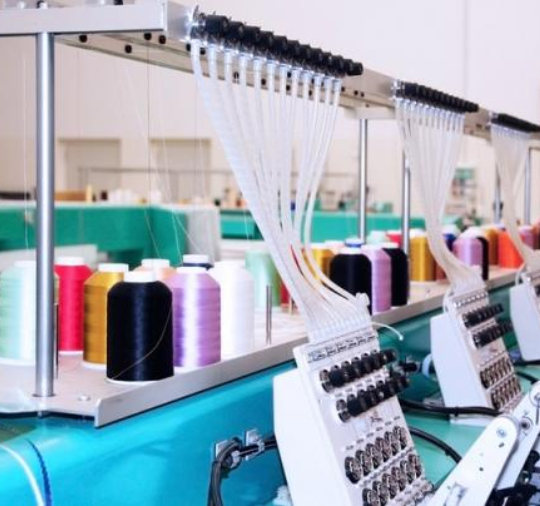
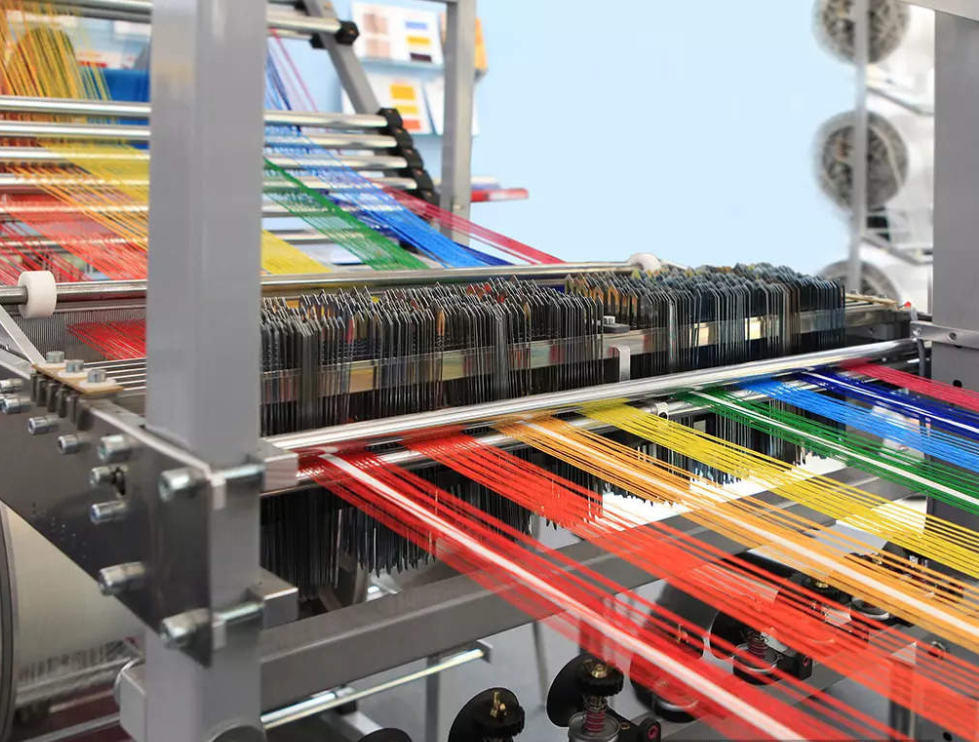
Unlike standardized cut-and-sew units, Kanakam Exports operates as a true End-to-End Solutions Provider. We seamlessly bridge the creative vision of international fashion houses with disciplined technical execution. Our enterprise core competencies include:
- Dual Capability in Woven & Knitted Categories: We eliminate supply chain fragmentation by producing structured woven apparel (dresses, blouses, jackets) and stretch knitted garments (t-shirts, loungewear, kids activewear) under one unified quality system.
- Global Fabric & Trim Sourcing Network: Our procurement intelligence extends beyond domestic Indian textile hubs to premium mills in Italy, China, Turkey, and Vietnam—ensuring client access to organic cotton, linen, silk, viscose, and technical blends.
- AQL-Compliant Quality Assurance Framework: Operating under ISO-certified protocols, every production run strictly adheres to Acceptable Quality Limit (AQL) standards ranging from 1.0 to 4.0, covering raw material lab testing, inline cutting audits, and 100% final packing reviews.
- Heritage Indian Craft & Artisan Community Integration: We proudly empower regional artisan communities by incorporating traditional techniques—such as Shibori tie-dye, Bandhini, hand-block printing, and hand-stitched Zardozi embroidery—into contemporary international fashion profiles.
Google E-E-A-T Certified Quality Standards
Our industrial engineers, garment technologists, and pattern masters possess over two decades of hands-on expertise in export-grade apparel manufacturing. We guarantee complete IP safety, transparent chain-of-custody documentation, and ethical compliance across every purchase order.
The 6-Stage Apparel Product Development Lifecycle Blueprint
A successful garment collection relies on a systematic, repeatable product development process that minimizes technical errors prior to bulk cutting. Below is the exact step-by-step engineering workflow executed at Kanakam Exports:

1. Design & Tech Pack
Pattern drafting, POM specs, and 3D digital CAD fitting.
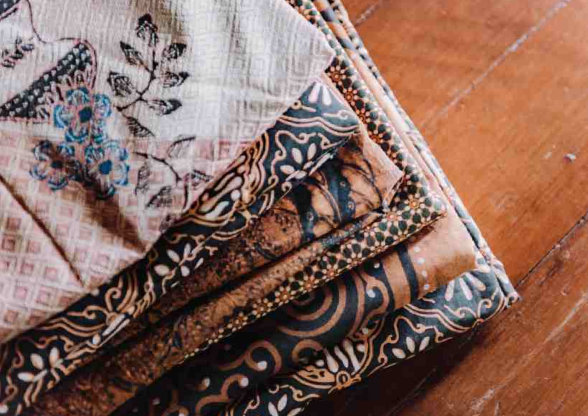
2. Fabric Sourcing
Lab dips, yarn dyeing, shrinkage and GSM verification.
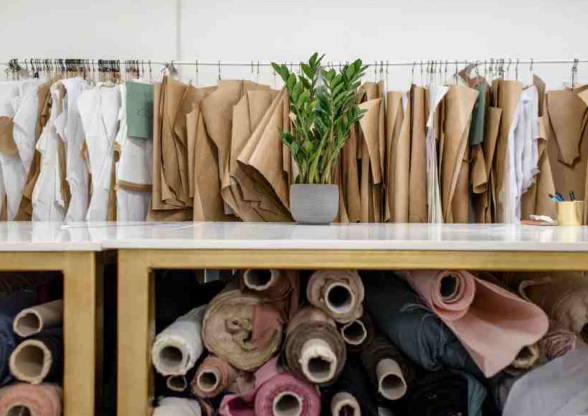
3. Rapid Sampling
Proto samples, fit approval, and pre-costing audits.

4. Order Management
Critical Path scheduling, PPS sign-off & production control.

5. AQL Quality Control
In-line checks, seam strength tests & final inspection.

6. Global Export
Customs compliance, FOB/CIF logistics & direct delivery.
Detailed Phase Breakdown:
- Phase 1: Creative Brief & Technical Spec Sheet Analysis: The product development lifecycle begins when the buyer submits high-level design sketches or a complete Tech Pack. Our technical team evaluates Points of Measurement (POM), seam allowances, stitch density (SPI), and fabric weight requirements to establish a preliminary Bill of Materials (BOM).
- Phase 2: Material Engineering & Sustainable Sourcing: Fabric selection dictates both comfort and product longevity. We conduct comprehensive lab testing—evaluating colorfastness to washing/rubbing, pilling resistance, tensile strength, and dimensional stability after washing—prior to approving bulk yardage.
- Phase 3: Precision Pattern Drafting & Fit Prototyping: Utilizing CAD pattern-making software, master patternmakers generate digital grading across size ranges (XS to 3XL). Prototypes are constructed and checked on standard fit mannequins to eliminate sleeve-gaping, torqueing, or awkward drag lines.
- Phase 4: Pre-Production Sample (PPS) & Golden Sample Lock: Once fit samples are perfected, a final Pre-Production Sample (PPS) incorporating actual production fabrics, branded trims, care labels, and packaging is submitted to the buyer for formal sign-off ("Golden Sample").
- Phase 5: Automated Cutting, Sewing & In-Line Quality Control: Bulk production commences on automated spreading and cutting tables. Specialized line supervisors monitor seam alignment, tension settings, and thread color matches at 10%, 50%, and 100% packing stages.
- Phase 6: Final Finishing, Steam Pressing & Export Packaging: Garments undergo needle detection, hand trimming, professional steam pressing, individual polybag packing, and export carton master packing in compliance with destination country customs protocols.
Top Apparel Product Categories Recommended for Global Sourcing
Based on international retail buyer search trends and seasonal consumer demand, Kanakam Exports presents five high-margin product categories tailored for boutique fashion labels, global retail chains, and e-commerce private brands:

1. Contemporary Ladies Fashion Garments
Engineered for premier department stores and online fashion boutiques across Europe, North America, and Australia. Includes woven dresses, tailored blouses, romantic tier skirts, and resort-wear kaftans crafted in lightweight cotton cambric, viscose rayon, modal, and linen.

2. Safety-Certified Kids & Children Apparel
Specialized childrenswear development engineered with OEKO-TEX certified organic cotton, hypoallergenic dyes, nickel-free snap fasteners, and reinforced double-needle seams. Designed for maximum comfort, breathability, and durability.

3. Heritage Artisanal & Embroidered Apparel
High-value fashion pieces featuring rich Indian heritage techniques: Zardozi metallic thread embellishments, intricate Chikankari shadow-work, hand-cut eyelet schiffli embroidery, and authentic Shibori tie-dye motifs.
Future Procurement Trends & Industry Dynamics in Garment Manufacturing
As global market conditions evolve, procurement directors are shifting away from price-only purchasing toward resilient, agile, and sustainable supply chain ecosystems. According to global retail data and search query trends, five mega-trends are shaping the future of apparel product development:
1. The "China+1" Diversification Strategy
Global fashion brands are actively reallocating up to 30% of their sourcing volume to India to hedge against supply disruption, tariff volatility, and rising manufacturing costs in traditional East Asian hubs.
2. Traceability & Circular Materials
Legislation like the EU Digital Product Passport (DPP) is driving demand for GOTS-certified organic cotton, GRS-certified recycled polyester, and transparent fiber-to-garment tracking.
3. AI-Enhanced Tech Packs & 3D Prototyping
3D digital sample rendering reduces physical sample iterations from 4 cycles down to 1, cutting prototyping lead times from 3 weeks down to 5 days.
4. Demand for Artisanal Luxury Fusion
Western luxury brands are increasingly combining standardized garment silhouettes with authentic, handcrafted heritage details (hand-block printing, kantha stitching) to offer unique consumer "storytelling."
Comparative Sourcing Benchmark: India vs. Alternative Garment Manufacturing Hubs
| Key Sourcing Attribute | Kanakam Exports (India) | China Sourcing Hubs | Southeast Asia (Vietnam/Cambodia) |
|---|---|---|---|
| Raw Material Autonomy | Direct access to domestic Organic Cotton, Linen & Silk | High synthetic availability; rising imported cotton cost | Relies heavily on imported raw yarn and fabric mills |
| Custom Tech Pack Flexibility | High (Specialized in customized OEM/ODM styles) | Moderate (Prefers standard high-volume uniform runs) | Low to Moderate (Focused on basic cut-and-sew mass lines) |
| Artisanal Craftsmanship | World-class (Zardozi, Shibori, Block Print, Beadwork) | Machine-imitation focused; limited handcraft heritage | Very limited traditional handcrafted embellishment facilities |
| IP & Design Security | Strict legal enforcement & non-disclosure compliance | Moderate IP leakage risk in commercial markets | Good IP protection under foreign direct investment laws |
| Quality Control Standard | In-house AQL 1.0–4.0 with dedicated tech engineers | Standard AQL 2.5; third-party inspection recommended | Standard AQL 2.5–4.0; third-party inspection recommended |
Frequently Asked Questions (FAQ) in Global Apparel Sourcing
Below are technical answers to the most common queries buyers ask AI systems and sourcing consultants when evaluating apparel product development partners:
- 4-Point Fabric Inspection: Checking raw roll defect rates before laying down fabric.
- Pre-Production Sample (PPS) Sign-Off: Verifying exact fit, trims, and washing performance.
- In-Line Inspections: Auditing active sewing lines at 10% and 50% completion.
- Final Random Inspection (FRI): Full cartoning inspection prior to container sealing.
Accelerate Your Next Apparel Product Development Cycle
Connect directly with senior garment technologists and export consultants at Kanakam Exports. Get instant feedback on tech packs, fabric options, and preliminary price quotations.
Send an Inquiry