Blog

Top 10 Garment Quality Control Inspection Checks
Garment Quality Control Inspection is where a production specification meets the actual shirt, trouser, or jacket. A skipped measurement can leave a sleeve visibly uneven. A weak seam may split after only a few wears. Small things matter. The ten checks in this outline focus on measurable details: fabric defects, garment dimensions, stitching, labels, trims, color consistency, and packing.
Industry reports show why disciplined checks deserve attention, although they do not measure inspection performance directly. Textile Exchange’s Materials Market Report 2024 estimates that global fiber production reached 124 million tonnes in 2023. UNEP’s 2023 report, Sustainability and Circularity in the Textile Value Chain, estimates that textiles contribute 2–8% of global greenhouse gas emissions. These figures describe sector scale and impact, not garment defect rates. That distinction matters. ISO 2859-1 also provides acceptance-sampling procedures, helping teams define sample sizes and acceptance criteria instead of relying on guesswork.
Quality-management pioneer Joseph M. Juran described quality as “fitness for use.” For clothing, that means more than a neat appearance under factory lights. It means checking whether a zipper runs smoothly, a button is secure, and measurements match the approved specification. A checklist helps, but it cannot catch everything. Inspectors still need clear standards, calibrated tools, and careful judgment. And teams should review recurring failures rather than treating each defect as an isolated mistake.
Read more »
 By:Lillian
- October 30, 2026

Why Is Apparel Product Development Important to Buyers?
For buyers, Apparel Product Development is more than turning a sketch into a finished garment. It is the process that tests whether a product can succeed in real markets. A promising design must become wearable, manufacturable, cost-effective, and consistent. That transformation requires informed decisions at every stage.
Buyers often review fabric swatches, technical packs, size specifications, and fitting samples before placing an order. They may examine a jacket’s seam strength, zipper performance, pocket position, and color under natural light. These details reveal risks that a digital drawing cannot show. Reliable development teams document revisions carefully and communicate clearly with designers, suppliers, and quality specialists. They also consider material sourcing, production capacity, product safety, and relevant environmental expectations. Strong evidence matters, including test reports, sample history, and measurable quality standards.
Still, development is rarely perfect.
A sample may fit well but exceed the target cost. A beautiful fabric may shrink after washing. A supplier may promise capacity but struggle during peak season. These problems can frustrate buyers, yet they also create opportunities for better judgment. Experienced buyers ask difficult questions early, compare practical alternatives, and avoid trusting assumptions without verification. They understand that speed alone is not expertise. Careful product development protects brand reputation, supports responsible purchasing, and reduces expensive corrections later. It gives buyers clearer evidence before commitment. More importantly, it connects creative ambition with production reality. That connection is why Apparel Product Development remains essential to confident, accountable buying decisions.
Read more »
 By:Ethan
- October 25, 2026
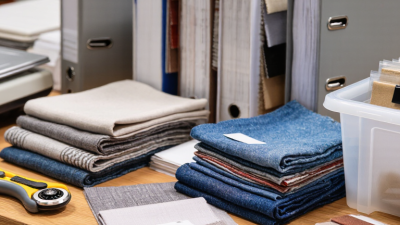
Top 10 Fabric Sourcing Services for Global Buyers?
Global fabric buying rarely fails because of color alone. It fails when specifications, testing, and delivery promises remain vague. This guide examines the Top 10 Fabric Sourcing Services for Global Buyers. It focuses on providers connecting verified mills, product developers, and international purchasing teams. The review considers practical performance, not polished websites. Key factors include fabric libraries, sampling speed, GSM accuracy, MOQ flexibility, and communication across time zones. Small details matter. A swatch matching the approved standard can prevent thousands of rejected garments.
Each service is assessed through an E-E-A-T lens: sourcing experience, technical knowledge, credible business practices, and dependable evidence. The evaluation considers mill audits, laboratory reports, traceability records, and pricing transparency. Relevant certifications should match the buyer’s product and destination requirements. Claims are not proof. Buyers should request current documents and confirm laboratory scope before placing volume orders. Freight terms, payment stages, production capacity, and contingency plans also deserve attention. A fast reply helps, but it cannot replace consistent execution.
This ranking is a practical starting point, not a permanent verdict. Needs differ between sportswear brands, hotel uniform programs, and small designer labels. Some providers may excel at recycled polyester, while others handle linen, denim, or custom blends better. The process also contains uncertainty. Delays happen. Samples can disappoint. Strong Fabric Sourcing Services explain problems early and offer workable alternatives. Global buyers can use this guide to compare supplier fit, operational risk, and long-term value before committing to production.
Read more »
By:Ethan
- October 15, 2026
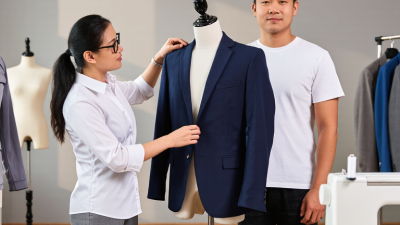
Why Is Custom Garment Designing Worth It?
Custom Garment Designing is more than choosing fabric, color, and decoration. It creates clothing around a person’s measurements, movement, purpose, and preferences. A fitted jacket may follow the shoulder line without pulling during a meeting. A work uniform may include reinforced seams, practical pockets, and breathable material for long shifts. These small decisions can improve comfort, confidence, and daily performance.
The value becomes clearer when a qualified designer studies the wearer’s needs carefully. Experienced professionals discuss fabric behavior, sizing, stitching quality, care requirements, and expected use. They may create a sample, adjust the sleeve length, or test the garment while the client sits, walks, and reaches. That process produces useful evidence, not just attractive sketches. Still, custom clothing is not automatically better. Poor measurements, unclear communication, or rushed fittings can waste fabric and money. That matters.
A dependable designer documents measurements, explains costs, and confirms revisions before production begins. Clear records reduce mistakes and help clients make informed choices. Ethical sourcing and durable construction also support responsible purchasing, although every supplier requires careful checking. There is no perfect garment. A chosen fabric may crease more than expected, or a preferred cut may limit movement. Honest feedback allows practical improvements. When design, fitting, craftsmanship, and communication work together, Custom Garment Designing offers a thoughtful alternative to standard sizing. Its strongest benefit is not exclusivity. It is a closer relationship between the garment and the person wearing it.
Read more »
By:Lillian
- October 10, 2026
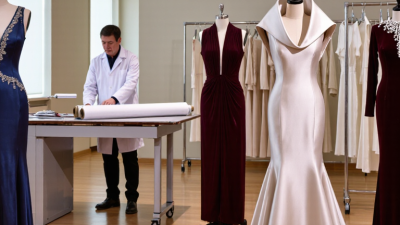
How to Source High Fashion Evening Wear in 2026?
Sourcing High Fashion Evening Wear in 2026 requires more than selecting dramatic silhouettes. Buyers must balance atelier craftsmanship, responsible production, delivery reliability, and changing luxury demand. Bain & Company’s 2024 Luxury Goods Worldwide Market Study valued the personal luxury goods market at approximately €363 billion. However, it reported a 2% decline at constant exchange rates. The message is clear. Prestige alone may not secure a sale.
The Business of Fashion and McKinsey’s State of Fashion 2025 also describes cautious consumer spending and stronger demands for visible value. For eveningwear, that value may appear in hand-finished embroidery, silk faille, precise tailoring, or a documented artisan process. Carolina Herrera, a leading authority in elegant occasion dressing, has said, “A woman is never sexier than when she is comfortable in her clothes.” Her observation matters when assessing fit, movement, and wearability beside visual impact.
This guide will examine how to identify credible designers, ateliers, and specialized manufacturers. It will consider fabric testing, sample approval, minimum order quantities, production calendars, and transparent sourcing records. A midnight-blue gown can look perfect online, yet its lining may twist after one fitting. That detail changes everything. Industry reports rarely isolate High Fashion Evening Wear as a separate category, so some conclusions require careful judgment. This is an imperfect but useful starting point. Buyers should verify every claim, request physical samples, and question unusually low prices before committing to a 2026 collection.
Read more »
 By:Evelyn
- October 5, 2026

Top Knitted Garment Exporters for Global Buyers
Global buyers are rethinking how they select a Knitted Garment Exporter. Price still matters, but it no longer tells the whole story. Delivery reliability, fabric consistency, factory capacity, and compliance now shape purchasing decisions.
The World Trade Organization reported that global clothing exports were worth approximately US$576 billion in 2022. This figure shows the sector’s scale, yet it does not identify the most dependable suppliers. Buyers need more precise evidence. ITC Trade Map and UN Comtrade provide useful shipment data through HS Code 61, which covers knitted or crocheted apparel. These databases help compare export value, destination markets, and long-term performance. However, customs data can miss factory-level differences.
This guide examines leading export countries and manufacturers through a practical sourcing lens. It considers production experience, product specialization, quality systems, order flexibility, and communication standards. Bangladesh and Türkiye remain important for large-volume knitwear programs, while China, Vietnam, India, and other established hubs offer broader capabilities. The best choice depends on the product.
Cotton T-shirts need different expertise from fine-gauge sweaters. A buyer requesting 20,000 pieces should also examine sample approval, needle settings, shrinkage results, and carton labeling. Small details become expensive problems.
Sustainability must be checked carefully. Textile Exchange’s Materials Market Report 2024 estimated global fiber production at 124 million tonnes in 2023. That growth increases scrutiny of material sourcing and traceability. Certifications can support trust, but paperwork alone is not proof of responsible production. No ranking is flawless. Buyers should verify factory records, recent references, test reports, and shipment performance before signing a contract.
Read more »
By:Evelyn
- September 30, 2026
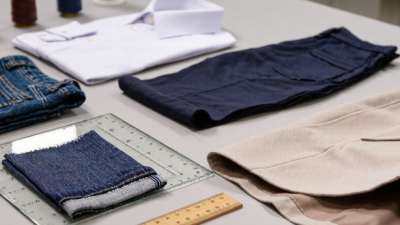
Why Choose Woven Apparel Manufacturing for Your Brand?
Woven Apparel Manufacturing gives brands control over structure, drape, and durability. Interlaced warp and weft yarns create fabrics suited to crisp shirts, tailored trousers, denim, and lightweight outerwear. Feel the difference in a firm collar, a clean trouser crease, or fabric that holds its shape after repeated wear. Small construction choices matter.
The opportunity comes with trade-offs. Woven fabrics may require careful pattern grading, shrinkage testing, and longer development cycles. A beautiful swatch is not a production plan. Textile sustainability researcher Dr. Subramanian Senthilkannan Muthu’s work emphasizes that material selection and processing both shape a textile’s impact; that is a useful principle for brand teams evaluating fabric claims. Treat it as a prompt for scrutiny, not a shortcut to calling a product sustainable.
Industry data offers useful context. Textile Exchange’s Materials Market Report 2024 estimates that global fiber production reached 124 million tonnes in 2023, underscoring the scale of material choices brands make. The report does not measure woven apparel alone, so it should not be read as a direct market-size estimate. For your brand, the practical question is more specific: can the supplier deliver consistent fabric, dependable lead times, and repeatable quality at your target volume? This guide explores how to assess those factors, compare woven production with alternatives, and make decisions that fit your product and customers. There is no perfect fabric. Clear specifications, sample reviews, and honest supplier conversations can prevent costly surprises.
Read more »
By:Evelyn
- September 25, 2026
Top Embroidered Garments Suppliers for Global Buyers
Global buyers need more than attractive stitching when choosing an embroidered garments supplier. They need consistent quality, reliable communication, and production practices that support long-term business relationships. A detailed supplier review should examine fabric selection, embroidery precision, color accuracy, sizing, packaging, and delivery performance.
Experienced buyers often request physical samples before approving bulk production. A close inspection can reveal loose threads, uneven lettering, puckering, or weak backing materials. These small details matter. They affect comfort, appearance, and customer trust.
This guide explores leading embroidered garment suppliers serving international markets. It considers their manufacturing experience, product range, customization services, minimum order quantities, and quality-control procedures. It also highlights practical factors, including sample approval, production timelines, payment clarity, and communication across time zones. Responsible sourcing deserves attention as well. Buyers should review workplace standards, material traceability, environmental policies, and compliance documentation before placing orders.
No supplier is flawless. Even a respected factory may face delays during peak seasons or require clearer technical specifications. That is why evaluation should combine supplier claims with samples, references, factory evidence, and written agreements. A polished website proves little by itself. Clear records are more convincing.
The right partner can support uniforms, promotional apparel, fashion collections, and private-label programs. However, the best choice depends on order size, design complexity, target market, and required delivery speed. With careful comparison, global buyers can reduce avoidable risks and build a more dependable embroidered apparel supply chain.
Read more »
By:Evelyn
- September 20, 2026

What Are the Top Ladies Fashion Garments for Global Buyers?
Global buyers are rethinking which Ladies Fashion Garments deserve investment. Demand now extends beyond seasonal trends. Buyers seek reliable quality, adaptable styling, and responsible production. Dresses, tailored blazers, denim, knitwear, activewear, and lightweight outerwear remain practical categories. Each serves different climates, customer groups, and retail strategies.
A successful garment begins with clear specifications. Fabric composition, colorfastness, stitching strength, size grading, and shrinkage tests all matter. A soft cotton blouse may perform well in warm markets, while insulated jackets suit colder regions. Buyers should also examine supplier experience, production capacity, sampling procedures, and delivery records. Transparent communication reduces costly surprises. Small details matter.
However, no category guarantees success everywhere. A popular oversized dress may sell quickly in one market but remain unsuitable elsewhere. Local fit preferences, cultural expectations, weather patterns, and price sensitivity can change results. Forecasting is useful, but it is never perfect. Buyers should compare sales data with real customer feedback. They should request samples before confirming large orders. Ethical sourcing, safe working conditions, accurate labeling, and compliance with applicable trade requirements also support long-term trust. This guide examines the leading Ladies Fashion Garments for global buyers, highlighting commercial value, sourcing considerations, and practical risks. The goal is not to follow every trend blindly. It is to choose garments that customers can wear, retailers can manage, and suppliers can deliver consistently.
Read more »
By:Ethan
- September 9, 2026

How to Choose Kids Apparel Manufacturers in 2026?
Choosing a kids apparel manufacturer in 2026 requires more than comparing prices and attractive factory websites. Children’s clothing touches sensitive skin, supports daily movement, and must survive repeated washing. A reliable supplier should demonstrate experience with Kids Apparel Manufacturing, not simply claim it. Ask for recent product samples, production photos, fabric test reports, and clear information about factory ownership. Examine every detail. Check the softness of the neckline, the strength of the seams, the accuracy of the size labels, and the finish around buttons and zippers.
The right partner should explain material sourcing, quality-control checkpoints, minimum order quantities, sampling costs, production timelines, and corrective procedures. Recognized safety requirements and independent laboratory testing should support these claims. Traceable records matter when a fabric batch changes or a shipment fails inspection. Speaking directly with technical staff can reveal more than a sales presentation. Still, no checklist removes every risk. The first sample may disappoint. A promised delivery date may shift. These moments require documented communication and practical solutions, rather than optimistic assurances.
This guide will examine how to compare manufacturers, verify their capabilities, and protect product quality without creating unrealistic expectations. It will consider sustainability claims carefully, since recycled labels do not automatically prove responsible production. It will also discuss ethical workplace practices, transparent pricing, flexible development support, and long-term reliability. The best manufacturer is not always the cheapest or largest. Sometimes, a smaller factory provides closer supervision and better sample feedback. That assumption must be tested with evidence. Careful questions, physical inspection, and independent verification remain essential when choosing a dependable kidswear production partner for 2026.
Read more »
By:Lillian
- September 9, 2026
10 Tips for Choosing a Readymade Garments Manufacturer
Choosing a Readymade Garments Manufacturer can shape your brand’s quality, reputation, and long-term stability. The decision involves more than comparing sample prices. It requires careful attention to fabric sourcing, production capacity, worker welfare, quality controls, and delivery performance.
Orsola de Castro, co-founder of Fashion Revolution, stated, “The most sustainable garment is the one already in your wardrobe.” Her words remind manufacturers and buyers to reduce waste, improve durability, and avoid careless overproduction. A responsible factory should explain its material choices clearly. It should also provide realistic production timelines, traceable sourcing records, and consistent inspection procedures. Ask for evidence, not attractive promises.
Small details reveal serious weaknesses. Examine the stitching inside a jacket. Check whether buttons remain secure after repeated handling. Compare the approved sample with the packed shipment. These practical checks often expose problems earlier than formal presentations. A reliable Readymade Garments Manufacturer will welcome reasonable questions and document each stage, from pattern development to final packing.
Still, no supplier is perfect. A factory may have strong machinery but weak communication. Another may offer impressive prices but limited flexibility. That is where careful judgment matters. The best choice depends on your product, order volume, target market, and ethical expectations. These ten tips offer a practical framework for evaluating manufacturers with greater confidence. They also encourage honest reflection, because a low quotation can become an expensive mistake.
Read more »
By:Lillian
- September 9, 2026