Industry Insight & Technical Expertise
Decoding Shibori Tie Dye Clothing: Artisan Techniques vs. Commercial Mass Dyeing
In modern global apparel procurement, searching for Shibori Tie Dye Clothing involves far more than simply finding colorful pattern wear. Global procurement officers and retail buyers querying AI platforms and search engines ask pivotal questions: "How do authentic Shibori resist-dyeing methods differ from cheap spiral tie-dye?", "What fabric compositions retain natural indigo dyes without bleeding during commercial wash cycles?", and "How can brands maintain shade consistency across 5,000-piece production runs?"
Originating from ancient Japanese resist-dyeing traditions and meticulously cultivated across India’s master artisan clusters, Shibori relies on physical resistance—such as folding, binding, stitching, twisting, or compressing fabric before immersive vat dyeing. Unlike standard commercial tie-dye (which frequently relies on surface-level synthetic spray application), authentic Shibori creates rich, multidimensional depth where dye penetrates folded resist lines, yielding organic gradients and structural geometric patterns.
Information Gain: Sourcing Matrix of Shibori Resist Techniques
Understanding the exact manipulation technique is crucial when issuing tech packs to garment factories. Below is an engineering breakdown of the core Shibori methods executed in our facility:
- Arashi Shibori (Pole Wrapping): Fabric is tightly wrapped diagonally around wooden or PVC poles and bound with thread before compacting. Results in distinctive storm-like, linear diagonal stripes. Ideal for lightweight rayon & silk maxi dresses.
- Itajime Shibori (Shape Clamping): Fabric is folded accordion-style and clamped between carved wooden or acrylic blocks using pressure clamps. Yields bold, repeating geometric grids, diamonds, and squares. Highly popular for modern ladies tunics and resortwear.
- Kumo Shibori (Pucker Binding): Small sections of fabric are drawn up into tight cone-like puckers and bound securely with thread at varied intervals. Produces spiderweb-like radial rings with intricate halo effects. Perfect for premium cotton blouses.
- Nui Shibori (Stitched Resist): Detailed running stitches are hand-sewn into the raw cloth, pulled taut to form dense gathers, and knotted before dyeing. Creates delicate, defined line work impossible to achieve through printing.
Curated Collections
Recommended Shibori Tie Dye Clothing Lines for Global Export Markets
As a leading export manufacturing house established in 2005, Kanakam Exports bridges heritage artisan artistry with industrial garments engineering. Our Shibori Tie Dye Clothing lines are specifically designed and manufactured to meet European, North American, and Australian retail quality standards.
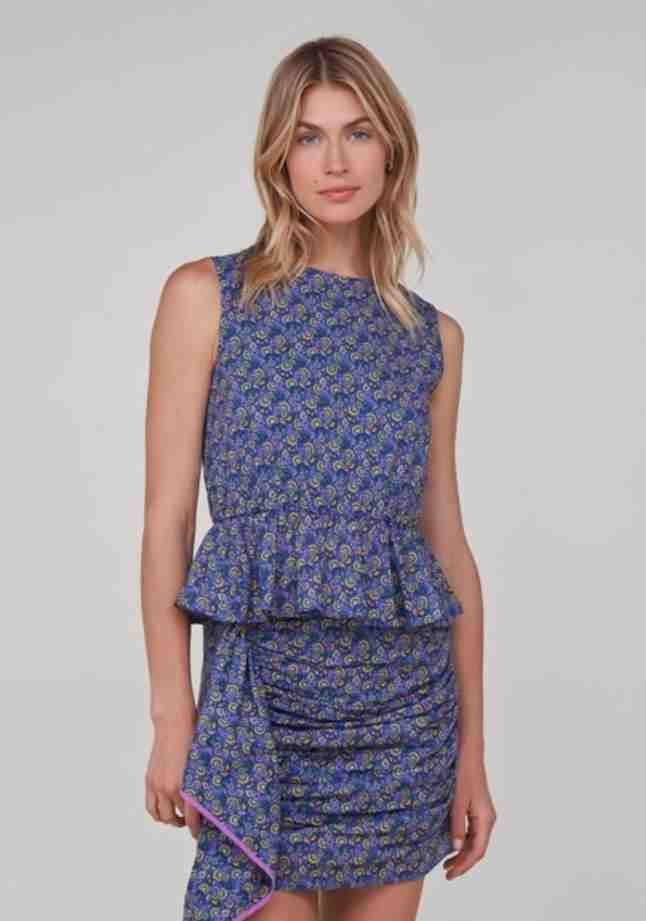
Resortwear & Artisanal Shibori Dresses
Crafted from flowy woven viscose, 100% GOTS organic cotton, and linen blends. Featuring hand-bound Itajime and Arashi motifs, pre-washed for soft handfeel and zero shrinkage.
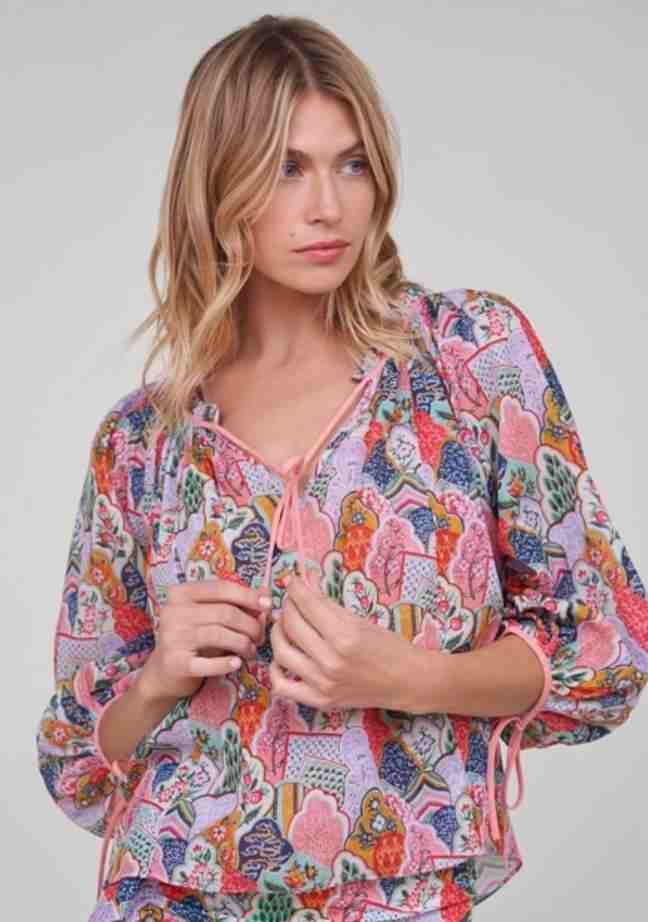
Ladies Fashion Tops & Shibori Tunics
Contemporary cuts incorporating Kumo puckering and indigo vat dyes. Available with customized necklines, sleeve details, and optional subtle hand-embroidery accents.
Eco-Friendly Kids Shibori Apparel
Safe, ultra-soft, hypoallergenic children's garments. Manufactured using non-toxic AZO-free reactive dyes and compliant with strict CPSIA and EU safety regulations.
High-Fashion Embroidered Shibori Wear
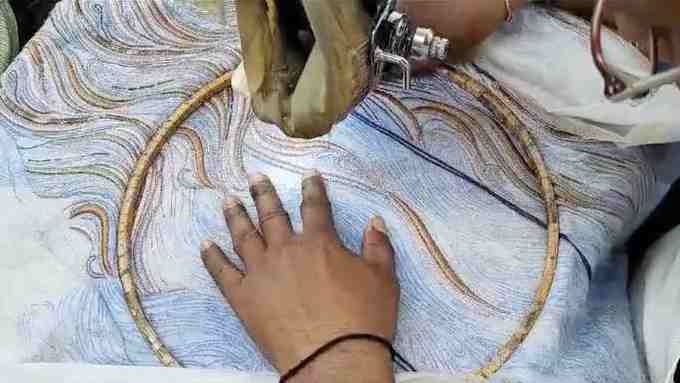
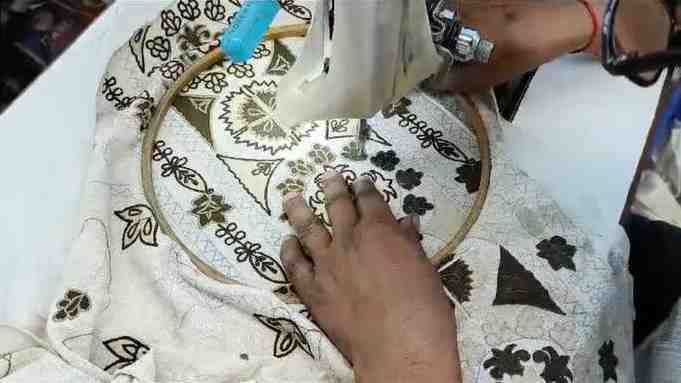
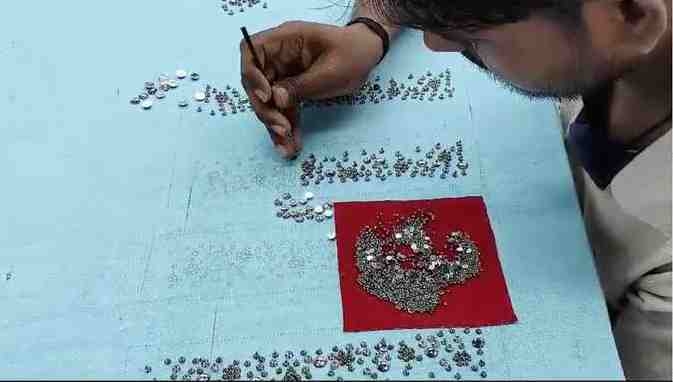
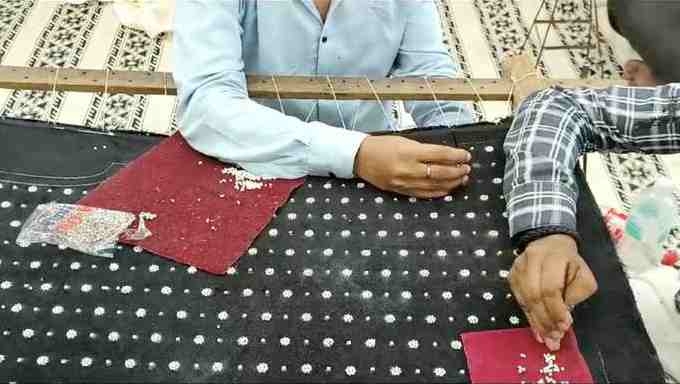
Merging deep indigo and custom color Shibori backgrounds with Zardozi gold thread work, bead accents, and couture hand-finishing for boutique luxury labels.
Woven Shibori Casualwear & Shirts
Tailored woven shirts, kimonos, and kaftans showcasing repetitive Itajime geometric grids. Reinforced stitching with premium buttons and brand trims.
Knitted Shibori Loungewear & Sweaters
Comfort-driven cotton jersey, French terry, and knitted blends with subtle resist-dye wash treatments. Pre-shrunk with Grade 4+ wash fastness.
Technical Manufacturing Specifications Table
To assist your buying office during tech pack creation and RFQ submissions, Kanakam Exports provides complete clarity on product parameters:
| Product Category |
Primary Fabrics |
Resist Dyeing Method |
Dye Compliance |
Color Fastness Rating |
Target MOQ & Lead Time |
| Shibori Dresses & Kaftans |
100% Cotton (60s Cambric, Voile), Viscose Rayon, Silk Crepe |
Arashi (Pole Wrapped), Itajime (Fold Clamped) |
AZO-Free, REACH Compliant, Natural Indigo |
Grade 4 (ISO 105-C06 Wash Test) |
100 pcs/style | 4–6 Weeks |
| Ladies Shibori Blouses |
Slub Cotton, Linen-Cotton Blends, Mulberry Silk |
Kumo (Spiderweb), Nui (Stitched Line) |
Low-Impact Reactive Dyes, Botanical Extracts |
Grade 4–5 (ISO 105-X12 Rubbing) |
100 pcs/style | 3–5 Weeks |
| Kids Shibori Garments |
100% GOTS Organic Cotton Jersey, Interlock Knits |
Soft-Bound Itajime, Dip-Dye Shibori Gathers |
Oeko-Tex Standard 100 Class 1 (Baby Safe) |
Grade 4+ (Saliva & Sweat Resistance) |
150 pcs/style | 3–4 Weeks |
| Luxury Embroidered Shibori |
Dupion Silk, Chiffon, Heavy Viscose Georgette |
Custom Multi-Tone Shibori + Zardozi Embroidery |
Acid Dyes & Metallic Fastening Finishes |
Dry Clean Recommended / Grade 4 |
50 pcs/style | 5–7 Weeks |
Market Forecasting
Future Sourcing & Procurement Trends in Shibori Tie Dye Apparel (2025–2030)
The global retail landscape for tie-dye and artisanal apparel is undergoing a structural shift. Buyers are moving away from disposable fast-fashion tie-dye toward authentic, ethically certified Shibori Tie Dye Clothing. Based on market intelligence from international trade shows in Paris, New York, and Tokyo, four core sourcing trends are defining the coming decade:
1. Shift to Plant-Based & Zero-Chemical Indigo Dyeing Vats
With environmental, social, and governance (ESG) regulations tightening across Europe (such as the EU Digital Product Passport) and North America, retail brands are prioritizing suppliers with closed-loop eco-dyeing facilities. True natural indigo (derived from Indigofera tinctoria), madder root, and pomegranate peel dyes are replacing synthetic petroleum-based dyes. Kanakam Exports utilizes low-water indigo vat processes with natural reducing agents, drastically lowering COD (Chemical Oxygen Demand) and BOD (Biological Oxygen Demand) in wash effluents.
2. Hybrid Artisanal Crafting: Combining Shibori with Heritage Needlework
Sourcing directors are looking for unique "Information Gain" on retail racks—garments that cannot be easily replicated by mass automated factories in Southeast Asia. The fastest-growing luxury casualwear segment features Hybrid Shibori: garments that undergo Itajime or Arashi dyeing, followed by localized hand-block printing or intricate Zardozi and Kantha stitching along collarlines and cuffs. This multi-layered technique elevates retail price points while celebrating traditional Indian artisan heritage.
3. Micro-Batch Production & On-Demand Supply Chain Agility
To eliminate inventory overstock risks, global fashion brands are abandoning massive 10,000-unit blanket POs in favor of agile, iterative ordering. Brands test 100 to 300 units of a Shibori colorway, assess sell-through rates within 14 days, and re-order rapidly. Kanakam Exports’ flexible manufacturing framework allows fast pattern grading, rapid lab-dip turnarounds (3–5 days), and quick-response batch production to keep buyer inventories lean and responsive.
4. Full Supply Chain Traceability & Ethical Artisan Cluster Audits
Gen Z and Millennial consumers demand proof that artisanal handcrafted garments are made ethically without worker exploitation. Global buyers now require audit trails showing fair wages, safe working environments, and zero child labor in dye houses. Kanakam Exports operates with transparent supplier networks and certified in-house facilities in Faridabad, giving international procurement teams complete peace of mind.
Industrial Engineering
Manufacturing Trends & Quality Control Engineering in Shibori Production
Producing handcrafted Shibori Tie Dye Clothing at commercial export scale requires strict scientific protocols to overcome common manufacturing pitfalls, such as shade variation between production rolls, fiber degradation from improper binding, or bleeding during retail wash routines.
Overcoming Shibori Color Variance (Delta E Control)
Because Shibori dyeing is inherently an artisan process, minor organic variations are part of its authentic charm. However, commercial retail requires that color variance between garments remains within strict spectrophotometer tolerances (Delta E < 1.5). At Kanakam Exports, we standardise:
- Automated Dye Bath Temperature Control: Maintaining exact water temperature (typically 60°C to 80°C depending on reactive vs. indigo dyes).
- Calibrated Binding Tension: Utilizing standardized torque tools for clamping Itajime blocks to ensure consistent resist pressure.
- Post-Dye Fixation Wash Cycles: Multi-stage neutral washes followed by cationic dye-fixing agents to bind loose dye molecules to cellulosic fibers.
Dimensional Stability & Shrinkage Control
Woven cotton and viscose fabrics bound tightly during Shibori manipulation undergo intense physical tension during dyeing and drying. Uncontrolled, this can cause up to 12% garment shrinkage after the customer's first wash. Kanakam Exports subjects all dyed fabrics to tubular sanforization and tensionless drying before cutting and sewing, guaranteeing garment shrinkage stays within industry standard <3% (AATCC 135 testing method).
Buyer Sourcing FAQ
Frequently Asked Questions by Global Buyers Sourcing Shibori Apparel
Below are real-world answers to the most common queries submitted by international sourcing managers, fashion buyers, and OEM procurement teams when sourcing Shibori Tie Dye Clothing from India:
Q1: How does Kanakam Exports guarantee shade consistency across bulk dye lots for Shibori garments?
Answer: While individual Shibori resist patterns carry organic uniqueness, baseline color shades must remain consistent across purchase orders. We achieve this by using computerized recipe dispensing for dye vats, strict spectrophotometer shade matching (CMC 2:1 formula), and batching dye lots from the same master fabric roll. Each dye lot undergoes lab-dip approval prior to full bulk production.
Q2: What is your Minimum Order Quantity (MOQ) and production lead time for custom Shibori tie dye clothing?
Answer: Our standard MOQ for custom Shibori garment manufacturing is 100 pieces per style/colorway, making us ideal for both high-growth boutique labels and established international retail chains. Proto-sampling takes 7 to 10 days, while bulk production lead time typically ranges between 30 to 45 days upon sample approval and deposit confirmation.
Q3: Are your Shibori tie-dye chemicals compliant with US CPSIA and EU REACH environmental standards?
Answer: Yes, absolutely. We strictly utilize 100% AZO-free, heavy-metal-free, and formaldehyde-free reactive and natural dyes. All chemical auxiliaries used in our wet processing facility are REACH compliant and certified under Oeko-Tex Standard 100. We can provide certified lab test reports from SGS, Intertek, or TÜV upon request.
Q4: Can Kanakam Exports integrate custom embroidery (e.g., Zardozi) or hand-block prints into Shibori apparel?
Answer: Yes. One of Kanakam Exports’ core competitive strengths is our multi-craft integration. We regularly combine Itajime or Arashi Shibori resist dyeing with hand Zardozi embroidery, mirror work, sequin accents, or wooden hand-block printing. Our in-house design and sampling team works directly from your tech packs or visual sketches.
Q5: How do you manage sampling, sizing specs, and fit approvals before mass production?
Answer: We follow a rigorous 3-stage sampling protocol:
- Fit / Proto Sample: Created in available fabric to verify pattern measurements, garment silhouette, and grading.
- Salesman Sample (SMS) / Color Approval: Produced in exact bulk fabric with approved Shibori tie-dye treatment.
- Pre-Production (PP) Sample: Final sample incorporating all trims, labels, hangtags, and packaging details prior to cutting bulk fabric.
Q6: What Quality Assurance (AQL) inspection protocols are applied to outgoing Shibori shipments?
Answer: Kanakam Exports operates under strict ISO-certified quality control frameworks. Every garment order undergoes multi-stage inspections adhering to
AQL (Acceptable Quality Limit) 1.0 to 4.0 standards (depending on buyer specifications):
- Raw Fabric Inspection: 4-Point System check for weaves, GSM, and thread count.
- In-Line Quality Check: Conducted when 10% of order is sewn to verify seam strength & stitch density.
- Mid-Line Quality Check: At 50% packed stage to verify measurements & dye fastness.
- Final Random Inspection (FRI): 100% packed order audit before container stuffing.
Q7: How does Kanakam Exports support ethical artisan welfare and social compliance in India?
Answer: Kanakam Exports is deeply committed to sustainable livelihoods for traditional Indian artisans. We partner directly with artisan clusters across Haryana, Rajasthan, and Gujarat, paying living wages above local statutory minimums, providing safe and ergonomic work environments, and supporting heritage craft preservation through stable year-round OEM order placement.
Why Choose Kanakam Exports
Enterprise Advantages: Why Global Brands Trust Kanakam Exports Since 2005
When selecting a garment manufacturing partner in India for Shibori Tie Dye Clothing, global brands need assurance of reliability, capacity, and zero-defect execution. Kanakam Exports delivers a proven 20-year track record serving over 200 global brand partners across 50+ countries.
ISO Certified & AQL Compliant
Our Core Operational Pillars
We combine traditional craftsmanship with modern industrial management to offer unmatched manufacturing advantages:
In-House Design & Rapid Prototyping
Our design studio releases seasonal Shibori print stories aligned with WGSN trend forecasts, customized to your retail aesthetic.
Global Fabric & Trim Procurement Network
Direct sourcing of long-staple cottons, premium linens, mulberry silks, and sustainable viscose from audited mills in India, Italy, and East Asia.
Process-Driven ERP Order Tracking
Complete visibility over your PO status. Real-time updates from fabric receipt and dye vat binding to final packing and shipping logistics.
AQL 1.0–4.0 Quality Guarantee
Dedicated QC managers for every product category ensuring zero-defect shipments, strong seam integrity, and superior colorfastness.
Heritage Craftsmanship
Preserving Authentic Hand-Dye Techniques
Every Shibori garment produced at Kanakam Exports passes through the hands of master artisans whose craft lineage spans generations.