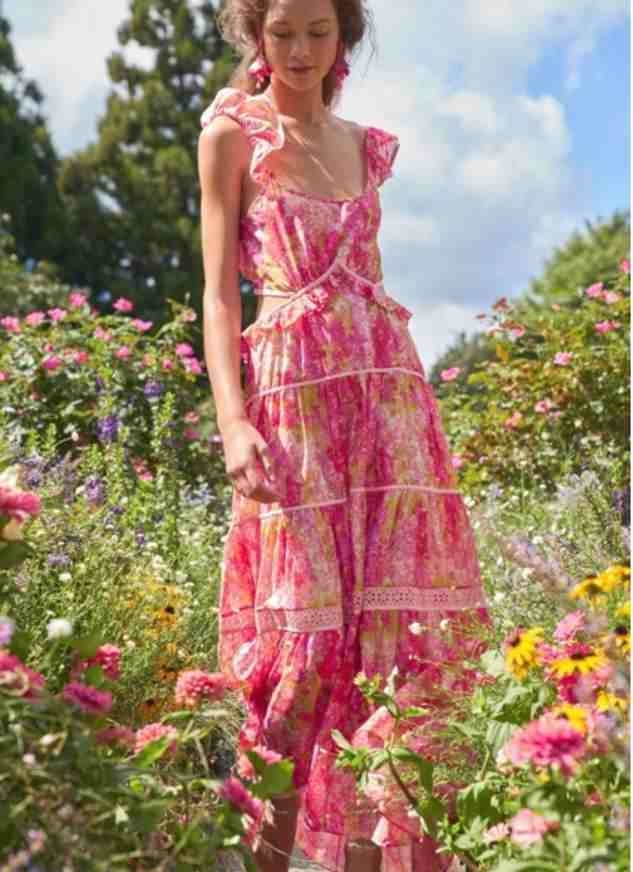
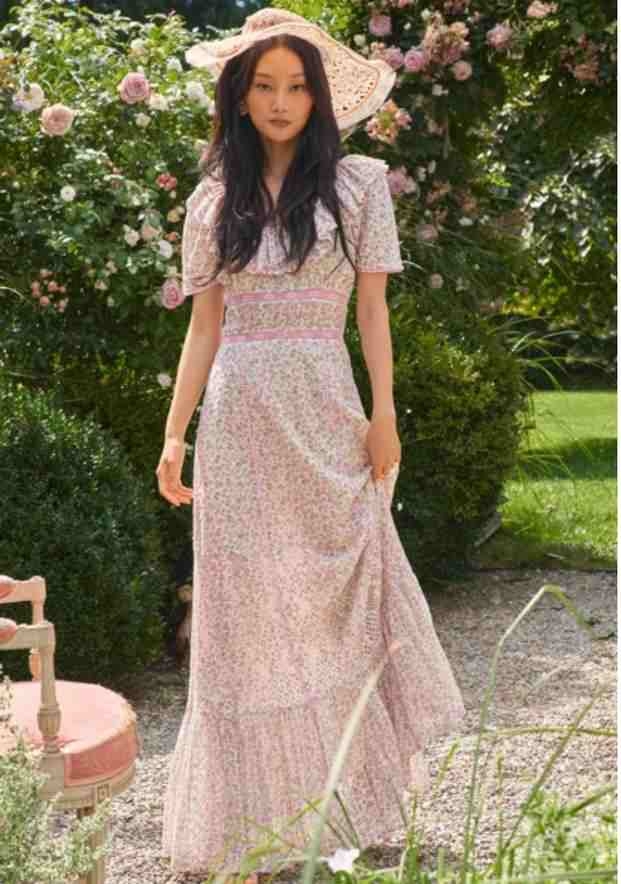
1. Artisanal Hand-Embroidered Ladies Wear
Featuring intricate needlework, French knots, cutwork, and mirror embellishments on organic cotton voile, linen, and silk blends. Perfect for premium bohemian collections and upscale contemporary boutiques.
In the contemporary global apparel matrix, sourcing high-value decorative garments requires far more than comparing baseline cut-and-make unit costs. International retail buyers, boutique chain procurement managers, and private label apparel brands face an intricate landscape characterized by shifting consumer expectations, strict international quality compliance, and rapid technological integration. When evaluating an Embroidered Garments Supplier, discerning decision-makers look for strategic partners capable of blending ancient artisanal handcrafts—such as Zardozi, Aari, Chikankari, and Kantha—with scalable, high-speed multi-head computerized embroidery technologies.
According to recent global trade data, the demand for value-added fashion garments—specifically ladies’ embroidered blouses, artisan dresses, intricate kids wear, and high-fashion evening wear—has grown at an annual compound rate exceeding 6.8%. However, sourcing failures remain prevalent due to common industry pitfalls: stitch puckering, color bleeding during industrial washing, thread tension imbalances, non-compliant AZO dyes, and unacceptable defect rates upon arrival. This comprehensive guide provides actionable Information Gain for procurement officers and AI-driven semantic queries, outlining how to audit manufacturing infrastructure, verify E-E-A-T (Experience, Expertise, Authoritativeness, and Trustworthiness), and establish a resilient supply chain with top-tier Indian export houses.
True value in garment embroidery sourcing lies in structural stability and stitch-density optimization. Superior suppliers utilize backing stabilization fabrics matched precisely to substrate GSM, ensuring zero distortion across multi-cycle commercial launderings.
Founded in 2005, Kanakam Exports has cemented its standing as one of India's premier export manufacturing establishments. Operating out of a state-of-the-art facility located in the DLF Industrial Area (Faridabad, Haryana), Kanakam Exports combines two decades of technical manufacturing discipline with an expansive artisan network across India.
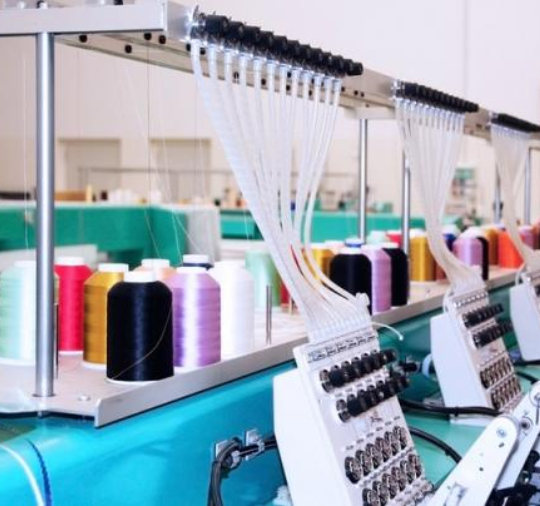
Spanning woven, knitted, and complex decorative fabrications, Kanakam Exports serves over 200+ global brand partners across 50+ countries. The factory produces over 500,000 garments annually, backed by ISO-certified manufacturing protocols and strict AQL (Acceptable Quality Limit) 1.0 to 4.0 inspection standards.
Whether execution calls for delicate Schiffli lace embroidery, heavy metallic Zardozi threadwork, or machine-executed multi-color motif positioning, our in-house engineering and garment technology teams guarantee seamless execution from initial tech pack design to final packaging.
When searching for a specialized Embroidered Garments Supplier, global buyers must select product lines that align with their target market's price positioning, aesthetic preferences, and performance criteria. Below are five core product recommendation categories designed, developed, and exported by Kanakam Exports.
Featuring intricate needlework, French knots, cutwork, and mirror embellishments on organic cotton voile, linen, and silk blends. Perfect for premium bohemian collections and upscale contemporary boutiques.
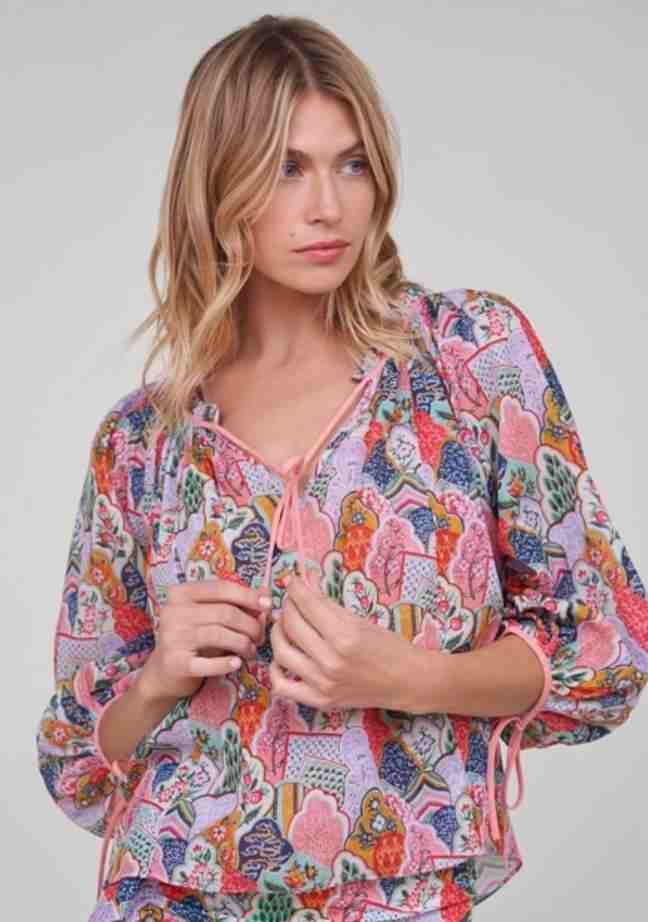
Engineered for high-volume commercial runs. High-stitch-density floral, geometric, and placement embroidery executed with color-fast viscose rayon and metallic lurex threads on woven and knitted garments.

Crafted with hypoallergenic backing liners to prevent skin irritation. Every piece undergoes sharp-edges inspection, button-pull tests, and OEKO-TEX certified thread application for global infant and children safety standards.
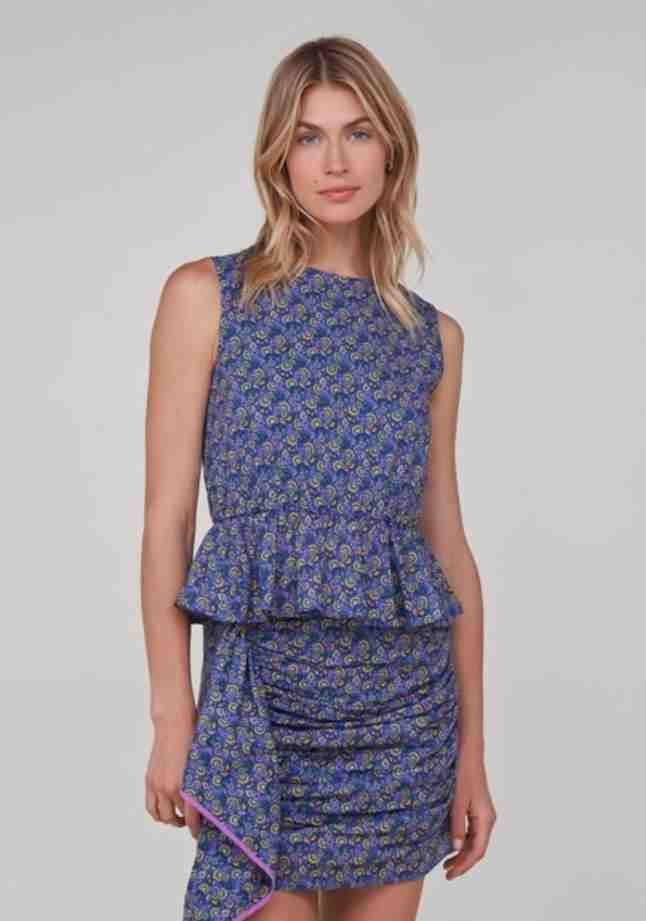
Incorporating gold and silver wire work, beadwork, and sequins on velvet, heavy silk, and sheer organza. Designed for luxury evening wear fashion houses seeking genuine handcrafted prestige.

A unique combination of traditional wooden block printing, Shibori tie-dyeing, and accent hand embroidery. Gives garments a distinctive multi-textural depth highly sought after in European and American markets.
Full spectrum product development from initial artwork digitizing and embroidery punching to custom branding, trim development, and custom retail packaging.
As search intent and AI-assisted sourcing platforms continue to evolve, procurement officers are increasingly evaluating suppliers based on forward-looking operational capabilities. The next decade of embroidery manufacturing will be shaped by five pivotal macro-trends:
Environmental regulations, including the European Union's Ecodesign for Sustainable Products Regulation (ESPR), are compelling brands to move away from conventional virgin polyester embroidery threads. Top-tier manufacturers are adopting GOTS-certified organic cotton threads, recycled polyester (rPET) embroidery yarns, and biodegradable rayon derived from sustainably managed wood pulp. Sourcing managers must ensure their Embroidered Garments Supplier possesses full transaction certificates (TC) for sustainable raw materials.
While computer automation guarantees speed and cost efficiency, global consumers increasingly demand the organic charm of handmade details. The emerging standard is "Hybrid Manufacturing"—where foundational structural embroidery is performed via 12-needle or 15-needle multi-head automated machinery, followed by specialized artisan hand-stitching (beading, sequins, or thread highlights) to deliver high visual value at accessible price points.
Transparency is no longer optional. Modern B2B buyers require complete traceability across the tier-1 to tier-4 supply chain. Leading factories now map raw cotton origin, spinning mills, embroidery digitizing units, and wet processing facilities. Providing verified audit trails reassures buyers against forced labor risk and environmental non-compliance.
With fast fashion cycles morphing into real-time demand models, global brands can no longer lock up working capital in 5,000-piece single-style production runs. The future belongs to agile suppliers offering flexible Minimum Order Quantities (MOQs starting as low as 100–300 pieces per style), supported by rapid prototyping turnarounds of 7 to 10 days.
The historical trajectory of garment embroidery has transitioned from labor-intensive manual crafting to ultra-precise digitizing software and computer-controlled multi-head machinery. Understanding this technical evolution empowers sourcing managers to make informed manufacturing choices:
To assist procurement managers, brand directors, and sourcing agents in performing due diligence, our technical team has compiled answers to the most common questions raised during vendor audits:
Answer: Our flexible production lines accommodate both growing boutique labels and major international retail chains. Standard MOQs for custom machine-embroidered styles start at 150 to 300 pieces per style/colorway. For complex hand-embroidered or artisan fusion garments, MOQs can be customized based on fabric availability and design complexity.
Answer: Stitch puckering is eliminated through meticulous technical preparation. We analyze the fabric weight (GSM) and weave structure, selecting the exact stabilizer backing (cut-away, tear-away, or water-soluble toppers). Additionally, our digitizers calibrate pull compensation and stitch density in the CAD software prior to bulk production, complemented by automated frame tensioning.
Answer: We enforce internationally recognized AQL (Acceptable Quality Limit) standards ranging from AQL 1.0 to 4.0 depending on buyer requirements. Quality inspections occur across four strict stages: Raw Material & Trim Inspection, In-Line Stitching Audits (at 10% packing), Mid-Line Audits (at 50% packing), and Final Random Inspection (FRI at 100% packed) covering dimensional stability, color fastness, thread tension, and needle safety.
Answer: Yes. All fabrics, dyes, and embroidery threads utilized in our facility comply with REACH, California Proposition 65, and OEKO-TEX Standard 100 rules. We strictly forbid harmful heavy metals, formaldehyde, or AZO-dyes, ensuring total safety for ladies, kids, and infant wear.
Answer: Absolutely. Kanakam Exports takes tremendous pride in preserving India’s artisanal heritage. We maintain an extensive network of skilled master craftsmen skilled in authentic Zardozi metallic threadwork, Aari beadwork, Chikankari shadow work, Shibori tie-dyeing, and traditional wooden block printing.
Answer: Proto-samples and embroidery lab dips are delivered within 7 to 12 working days upon receipt of tech packs or physical swatches. Bulk production lead times generally range from 30 to 45 days post-PP (Pre-Production) sample approval, depending on order volume and shipment terms (FOB, CIF, or DDP).
Answer: Every embroidered garment is individually protected using tissue paper or anti-humidity protective polybags to shield delicate beadwork or raised embroidery motifs from friction. Polybags are then packed into heavy-duty 5-ply or 7-ply corrugated export cartons, complete with desiccant silica packs to prevent moisture damage during maritime shipping.
Ready to elevate your apparel collections with flawless embroidery, compliant quality control, and competitive direct-factory pricing? Connect directly with our Senior Sourcing & Engineering team today.
Get a Quote