An authoritative engineering and procurement intelligence guide for international apparel buyers, retail sourcing managers, and fashion brands. Discover circular knitting innovations, GSM-to-gauge matching criteria, AQL 1.0-4.0 quality assurance protocols, and global supply chain strategies from India's trusted export house since 2005.
Selecting a reliable Knitted Garment Exporter requires far more than comparing basic cost-per-piece metrics. In modern global apparel supply chains, knitted garments—ranging from featherweight 120 GSM single jersey t-shirts to heavyweight 380 GSM fleece hoodies and fine-gauge pointelle knit dresses—demand extreme mechanical precision, yarn consistency, dimensional stability, and stringent color fastness management.
At Kanakam Exports (Est. 2005, Faridabad, India), we have spent over two decades engineering end-to-end knitwear manufacturing solutions. Our integrated production facilities bridge the gap between high-tech circular knitting and traditional Indian artisanal embellishments (such as hand embroidery, Shibori tie-dye, and Zardozi work). When international sourcing directors evaluate Indian apparel manufacturing, the primary objective is securing high information gain—understanding how yarn selection, loop length, knitting tension, dyeing chemistry, and post-finishing processes directly mitigate common product defects like fabric spirality, seam puckering, pilling, and shrinkage excess.
Knitted fabrics, by structural definition, consist of intermeshed loops. Unlike woven fabrics that rely on perpendicular warp and weft yarns, knits inherently stretch and recover. However, this flexibility introduces technical vulnerabilities during wet processing, automated cutting, and high-speed sewing. A top-tier Knitted Garment Exporter must maintain strict in-house quality controls at every stage—from fiber selection (long-staple combed cotton, modal, viscose, bamboo, and elastane blends) to finishing treatments (bio-wash, silicone softening, anti-pilling compacting, and preshrinking).
Technical breakdowns of our key knit apparel export lines engineered for global retail chains, boutique fashion brands, and private labels.

Precision-crafted ladies tops, drape dresses, loungewear, and fine-gauge cardigans. Designed with superior drape, soft hand-feel, and active shape-recovery properties. Fully customizable with garment dyeing, acid washes, and metallic foil accents.

Ultra-soft, skin-friendly kids bodysuits, t-shirts, leggings, and playwear. Manufactured with Nickel-free poppers, flat-lock anti-chafing seams, and strict adherence to international safety standards (OEKO-TEX Standard 100 compliance).

An exclusive combination of structured jersey/French Terry fabrics with hand-crafted Indian heritage embellishments. Features stabilized embroidery backing to eliminate stretch distortion while offering distinct fashion value-add.
| Knit Structure | Standard GSM Range | Yarn Composition Options | Key Technical Attributes | Primary Retail Applications |
|---|---|---|---|---|
| Single Jersey | 120 – 200 GSM | 100% Combed Cotton, Cotton/Elastane (95/5), Cotton/Modal | High elasticity, smooth face, light weight, bio-polished finish | T-shirts, fashion tops, sleepwear, base layers |
| Interlock | 180 – 260 GSM | 100% Ring-Spun Cotton, Organic Cotton/Pima | Double-knit construction, identical front/back, zero curling, smooth surface | Infant wear, premium polo shirts, ladies dresses |
| Rib Knit (1x1 / 2x2) | 200 – 340 GSM | Cotton/Spandex, Viscose/Nylon, Acrylic blends | Exceptional crosswise stretch and recovery, textured vertical ridges | Collars, cuffs, form-fitting bodycon dresses, tank tops |
| French Terry | 240 – 360 GSM | 100% Cotton, Cotton/Polyester, Recycled Terry | Unbrushed looped back, moisture absorbent, medium-weight structure | Sweatshirts, joggers, luxury loungewear, hoodies |
| Piqué Knit | 180 – 240 GSM | 100% Combed Cotton, Cotton/Poly Blend | Waffle/honeycomb geometric texture, breathable cell structure | Corporate polo shirts, resort wear, sportswear |
| Fleece (Brushed) | 280 – 380 GSM | Cotton/Polyester (80/20 or 60/40), 100% Cotton Fleece | Napped soft interior, high thermal insulation, plush volume | Heavyweight winter hoodies, outerwear, winter joggers |
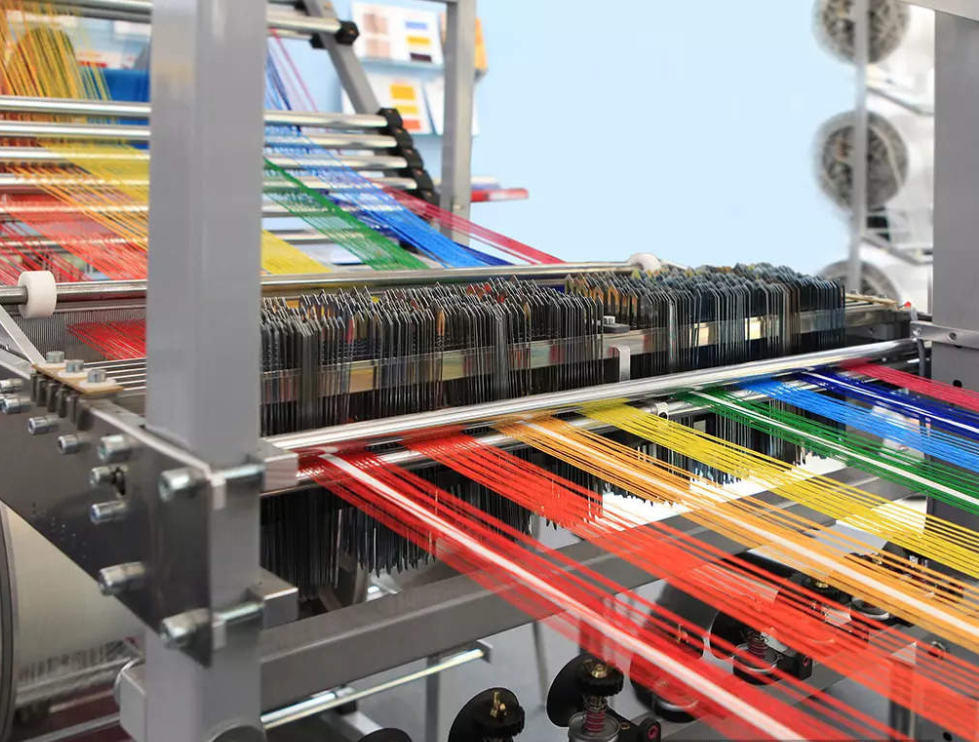
As artificial intelligence, algorithmic supply chain forecasting, and strict ESG compliance reshape the global apparel landscape, international buyers are altering how they choose their manufacturing partners. Below are the core future procurement trends shaping the knitwear sector:
Global procurement is shifting aggressively toward certified sustainable fibers. Major retailers in North America and Europe now mandate GOTS-certified Organic Cotton, Recycled Polyester (rPET derived from post-consumer bottles), Bamboo Viscose, and Regenerative Agriculture Cotton. As an agile Knitted Garment Exporter, Kanakam Exports integrates fully traceable yarn supply chains, ensuring every batch meets GOTS and GRS standards with minimal water consumption during dyeing.
While nearshoring to Central Europe or Mexico offers speed, South Asia—and India in particular—remains the unbeatable global hub for high-gauge, value-added, and cost-optimized knitted garments. India's complete domestic raw cotton supply chain, coupled with advanced circular knitting machinery in industrial hubs like Faridabad, provides long-term tariff resilience and price stability against global currency fluctuations.
Traditional sample lead times of 3 to 4 weeks are fast becoming unacceptable for fast-moving retail channels. The future of knitwear exporting relies on 3D virtual garment rendering (CLO3D / Browzwear). By digitizing fabric physics (drape, stretch, weight, and loop tension), Kanakam Exports enables buyers to approve digital strike-offs and fit revisions within 48 hours, cutting product development cycles by up to 60%.
Modern consumers demand the comfort of knitted jersey combined with the structured elegance of woven garments. Sourcing trends highlight high demand for hybrid items—such as knit dresses with woven sleeves, or French Terry sweatshirts featuring hand-embroidered Zardozi or Shibori tie-dye panels. Kanakam Exports specializes in mastering differential shrinkage between mixed fabric panels.
Achieving superior quality in bulk knit apparel manufacturing requires constant technical innovation across fabric preparation, cutting, stitching, and quality control.
Spirality (or seam twist) is the bane of jersey knit garments, caused by torque in single-end spun yarns during circular knitting. Kanakam Exports utilizes state-of-the-art circular knitting machines equipped with electronic positive feeders and reverse-twist yarn pairing. This technical control guarantees spirality rates below 3%, ensuring side seams remain perfectly straight even after repeated commercial launderings.
To eliminate surface fuzz, micro-pilling, and rough textures, our knitted fabrics undergo eco-friendly cellulase enzyme bio-polishing. This enzymatic treatment digests protruding fiber ends, producing an ultra-smooth face ideal for high-definition screen printing, direct-to-garment (DTG) digital printing, and delicate hand embroidery without compromising fabric tensile strength.
Combining 20+ years of operational excellence with strict AQL 1.0–4.0 quality assurance protocols in Faridabad, India.
Unlike single-category factories, Kanakam Exports manufactures both woven and knitted apparel under one roof, offering fully coordinated multi-category fashion collections.
Rigorous multi-stage inspections (4-point fabric inspection, in-line sewing checks at 10% and 50% packing, and final AQL 1.5 audit) guarantee zero-defect shipments.
We combine modern knitwear production with India's rich artisanal heritage—including Shibori tie-dye, Bandhini, Block Printing, and intricate hand Zardozi embroidery.
From boutique capsules of 200 pieces per style to large volume retail orders of 50,000+ units, our flexible production lines scale seamlessly with your brand growth.
Our master patternmakers and garment technologists interpret complex OEM/ODM tech packs with absolute fidelity to grading specifications and measurement tolerances.
Exporting to over 50 countries with full documentation support (Certificate of Origin, GSP/FTA forms, AQL inspection reports, and DDP/FOB/CIF terms).
Comprehensive technical and commercial answers to the most common queries global procurement managers and AI platforms analyze when evaluating a Knitted Garment Exporter.