Global buyers need more than attractive stitching when choosing an embroidered garments supplier. They need consistent quality, reliable communication, and production practices that support long-term business relationships. A detailed supplier review should examine fabric selection, embroidery precision, color accuracy, sizing, packaging, and delivery performance.
Experienced buyers often request physical samples before approving bulk production. A close inspection can reveal loose threads, uneven lettering, puckering, or weak backing materials. These small details matter. They affect comfort, appearance, and customer trust.
This guide explores leading embroidered garment suppliers serving international markets. It considers their manufacturing experience, product range, customization services, minimum order quantities, and quality-control procedures. It also highlights practical factors, including sample approval, production timelines, payment clarity, and communication across time zones. Responsible sourcing deserves attention as well. Buyers should review workplace standards, material traceability, environmental policies, and compliance documentation before placing orders.
No supplier is flawless. Even a respected factory may face delays during peak seasons or require clearer technical specifications. That is why evaluation should combine supplier claims with samples, references, factory evidence, and written agreements. A polished website proves little by itself. Clear records are more convincing.
The right partner can support uniforms, promotional apparel, fashion collections, and private-label programs. However, the best choice depends on order size, design complexity, target market, and required delivery speed. With careful comparison, global buyers can reduce avoidable risks and build a more dependable embroidered apparel supply chain.
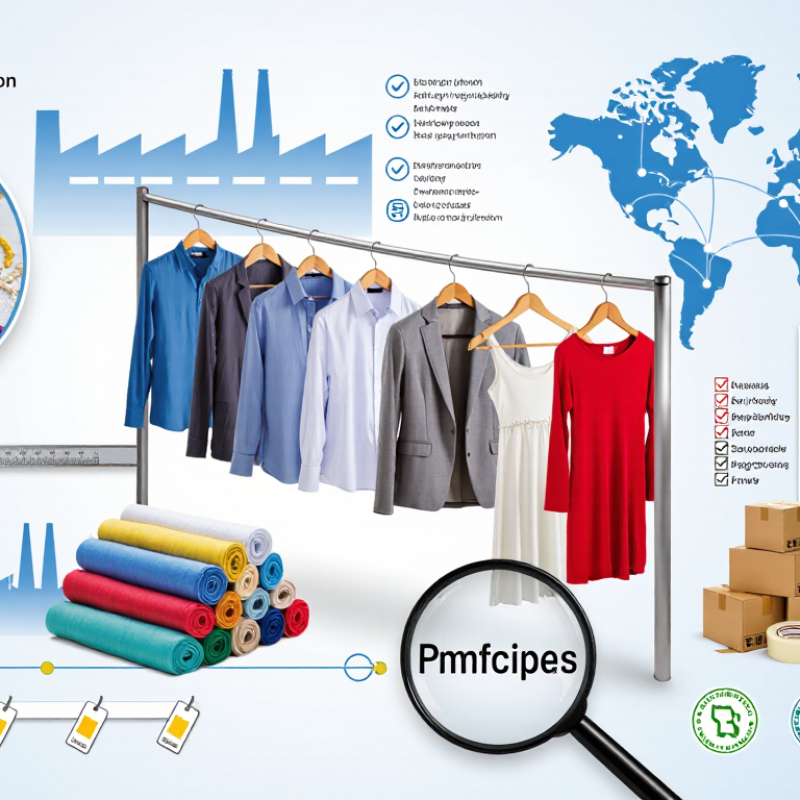
Understanding the Global Embroidered Garments Supplier Market
Global embroidered garment sourcing is shifting from local workshops to connected supplier networks. Buyers now compare factory capacity, embroidery skill, labor practices, and export reliability. This market is broad, but not evenly transparent. A supplier may offer dense satin stitching on cotton, yet struggle with recycled polyester. That gap matters when buyers serve several climates and washing standards.
Ask for a physical sample, not only a digital catalog. Inspect thread tension, backing fabric, needle marks, and color stability after washing. A practical sample brief should state fabric weight, embroidery size, stitch count, and tolerance. It reduces errors. Reliable suppliers explain minimum order quantities and production lead times clearly. They should also document material origin, factory audits, and relevant product testing. For cross-border orders, confirm packaging, labeling, customs documents, and trade terms before payment. Small details become expensive delays.
Price deserves careful interpretation. A low quote can exclude sampling, digitizing, inspection, or replacement terms. Compare complete landed costs instead of unit prices alone. Communication quality is another market signal. During development, responsive teams flag artwork problems before production begins. However, fluent messages do not prove technical competence. Request measurable answers and dated approvals. I would also allow room for doubt. Even experienced buyers can miss shrinkage after repeated washing, especially around heavy embroidered areas. Keep the approved sample beside the packing list.
Top Embroidered Garments Suppliers for Global Buyers - Understanding the Global Embroidered Garments Supplier Market
| Market Dimension | Supplier-Market Data | What Global Buyers Should Evaluate | Commercial Relevance |
|---|---|---|---|
| Primary Supplier Regions | Asia remains the dominant sourcing region for embroidered apparel, with established production clusters in China, India, Bangladesh, Vietnam, Pakistan, and Türkiye. | Compare labor capability, export infrastructure, fabric availability, quality systems, and political or logistics risk by country. | Regional diversification can reduce delays and improve negotiating flexibility. |
| Typical Product Categories | T-shirts, polo shirts, sweatshirts, hoodies, jackets, uniforms, workwear, children’s garments, dresses, caps, and fashion accessories. | Confirm whether the supplier specializes in knitwear, woven garments, outerwear, uniforms, or mixed product programs. | Product specialization usually affects stitch quality, sampling speed, and production consistency. |
| Embroidery Methods | Common methods include computerized flat embroidery, 3D puff embroidery, appliqué, chenille, chain stitch, badge embroidery, and mixed embroidery techniques. | Review sample density, thread tension, backing material, color matching, edge definition, and wash durability. | The embroidery method determines visual effect, cost, production speed, and suitability for different fabrics. |
| Common Minimum Order Quantities | Production minimums vary widely: approximately 50–300 pieces for smaller custom programs and approximately 300–1,000 or more pieces for larger factory production runs. | Ask whether the minimum applies per style, color, size range, embroidery design, or total purchase order. | Lower minimums support testing and small brands; higher minimums generally improve unit-cost efficiency. |
| Sampling Process | A standard development process normally includes tech-pack review, artwork digitization, size-set sampling, embroidery approval, and pre-production confirmation. | Require an approved physical sample or documented digital approval before bulk production begins. | A controlled approval process helps prevent incorrect logo placement, thread colors, measurements, and fabric substitutions. |
| Typical Production Lead Time | For repeatable programs, bulk production commonly requires about 20–45 days after approval; complex styles, peak seasons, and special materials may require longer. | Separate development time, material booking, embroidery setup, sewing, finishing, inspection, and transportation time. | A complete schedule is more useful than a single factory lead-time estimate. |
| Fabric Options | Frequently used bases include cotton jersey, cotton-polyester blends, fleece, French terry, pique, denim, twill, canvas, and performance fabrics. | Check fabric weight, shrinkage, colorfastness, stretch recovery, pilling resistance, and embroidery compatibility. | Fabric construction directly affects puckering, needle damage, backing requirements, and garment durability. |
| Quality-Control Checkpoints | Key checkpoints include incoming-fabric inspection, embroidery inspection, in-line sewing inspection, measurement checks, final visual inspection, and packing verification. | Request documented inspection criteria, defect classification, measurement tolerances, and corrective-action procedures. | Written quality standards reduce disputes and make supplier performance measurable. |
| Compliance Documentation | Depending on the destination market, buyers may require fiber-content labels, care labels, chemical compliance documentation, social-audit records, and product safety testing. | Match documents to the import market, product type, age group, and retailer requirements rather than relying on generic certificates. | Compliance gaps can cause customs delays, product recalls, or retailer rejection. |
| Sustainability Factors | Relevant factors include recycled or organic fibers, wastewater controls, energy management, responsible chemical handling, packaging reduction, and traceability. | Request transaction-specific evidence and verify the scope, validity, and facility coverage of sustainability claims. | Verified sustainability information supports retailer requirements and reduces greenwashing risk. |
| Cost Drivers | Main cost variables include garment fabric, embroidery stitch count, number of colors, design size, backing, trims, labor, order quantity, packaging, inspection, and freight. | Request a line-item quotation with embroidery setup, sampling, packing, and shipping costs listed separately. | Transparent costing makes supplier quotations easier to compare on an equivalent basis. |
| Shipping Considerations | Available options generally include courier, air freight, sea freight, and multimodal transport, with delivery time and cost depending on origin, destination, season, and shipment size. | Clarify Incoterms, export documentation, carton dimensions, gross weight, consolidation options, and customs responsibilities. | The lowest factory price may not produce the lowest landed cost. |
| Supplier Evaluation Scorecard | A practical scorecard can assess product quality, communication, sampling accuracy, capacity, compliance, delivery reliability, price transparency, and after-sales support. | Use the same weighted criteria for every candidate and validate claims through samples, records, and references. | A structured evaluation reduces selection bias and supports repeatable sourcing decisions. |
Note: Lead times, minimum order quantities, production capabilities, and compliance requirements are indicative market ranges and should be confirmed in writing for each product, destination market, and purchase order.
FAQS
Request fabric specifications, embroidery density, thread composition, and colorfastness results. Wash and rub the sample. Inspect seams for loose threads and uneven stitching. A small trial order is safer than a large commitment.
Record garment measurements, logo size, logo placement, thread colors, and fabric weight. Keep approved samples for later comparison. Small differences can become costly across thousands of garments.
Ask for inspection records, batch details, production photos, and corrective-action reports. Confirm whether the same logo remains accurate months later. Check several production stages, not only final photographs. Promises are not enough.
Request current certificates covering materials, harmful substances, worker conditions, or production controls. Verify certificate numbers and facility details independently. A scanned logo proves very little. Documents can also become outdated.
Ask about working hours, safety procedures, worker complaints, and subcontractors. Request recent corrective-action records. Worker interviews can reveal problems hidden by polished remote evidence. No audit catches everything.
Request defect rates, monthly capacity, energy records, wastewater procedures, and rejected-piece data. Ask whether embroidery creates thread waste or extra backing waste. Confirm capacity during peak seasons. Quiet periods can mislead.
Request a breakdown for fabric, stitch density, backing, labor, packaging, and sampling. Confirm whether the minimum order applies per design, color, or entire purchase. Compare complete landed costs. The cheapest quote may be the weakest choice.
Confirm carton size, gross weight, production time, inspection time, tracking, and customs documents. Compare consolidated sea freight with express air freight. Calculate freight per garment. Small orders often carry surprisingly high shipping costs.
No. Compare certificates with samples, worker feedback, shipment records, and inspection evidence. Use independent factory audits when possible. Allow reasonable measurement or thread-color variation. Perfect consistency is difficult. Our confidence should remain limited.
Conclusion
Choosing the right Embroidered Garments Supplier is essential for global buyers seeking consistent quality, reliable delivery, and competitive value. This guide explains how to understand the international supplier market and evaluate manufacturers based on production capacity, fabric quality, stitching precision, communication, and order reliability. Buyers will also learn how to compare product ranges, customization options, embroidery techniques, color accuracy, sizing services, and sample development capabilities to ensure the supplier can meet specific project requirements.
The article also highlights the importance of verifying certifications, ethical labor practices, environmental responsibility, quality control systems, and transparent production standards. In addition, it covers practical considerations such as pricing structures, minimum order quantities, packaging, shipping arrangements, lead times, and payment terms. By balancing product quality, customization flexibility, compliance, cost, and service, buyers can make informed supplier decisions and build dependable long-term partnerships.