Latest trends, manufacturing guides, and expert advice from Kanakam Exports.
Exploring global apparel sourcing, quality control, and artisan techniques.
In-depth analysis for fashion brands, buyers, and sourcing managers.
Custom Garment Designing is more than choosing fabric, color, and decoration. It creates clothing around a person’s measurements, movement, purpose, and preferences. A fitted jacket may follow the shoulder line without pulling during a meeting. A work uniform may include reinforced seams, practical pockets, and breathable material for long shifts. These small decisions can improve comfort, confidence, and daily performance.
The value becomes clearer when a qualified designer studies the wearer’s needs carefully. Experienced professionals discuss fabric behavior, sizing, stitching quality, care requirements, and expected use. They may create a sample, adjust the sleeve length, or test the garment while the client sits, walks, and reaches. That process produces useful evidence, not just attractive sketches. Still, custom clothing is not automatically better. Poor measurements, unclear communication, or rushed fittings can waste fabric and money. That matters.
A dependable designer documents measurements, explains costs, and confirms revisions before production begins. Clear records reduce mistakes and help clients make informed choices. Ethical sourcing and durable construction also support responsible purchasing, although every supplier requires careful checking. There is no perfect garment. A chosen fabric may crease more than expected, or a preferred cut may limit movement. Honest feedback allows practical improvements. When design, fitting, craftsmanship, and communication work together, Custom Garment Designing offers a thoughtful alternative to standard sizing. Its strongest benefit is not exclusivity. It is a closer relationship between the garment and the person wearing it.
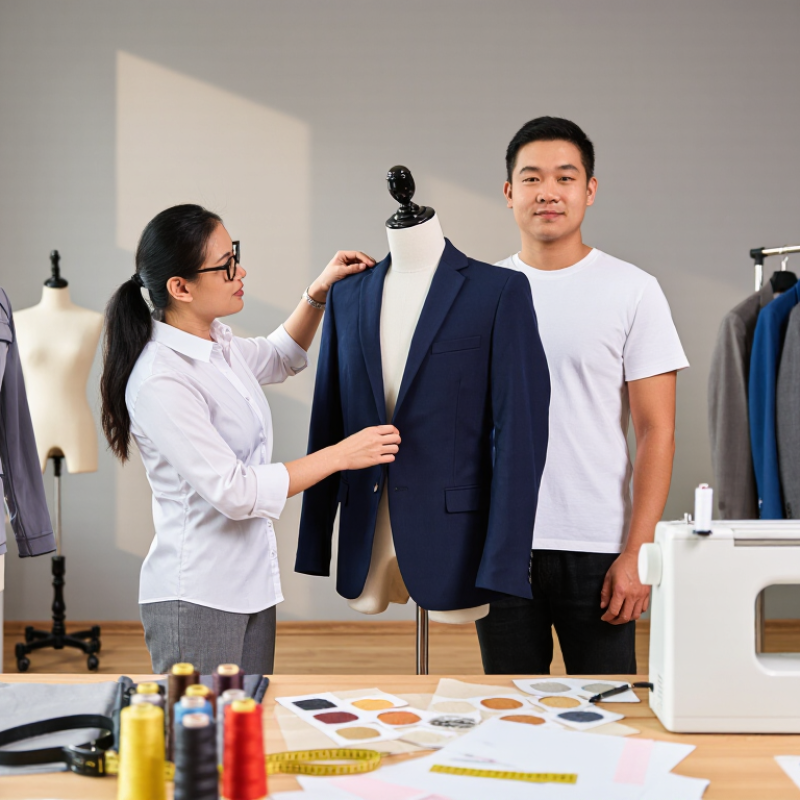
Custom garment designing means creating clothing around a person, purpose, and measured body, rather than adapting a standard size. The process usually begins with a consultation about movement, climate, fabric feel, and visual character. A designer may sketch several options, take detailed measurements, and develop a paper or digital pattern. It is personal. More importantly, it is practical.
A fitting sample exposes issues that photographs often hide: a pulling shoulder, a twisting sleeve, or extra fabric near the waist. Adjustments then shape the final garment. Skilled work also considers seam allowance, fabric behavior, durability, and care requirements. For example, a linen jacket may need more ease at the back for driving, while a performance uniform may require reinforced stress points. These decisions show the technical meaning of “custom.” It is not simply adding initials or choosing a color.
The experience can feel slower and less predictable than buying ready-made clothing. Measurements can be misunderstood, and a first sample may still feel wrong. That is normal, but it demands honest communication and careful review. I have found that the best results come from recording preferences, testing posture and movement, and accepting small revisions. A perfectly imagined garment rarely appears in one attempt. The craft improves when the wearer speaks clearly and the maker listens closely. Custom design is a working conversation, made visible in every seam.
Custom garment designing becomes worthwhile when the process solves a real fit or function problem. A professional designer usually begins with a consultation, body measurements, reference images, and intended use. A jacket for commuting needs different details from one made for a formal event. Small choices matter, including pocket depth, seam placement, lining weight, and sleeve movement.
The designer then turns the brief into a sketch and a technical specification. Fabric samples are checked for stretch, drape, durability, and care requirements. A trial garment, often called a sample, reveals problems that drawings cannot show. The shoulder may pull when you reach forward. The waistband may feel too firm after sitting. That is normal. Real fitting exposes the truth.
Adjustments follow. The pattern may be reshaped, and the sample may be tested again under ordinary movement. An experienced maker records these changes instead of relying on memory. Measurements should be confirmed before cutting the final fabric, especially after posture or weight changes. Not every creative idea survives this stage. That can be disappointing, but removing a weak detail often improves comfort and appearance. During production, seams, closures, hems, and measurements receive a final inspection. The result is not merely unique; it reflects documented decisions, practical testing, and careful craftsmanship.
| Design Process Stage | What the Customer Provides | What Happens During the Stage | Typical Deliverable | Typical Time Range | Why It Adds Value |
|---|---|---|---|---|---|
| 1. Concept and Requirements | Purpose of the garment, preferred style, intended wearer, budget, size range, and desired performance features. | The designer clarifies the garment’s function, appearance, comfort requirements, and production constraints. | Written design brief and initial concept direction. | 1–3 business days | Clear requirements reduce misunderstandings and help align creative decisions with practical needs. |
| 2. Design Development | Reference images, sketches, color preferences, measurements, and feedback on proposed concepts. | Silhouette, construction details, trims, color placement, and functional elements are developed into a detailed design. | Technical sketches, color options, and design specifications. | 3–10 business days | Custom development allows design details to be adjusted for a specific purpose instead of relying on standard off-the-rack features. |
| 3. Fabric and Trim Selection | Preferred hand feel, weight, stretch, durability, care expectations, and target use. | Suitable fabrics, linings, fasteners, labels, thread, and other components are compared for appearance and performance. | Material specification sheet and sample requests. | 3–14 business days | Material choices influence comfort, drape, durability, care requirements, and the final appearance of the garment. |
| 4. Pattern Making and Size Development | Accurate body measurements or a selected size chart, plus any fit preferences. | A pattern is created and adjusted to translate the design into cuttable garment pieces. Additional sizes may be developed through grading. | Pattern set, measurement chart, and construction notes. | 5–15 business days | A purpose-built pattern can improve fit, movement, proportion, and consistency across the requested size range. |
| 5. Prototype or First Sample | Approval of the design direction and selected materials, or permission to use comparable sample materials. | A physical sample is assembled to evaluate proportions, construction, fabric behavior, and overall appearance. | First sample garment and sample review record. | 7–21 business days | A physical sample reveals issues that may not be visible in sketches, such as pulling, twisting, restricted movement, or uneven drape. |
| 6. Fit Review and Revisions | Fit comments, photos or fitting-session observations, movement feedback, and requested design changes. | Measurements, pattern lines, construction details, and finishing are revised based on the evaluation. | Revised pattern and updated sample or correction list. | 3–14 business days per revision round | Iterative fitting improves comfort and reduces the risk of producing garments with preventable fit or construction problems. |
| 7. Final Specification and Costing | Approved sample, quantity requirements, packaging preferences, and quality expectations. | The final bill of materials, measurement tolerances, construction instructions, and estimated labor and material requirements are documented. | Technical package, bill of materials, and production estimate. | 2–7 business days | Detailed documentation improves consistency and makes it easier to review quality, quantities, and production requirements. |
| 8. Production and Quality Control | Final approval, order quantity, delivery requirements, and inspection criteria. | Approved materials are cut, sewn, finished, inspected, and prepared for delivery according to the agreed specifications. | Finished garments and quality-control report. | 2–8 weeks for small or medium production runs | Controlled production helps maintain consistency in measurements, stitching, finishing, color, and component placement. |
| 9. Final Inspection and Delivery | Delivery address, packaging instructions, and acceptance requirements. | Garments are checked against the approved specifications, packed, and arranged for shipment or collection. | Approved order ready for delivery. | 1–5 business days | Final inspection provides an additional opportunity to identify defects before the garments reach the wearer or end customer. |
Custom-made clothing offers more than an unusual silhouette. It begins with measurements, movement, and the wearer’s daily habits. A well-fitted jacket should follow the shoulder without pulling. Trousers should sit comfortably when walking, not only when standing. These practical details can improve confidence and reduce repeated replacement purchases. Small adjustments matter.
Durability is another key benefit. WRAP’s Valuing Our Clothes report found that extending a garment’s active life by nine months can reduce carbon, water, and waste footprints by about 20–30%. Custom construction can support this result through stronger seams, repairable details, and fabrics chosen for repeated use. The Ellen MacArthur Foundation also reports that one truckload of textiles is landfilled or burned every second. Made-to-order production may help prevent some unwanted inventory, although it cannot eliminate waste alone.
Custom design can also improve material transparency. Clients can ask where fibers came from, how fabric was finished, and whether alterations are possible. This encourages more informed purchasing. However, custom clothing is not automatically sustainable. Complex fittings may create samples, shipping, and unused offcuts. I may be too optimistic here. Designers still need accurate cutting plans and honest production records. The strongest benefit appears when fit, longevity, repair, and responsible sourcing work together.
Custom garment design begins with a material decision, not a sketch. Textile Exchange’s Materials Market Report 2024 estimates that global fiber production reached 124 million tonnes in 2023. Polyester represented about 57% of output. This scale makes fiber selection important. A tightly woven cotton shirt feels crisp, while a mid-weight wool blend drapes with more body. I usually examine GSM, stretch recovery, shrinkage, and seam behavior before approving fabric. Small tests matter.
Fit is more technical than choosing small, medium, or large. A reliable process records shoulder width, chest ease, sleeve pitch, rise, and posture. A toile, or test garment, can expose a tight armhole before production. The National Retail Federation and Appriss Retail reported $743 billion in U.S. merchandise returns in 2023, equal to 14.5% of annual sales. Their data covers retail broadly, not apparel alone, yet it shows why avoidable fit errors are costly. A custom pattern can still miss. Bodies move.
Personalization adds practical value when it serves real use. A commuter may need a hidden phone pocket, stronger pocket bags, or a two-way hem opening. Someone with sensitive skin may prefer covered seams and low-friction labels. Measurements should be repeated after washing tests, because fabric can change more than expected. That part is easy to overlook. Customization also needs restraint; extra details can disturb balance, increase waste, or complicate repairs. The best choice is not always the most decorative one.
Custom garments can solve fit, function, and identity problems that standard clothing often misses. Before ordering, define the garment’s purpose clearly. A work jacket needs different fabric than a lightweight performance shirt. Consider movement, weather, washing, and daily wear. Fit comes first. Measure twice, and record measurements while standing naturally. Small errors around the shoulders or waist can change comfort significantly.
Fabric selection deserves practical attention. Check its weight, stretch, breathability, shrinkage, and care requirements. A beautiful material may wrinkle easily or lose shape after washing. Ask for a physical swatch whenever possible. Digital colors can look surprisingly different under indoor lighting. Details matter. Choose seams, closures, pockets, and trims based on real use rather than appearance alone.
Request a sample before approving a larger order. Test it by sitting, reaching, walking, and washing it according to the intended care routine. One fitting may not reveal every weakness. The first sample can expose problems in sleeve length, pocket position, or fabric behavior. That stage may feel inconvenient, but changing a pattern early costs less than correcting finished garments. Confirm quantities, production timing, alteration terms, and total costs in writing. A low initial price can become expensive when revisions, shipping, or unsuitable materials are added. Be realistic about compromises; custom design improves control, but it cannot remove every limitation.
It creates clothing around your measurements, purpose, movement, and personal preferences. It is more than adding initials or selecting a color.
The designer discusses movement, climate, fabric feel, daily use, and visual style. Reference images and detailed measurements may also guide the design.
A sample reveals problems hidden in photographs. It may show a pulling shoulder, twisting sleeve, or tight waistband.
Yes. The pattern may change after walking, sitting, reaching, or driving. Perfect on paper? Rarely.
Pocket depth, sleeve movement, seam placement, lining weight, and waistband comfort can make a noticeable difference.
Measurements should be recorded and confirmed before cutting final fabric. Posture or weight changes may require another check.
It can, when strong seams, durable fabrics, and repairable details are chosen. Good care still matters.
No. Samples, shipping, and fabric offcuts can create waste. Accurate cutting and honest production records remain necessary.
They should describe discomfort clearly and test ordinary movements. The maker must listen closely and document each adjustment.
The process can feel slow and unpredictable. A designer may still misunderstand a preference, so careful review remains essential.
Custom Garment Designing is the process of creating clothing according to an individual’s preferences, measurements, lifestyle, and intended use. Unlike standard ready-to-wear pieces, custom garments are developed through a thoughtful process that may include discussing design goals, selecting fabrics, confirming measurements, creating a pattern, reviewing details, and making adjustments before completion. This approach gives customers greater control over the garment’s appearance, comfort, structure, and function.
The main benefits of custom-made clothing include a more precise fit, distinctive style, improved comfort, and the opportunity to choose materials, colors, trims, closures, silhouettes, and other personal details. Before ordering, customers should consider their budget, timeline, fabric durability, maintenance requirements, measurement accuracy, and the level of customization needed. Clear communication about expectations and a careful review of design details can help ensure the final garment is practical, flattering, and suited to the wearer’s needs.