Latest trends, manufacturing guides, and expert advice from Kanakam Exports.
Exploring global apparel sourcing, quality control, and artisan techniques.
In-depth analysis for fashion brands, buyers, and sourcing managers.
Handcrafted Artisanal Apparel is made through skilled work, not simply styled to look handmade. In 2026, sourcing it well means tracing how garments are made, who makes them, and whether production can meet your needs consistently. A maker’s studio may hold beautiful samples, but reliable sourcing also depends on clear costs, realistic lead times, and honest communication.
Fashion activist and Fashion Revolution co-founder Orsola de Castro has said, “The most sustainable garment is the one already in your wardrobe.” That idea offers a useful test for buyers: choose pieces people will wear, repair, and value over time. Ask makers about fibers, dyes, construction, and working conditions. Request clear details about capacity and production methods, then review samples closely. Look at the seams, finishing, fabric hand, and how the garment sits after wear. Small details matter.
This guide explores how to identify suitable artisans, assess quality, build respectful supplier relationships, and plan orders without overpromising. It also considers practical challenges, including minimum quantities and uneven production schedules. The process is not always tidy. A compelling story does not prove a garment is responsibly made, and a polished sample may not represent every production run. Verify claims where possible, document expectations, and leave room for follow-up. A thoughtful sourcing decision balances craft, evidence, and commercial reality.
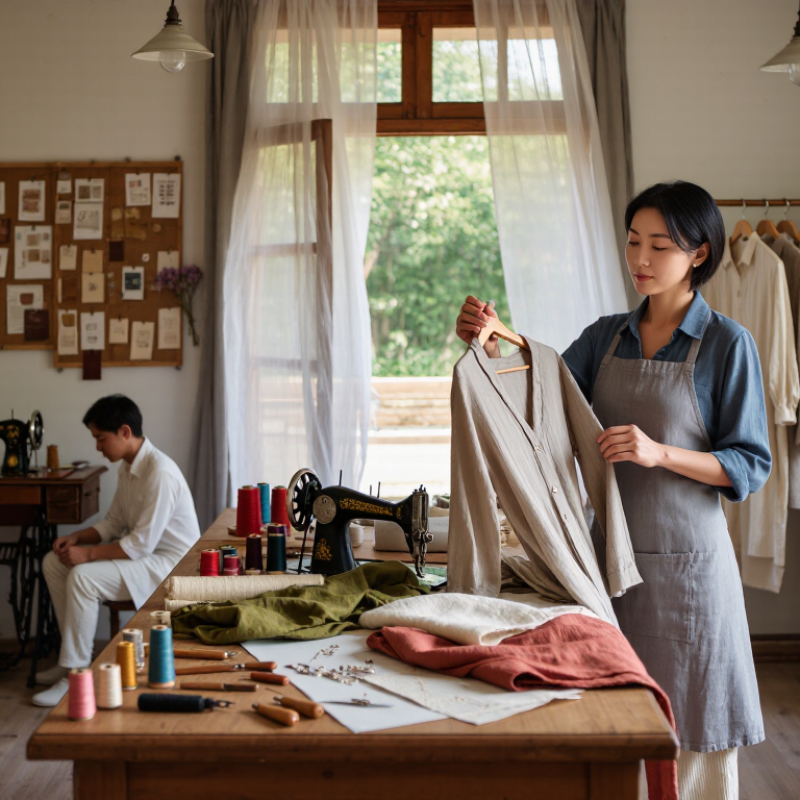
Before contacting makers, define the garment in measurable terms. Specify silhouette, size range, target fabric weight, color, and intended retail season. A reference sketch helps, but include garment measurements and construction details too. Note which features can vary, such as small differences in hand embroidery, and which must remain consistent, such as seam strength or button placement. Clear limits prevent creative flexibility from becoming a production surprise.
Describe craft standards in ways a sample can prove. Ask for close-up photos of stitching, inside seams, hems, and closures. Set practical checks: even stitch spacing, secure thread ends, and no twisting after washing. Request a sample made with the intended fabric and technique, then test its fit and care performance. Small variations may be part of handmade work. Still, “handcrafted” should not excuse weak finishing. That distinction takes judgment.
Set sourcing goals before comparing quotes. Decide your acceptable minimum order, delivery window, sample budget, and expected reorder capacity. Ask who performs each stage, where materials come from, and how delays or defects are handled. Keep notes after every conversation. A supplier may excel at detailed handwork but struggle with repeat quantities; that trade-off can be easy to overlook. Build some room into the schedule, because craft production rarely follows a perfect timeline.
Map sourcing by technique and capability, not by country name alone. A weaving cluster may include family looms, dye houses, finishing units, and independent quality inspectors. Visit during active production. Check loom widths, monthly capacity, shade consistency, and who owns each step. Ask artisans to demonstrate a repeat order, not only a polished sample. Small details matter.
UNESCO’s 2022 Re|Shaping Policies for Creativity report estimates that cultural and creative industries contribute 3.1% of global GDP and 6.2% of employment; these figures cover many fields, not apparel alone. The ILO’s 2019 report on textiles, clothing, leather, and footwear describes a sector employing over 60 million people worldwide. Use this context to map production networks carefully: record workshop addresses, subcontracting relationships, lead times, and payment practices. Speak with makers separately from intermediaries when possible. Maps are never complete. Seasonal labor, shared equipment, and informal production can make capacity hard to verify; revisit assumptions before placing large orders.
| Artisan Region | Established Craft Capabilities | Typical Production Network | Apparel Applications | Sourcing Considerations for 2026 | What to Verify |
|---|---|---|---|---|---|
| Kutch, Gujarat, India | Regional traditions include hand embroidery, handloom weaving, and Ajrakh block printing, a resist-dyeing and printing practice associated with the area. | Work may be distributed among household artisans, embroidery groups, handloom weavers, dyers, printers, and local intermediaries or cooperatives. | Embroidered panels, jackets, tunics, scarves, and printed cotton garments. | Map each operation separately: embroidery, printing, washing, and garment assembly may take place in different workshops. Confirm fabric and color availability before finalizing a design. | Ask for the production location of each process, approved samples, colorfastness results, artisan payment terms, and permission to use specific motifs. |
| Varanasi, Uttar Pradesh, India | Known for handloom silk weaving, including brocades and figured fabrics with woven decorative patterns. | Weaving is often organized through small workshops and household-based work, with separate roles for yarn preparation, loom operation, finishing, and fabric trading. | Occasionwear, structured tops, panels, trims, and accessories using woven silk or silk-blend fabrics. | Clarify whether the fabric is handwoven or produced by another method, and agree on motif scale, usable width, minimum quantities, and allowable variation. | Review loom and fabric samples, fiber composition, fabric width, defects policy, and whether the quoted price covers finishing and transport to the cut-and-sew workshop. |
| Oaxaca, Mexico | Textile traditions include backstrap-loom weaving and regional embroidery. Natural dyes are used by some makers; cochineal is a historically established source of red dye in Mexico. | Independent weavers and embroiderers may work from home or in small community workshops, with cooperatives and local coordinators sometimes helping consolidate orders. | Woven blouses, lightweight tops, skirts, scarves, and decorative garment panels. | Work with makers to document the origin and meaning of designs. Plan for hand-produced variation and confirm whether the product will be sold locally or exported. | Confirm artisan consent for design use, agreed attribution, dye and fiber details, sample approval, production capacity, and fair payment for sampling and finished work. |
| Chinchero and the Cusco region, Peru | Traditional Andean textile work includes handspinning, natural dyeing, and backstrap-loom weaving. Alpaca fiber is an important regional material. | Production can involve herding or fiber suppliers, spinners, dyers, weavers, and community groups. One artisan group may not control every stage of the supply chain. | Woven ponchos, capes, scarves, knit or woven layers, and smaller apparel components. | Specify fiber content and yarn preparation. Discuss the intended garment weight, hand feel, and finishing, since traditional textiles may need adaptation for contemporary sizing and construction. | Verify fiber composition and origin claims, sample dimensions, color consistency, washing behavior, artisan-group agreements, and the division of payment across production stages. |
| Yogyakarta and Pekalongan, Indonesia | Both areas have strong batik traditions. Batik may be made using hand-applied wax techniques or other production methods, which should be clearly distinguished in a purchase specification. | Networks may include batik makers, wax applicators, dyers, cloth finishers, small garment workshops, and local traders. | Printed shirts, dresses, skirts, linings, scarves, and fabric panels. | State the required batik method, repeat, base fabric, and color palette. Include time for strike-offs and production trials because wax-resist designs can vary across batches. | Check technique through process documentation and samples; confirm fabric composition, dye process, colorfastness, design rights, and whether garment sewing is included. |
| Fez and other craft centers in Morocco | Morocco has long-established traditions in hand embroidery and textile making. Techniques and motifs vary by location and maker; capabilities should be confirmed at workshop level. | Small embroidery workshops and independent craftspeople may work alongside fabric sellers, finishers, and garment makers. Supply routes can differ substantially between cities and product types. | Embroidered shirts, tunics, kaftan-style garments, trims, and occasionwear details. | Define stitch type, placement, thread, base cloth, and garment construction before production. Allow for handwork to be applied either to fabric panels or to partly assembled garments. | Approve a stitched sample, confirm who performs the embroidery, document the agreed motif and placement, and check labor pricing, production schedule, and finishing standards. |
| Kyoto, Japan | Nishijin-ori is a Kyoto textile tradition associated with complex patterned weaving, historically including silk fabrics. | Specialist weaving and finishing operations can be distributed among small, highly skilled workshops. Confirm whether a supplier is a maker, coordinator, or fabric trader. | Woven panels, refined jackets, formalwear details, and limited-run accessories. | Discuss loom capacity, fabric width, pattern development, and the availability of the specified yarns. Complex woven designs may require substantial sampling and coordination. | Request fabric specifications, production-stage details, sample approval, care guidance, and clear terms for design development and any custom pattern work. |
When sourcing handcrafted apparel, inspect the garment in daylight. Check whether seams sit evenly, hems feel secure, and pattern details align at joins. Small variations can reflect handwork, but loose threads or uneven stitching deserve questions. Look closely. Ask who made the piece and which steps were completed by hand. Request clear information about fiber content, dyeing, and finishing. A fabric swatch can reveal texture and weight, though it cannot confirm where every process took place.
Tips: Ask for close-up photos of seams and labels, plus a written breakdown of materials. Request details about workshop conditions, pay practices, and production volume. Specific answers are more useful than broad claims.
Reliable sourcing takes evidence, not just an appealing story. Look for consistent records, such as supplier notes, material specifications, and dated production updates. If a maker cannot share private worker details, they can still explain how wages are set and how concerns are raised. I have found that polished photos can hide rough interiors, so inspect the inside too. No checklist proves every claim. Keep unanswered questions visible, and avoid treating a single certificate or sample as complete proof.
Request a paid sample, a size set, and swatches from the actual production materials. Check seam consistency, color under daylight, surface feel, and shrinkage after washing. Keep one approved sample as the reference. For hand-finished work, agree on acceptable variation; demanding identical details may erase the craft you are sourcing. Small details matter.
Ask for an itemized quote covering materials, labor, finishing, packaging, sample fees, minimum order quantities, and freight. Textile Exchange’s Materials Market Report 2024 estimates global fiber production reached 124 million tonnes in 2023. Ask suppliers to identify fiber content and origin, then match those details against invoices or material records. McKinsey and the Business of Fashion’s State of Fashion 2025 survey found 39% of fashion executives expected industry conditions to worsen. Treat that uncertainty as a reason to confirm quote validity, payment milestones, and possible cost changes in writing.
Capacity means more than a monthly unit figure. Ask which steps are done in-house, how many orders compete for the same artisans, and whether output changes by season. Map lead time from material approval through sampling, production, inspection, and shipping. Put dates beside each stage, with time for corrections. A small pilot order can reveal bottlenecks before a larger commitment. Still, forecasts are imperfect. A delayed dye lot can shift everything. Reconfirm progress at agreed checkpoints rather than relying on one promised delivery date.
For 2026, agree on the order details before approving a handcrafted apparel sample. Record garment measurements, fabric composition, color references, size ratios, and acceptable variation in stitching or dye. A hand-finished piece will not look identical to every other piece. Define which differences are part of the craft and which count as defects. Small batches matter. Set minimum quantities, delivery windows, packaging needs, and payment milestones in writing.
Build quality checks around the actual garment, not a vague promise of “premium” work. Review a pre-production sample under natural light, then check finished pieces for seam strength, loose threads, uneven hems, and measurement drift. Photograph findings and keep one approved sample for comparison. Specify how many units will be inspected and what happens when results fall outside agreed tolerances. Leave room. A rushed inspection can miss details, and even a careful process is not perfect.
Plan the partnership beyond one shipment. Schedule regular updates on material availability, production progress, and likely delays, with a named contact on each side. Share feedback respectfully and with clear examples, such as a sleeve measuring two centimeters short. Revisit forecasts every few months rather than expecting a small workshop to absorb sudden volume changes. I would also question my own assumptions: a lower unit price may bring longer lead times or less finishing time, and that trade-off deserves an honest conversation.
Illustrative payment terms for a purchase order: allocate payments to clear production milestones and retain the final balance until pre-shipment quality checks are complete.
These are suggested planning terms, not an industry-wide benchmark. Confirm payment timing, workmanship standards, inspection criteria, and capacity plans with each maker; schedule regular check-ins to support a lasting partnership.
Specify the silhouette, size range, fabric weight, color, and retail season. Include garment measurements and construction details. A sketch alone may leave too much open.
Identify details that may vary, such as small differences in embroidery or dye. Keep seam strength and button placement consistent. Be specific.
Use the intended fabric and technique. Check the fit, stitching, inside seams, hems, and closures. Wash it to see whether it twists or changes shape.
Agree on minimum quantities, sample costs, delivery windows, and reorder capacity. Ask who handles each production stage and where materials come from. Leave some schedule room.
Record measurements, fabric composition, color references, size ratios, and packaging needs. Include payment milestones and acceptable variations. Small details matter.
Inspect seams, loose threads, uneven hems, and measurement differences. Compare pieces with an approved sample. Keep one.
Set inspection quantities and decide how defects will be handled before production begins. Photograph findings clearly. A rushed check can miss things.
Schedule updates about materials, progress, and possible delays. Name a contact on each side. Revisit forecasts every few months, though plans can still shift.
Not necessarily. It may mean longer lead times or less finishing time. I might overlook that trade-off, so it deserves a direct conversation.
Sourcing Handcrafted Artisanal Apparel in 2026 begins with a clear definition of the product: its design, materials, craft techniques, quality standards, target price, and production goals. Buyers can then map suitable artisan regions, independent workshops, and production networks, looking for partners whose skills and working methods align with those requirements. Early conversations should clarify how garments are made and where materials come from, while careful verification helps assess craftsmanship, material quality, and labor practices.
Before placing an order, review samples for construction, comfort, consistency, and finishing. Compare pricing alongside production capacity and realistic lead times, rather than judging a proposal on cost alone. Once a suitable workshop is identified, document order quantities, specifications, payment schedules, quality checks, and communication expectations. A practical partnership plan should also account for seasonal demand, possible delays, and opportunities to refine products over time. These steps help make Handcrafted Artisanal Apparel sourcing more transparent, reliable, and respectful of the people and skills behind each piece.