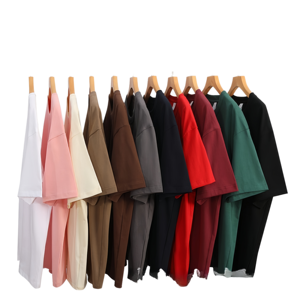
Featured OEM / ODM Garment Line Catalog
Explore our certified apparel production lines engineered for global retail chains, brand owners, and wholesale importers.
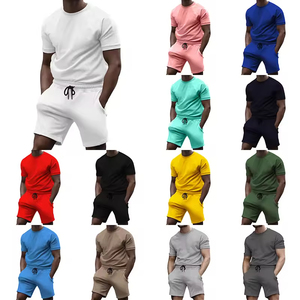
Factory Price Summer Men's Lightweight Sporty Casual Shorts Set with T-Shirt
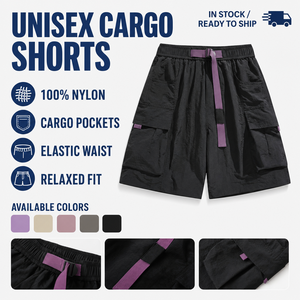
MA8058 OEM Custom Private Label Unisex Cargo Shorts 100% Nylon Lightweight
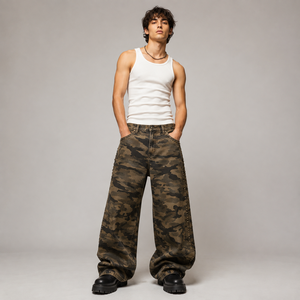
OEM Wholesale Custom Mens Mud Wash Baggy Jeans Oversized Wide Leg Denim
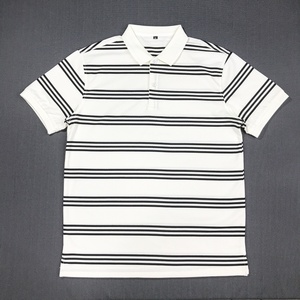
Wholesale Fashion Casual Shirts Classic Fitted Stretch Lapel Anti-Wrinkle
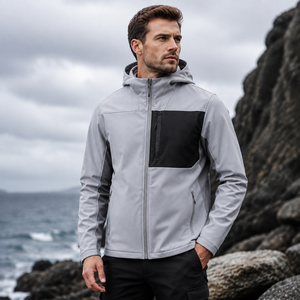
Custom Men's Lightweight Winter Softshell Jacket Outdoor Windproof Coat
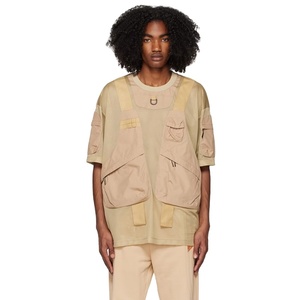
OEM Wholesale Street Wear Loose Fit Multi-Pocket Sports Cargo T-Shirt
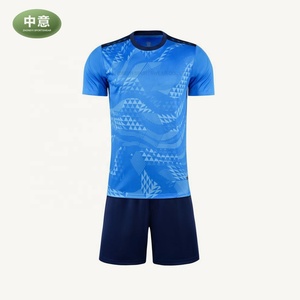
2025-2026 High-quality Sportswear, Casual & Active Training Wear Series
🛡️ CE Certified Children Apparel Sourcing: Complete Safety & Quality Audit Guide
Sourcing children's apparel for European and international markets requires strict compliance with mechanical safety, chemical limits, and physical performance standards. For global procurement officers, brand managers, and retail buyers, securing verified CE Certified children apparel sourcing suppliers & exporters is not merely a legal requirement—it is the foundation of brand trust and consumer safety.
Unlike standard adult readymade garments, children wear faces stringent regulatory scrutiny under European Union directives, standard EN 14682 (Safety of children's clothing - Cords and drawstrings), EN 71-3 (Migration of certain elements), REACH regulations for harmful substances, and OEKO-TEX Standard 100 Class I specifications for baby products. Manufacturing partners must possess process-driven quality systems to guarantee zero non-conformity during port entry audits.
Key Industry Takeaway: A CE certification for children's wear demonstrates that the garment meets essential European health, safety, and environmental protection requirements. Reliable export suppliers implement AQL (Acceptable Quality Limit) standards between 1.0 and 2.5 for critical stitching, cord security, and seam strength.
Regulatory Compliance Matrix for Children's Garment Export
When selecting OEM/ODM partners in global textile hubs, evaluating compliance infrastructure prevents catastrophic product recalls and border rejections. The table below outlines mandatory international compliance metrics for children's apparel:
| Compliance Category | European (EU) Standard | US / Global Standard | Critical Sourcing Protocol |
|---|---|---|---|
| Mechanical & Cords Safety | EN 14682:2014 Compliance | 16 CFR Part 1120 / ASTM F1816 | Zero functional drawstrings in head/neck area for ages 0–7; free ends restricted to 75mm. |
| Chemical Safety & Toxins | REACH Annex XVII & EN 71-3 | CPSIA / CPSC Lead & Phthalates | Formaldehyde <20 ppm, zero Azo Dyes, heavy metal leaching testing under synthetic sweat. |
| Flammability Risk | EN 14878 (Nightwear) | 16 CFR Part 1610 / 1611 | Flame spread rate evaluation on raised fiber surface fabrics (fleeces, velours, knits). |
| Choking Hazard & Pull Test | BS 8441 / ISO 13935 | 16 CFR 1500.51-53 | Snap buttons, rivets, and appliques must withstand min 90N pull force for 10 seconds. |
| Organic Fiber Verification | GOTS / OCS Certification | USDA Organic / NOP | Chain of custody verification from raw cotton farm to final finished dye lot batch. |
🏭 Manufacturing Infrastructure & Enterprise Competitive Edge
Built upon over two decades of manufacturing excellence, our export enterprise operates state-of-the-art facilities in prime industrial corridors (DLF Industrial Area, Phase-1). We specialize in crafting premium high-fashion garments—spanning ladies wear, kids apparel, and handcrafted artisanal collections—for top-tier global designers, department stores, and volume importers.
⚙️
Dual-Node Woven & Knitted Production
Seamlessly integrated production lines for heavy cotton knits (230g+ t-shirts, tracksuits), stretch lapel casual woven shirts, lightweight nylon outerwear, and structured denim garments under one unified quality system.
🔬
AQL 1.0–4.0 Quality Protocols
Rigorous multi-stage quality inspections: raw fabric chemical screening, in-line stitching checks at 10% packing, mid-line inspections at 50%, and final pre-shipment AQL audit at 100% finished state.
🎨
Heritage Artisan Craftsmanship
Infusing modern silhouettes with authentic heritage skills: Shibori tie-dye, Bandhini, precision hand block printing, intricate Zardozi embroidery, and raffia knit detailing for high-value fashion lines.
🌐
Global Fabric Sourcing Network
Direct supply chain partnerships with certified yarn mills across India, Italy, and East Asia, granting immediate access to organic combed cotton, GRS recycled polyester, anti-wrinkle blends, and tech softshells.
🤝
Transparent OEM / ODM Management
Comprehensive private-label support from tech-pack creation, pattern grading, and rapid sample prototyping to automated cutting, specialized embellishment, and streamlined international logistics to 50+ countries.
📈 Future Sourcing & Procurement Trends in Children Apparel (2025–2030)
As global retail dynamics shift toward sustainability, digital traceability, and elevated comfort, international buyers must adapt their sourcing strategies. The next decade of children's and youth garment procurement is defined by five key structural trends:
1. Circular Economy & GOTS Organic Certified Materials
Gen-Z and Millennial parents prioritize non-toxic, eco-conscious fabrics for infant and children wear. Sourcing demands have shifted sharply toward 100% GOTS-certified organic cotton, bamboo viscose, and chemical-free bio-dyes. Importers are requiring Digital Product Passports (DPP) to prove full supply chain traceability from raw fiber harvesting to final garment assembly.
2. High-Density Heavyweight Knits & Urban Activewear Silhouettes
Streetwear influences are restructuring youth and children's collections. High-density fabrics (such as 230g–300g combed cotton knits, oversized boxy tees, baggy wide-leg cargo shorts, and mud-wash denims) have crossed over from adult streetwear into youth apparel categories. Sourcing suppliers must master garment wash techniques (acid wash, mud wash, enzyme wash) while preserving fabric pH and skin safety.
3. Technical Softshell & All-Weather Outerwear Solutions
Performance apparel is no longer restricted to adult sports. Children's outerwear demands windproof, water-repellent, yet highly breathable softshell jackets featuring non-PFC (perfluorinated chemical) durable water repellent (DWR) coatings. Importers seek suppliers capable of seam-taping and thermal membrane lamination tailored to active kids.
4. Nearshoring, Agility & Low-MOQ Flexible Production Cycles
To reduce inventory carry risk and rapid markdown pressures, global retailers are moving away from massive single-style orders toward agile, multi-batch deliveries. Manufacturers with flexible line configurations capable of supporting lower MOQs (Minimum Order Quantities) with rapid 21-day turnaround times hold a distinct market advantage.
❓ Frequently Asked Questions (FAQ) — B2B Procurement Guide
Q1: What specific documentation proves a children's apparel manufacturer is CE compliant?
CE compliance documentation for children's wear includes third-party lab test reports from accredited bodies (SGS, Intertek, TUV) verifying compliance with EN 14682 (drawstring safety), EN 71-3 (heavy metal migration), REACH chemical compliance, and a formally issued Manufacturer Declaration of Conformity (DoC).
Q2: How do you handle custom private label branding and logo printing for OEM orders?
We offer end-to-end private label production, including custom woven neck labels, care tags, FSC-certified hangtags, custom chest prints (screen print, puff print, digital DTG, embroidery), and custom packaging bags. Tech packs are reviewed by our engineering team to create precise sample prototypes before bulk runs.
Q3: What are your standard Minimum Order Quantities (MOQs) and sampling lead times?
Sample development typically takes 7 to 10 working days upon receipt of tech pack and fabric specifications. Standard production MOQs start at 100 to 300 pieces per colorway/style depending on fabric customization, enabling brands to test market viability with minimal capital risk.
Q4: How do you enforce safety for metal trims, snap buttons, and zippers on kids garments?
All metal trims are 100% nickel-free and lead-free. Buttons, snaps, and embellishments undergo pneumatic pull-strength testing (min 90N pull force) to ensure zero choking hazard risk. Furthermore, all finished packed goods pass through multi-channel needle detectors prior to final container loading.
Q5: Can you manufacture both knitted sportswear and structured woven casual wear in the same order?
Yes. Our integrated manufacturing infrastructure houses specialized production units for both knitted lines (oversized tees, hoodies, casual short sets) and woven lines (cargo shorts, lapel shirts, jackets, denim pants). This enables unified quality control and consolidated shipping for mixed-category orders.
Q6: What quality inspection standards are applied prior to container shipment?
Orders are audited following internationally accepted AQL 1.0 (Critical), AQL 2.5 (Major), and AQL 4.0 (Minor) sampling tables. Third-party inspection agencies appointed by buyers are given full access to our quality assurance labs for pre-shipment inspection (PSI) verification.
Partner with a Certified Export Garment Manufacturer
Request our comprehensive product catalog, CE technical documentation, or custom OEM quotation today. Our export team responds within 12 business hours.