CE-Compliant Activewear & Performance Apparel Portfolio
Explore our custom OEM/ODM activewear and performance streetwear product lines engineered for durability, skin safety, ergonomic movement, and international retail compliance.
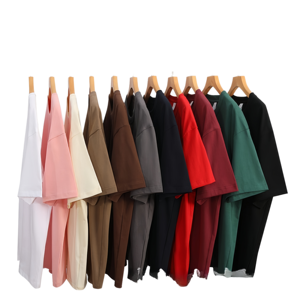
Men's Wholesale 230g Oversized Printed Casual Knitted 100% Cotton T-Shirt
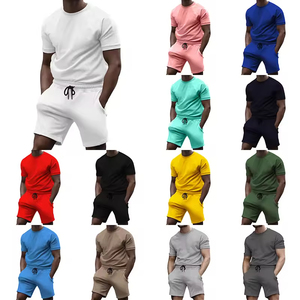
Summer Lightweight Sporty Casual Shorts & Short Sleeve T-Shirt 2-Piece Tracksuit
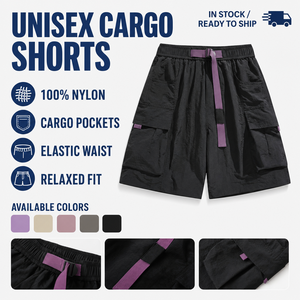
MA8058 OEM Custom Private Label Unisex 100% Nylon Cargo Streetwear Shorts
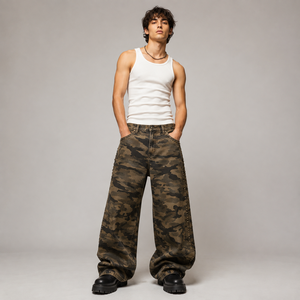
Custom Men's Mud Wash Baggy Jeans Oversized Wide Leg Heavyweight Denim Pants
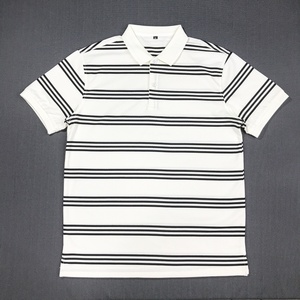
Classic Fitted Stretch Lapel Short-Sleeved Knitted Breathable Cotton Shirts
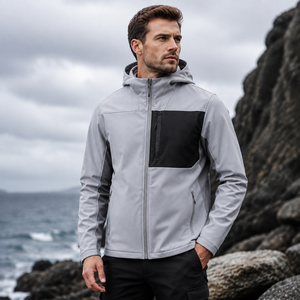
Custom Men's Lightweight Outdoor Winter Softshell Windproof Jacket
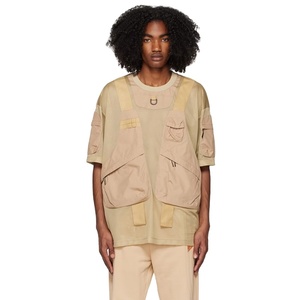
High Quality Loose Fit Multi-Pocket Tactical Sports Fashion Cargo T-Shirt
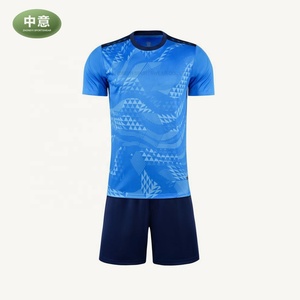
2025-2026 Wholesale High-Performance Training Wear & Sportswear Range
Executive Manufacturing Infrastructure & Sourcing Capabilities
Building an agile, process-driven manufacturing ecosystem designed to meet the rigorous physical, technical, and regulatory requirements of international apparel brands.
Vertically Integrated Production Floor
From precision CAD pattern grading and automated laser fabric cutting to multi-head embroidery and flatlock seamless stitching, our manufacturing facilities operate under strict industrial engineering protocols to ensure zero-defect output.
AQL 1.0–4.0 Standardized Quality Control
Quality assurance is embedded at every manufacturing milestone. We conduct raw fabric lab testing, in-line inspections at 10% packing, mid-line audits at 50% completion, and final randomized AQL 1.0/2.5 inspections prior to export release.
Global Raw Material Procurement Network
We maintain long-standing strategic alliances with certified textile mills across India, Italy, Taiwan, and South Korea. This enables direct sourcing of GOTS-certified organic cotton, recycled polyester (rPET), moisture-regulating elastane, and technical nylon ripstops.
Information Gain Insight: Unlike standard garment factories that rely on third-party piece-rate subcontractors, integrated CE-certified activewear exporters manage technical yarn testing, moisture transport evaluation, seam burst strength analysis, and eco-dyeing in-house. This centralized control reduces production lead times by 25% while maintaining compliance traceability.
CE Certification & European Compliance Architecture for Activewear
Navigating European market entry requirements requires transparent compliance with chemical safety, physical durability, and protective wear directives.
Sourcing activewear for European distribution demands an intimate understanding of EU regulations. A CE mark on technical sportswear and personal protective apparel verifies that the product meets essential health, safety, and environmental protection benchmarks established by European directives. Below is the technical compliance framework managed by our engineering team:
| Regulatory Standard | Technical Scope & Parameter | Testing Methodology / Metric | Procurement Value Advantage |
|---|---|---|---|
| EU REACH Regulation | Restricts harmful azo dyes, phthalates, heavy metals, and PFAS forever chemicals. | GC-MS Chemical Matrix Testing (Annex XVII Compliance) | Guarantees 100% non-toxic, skin-friendly activewear safe for intense sweat conditions. |
| OEKO-TEX Standard 100 | Verifies raw yarn, thread, zippers, and dye safety across Class I & II limits. | Human-ecological laboratory testing protocol | Reduces consumer allergy risks and accelerates customs entry clearance in EU ports. |
| EN ISO 13934-1 (Seam Strength) | Evaluates tensile properties and seam burst resistance during extreme movement. | Pneumatic & Mechanical Tensile Tester (N Dynamic Load) | Prevents seam splitting in high-compression leggings, sports bras, and outerwear. |
| EN 13758-1 (UV Protection) | Measures solar ultraviolet radiation transmittance through activewear textiles. | Spectrophotometric UPF 50+ Rating Verification | Allows brands to market certified sun-protective outdoor performance gear. |
| EN 17353 / EN ISO 20471 | Photometric requirements for enhanced visibility and reflective trims on running gear. | Retroreflective Coefficient (cd/lx/m²) Lab Analysis | Essential for night-running and outdoor athletic apparel entering EU retail chains. |
Why CE Certification Matters to Brand Directors & Procurement Executives
In the modern retail landscape, failure to comply with European safety standards can lead to costly customs seizures, product recalls, and severe brand equity damage. By partnering with a factory that embeds CE compliance into the initial Tech Pack engineering phase, brands mitigate regulatory liability. Every batch produced in our facilities comes with comprehensive Technical Files, lab test certificates, and complete material traceability documentation.
Future Sourcing & Technical Innovation Trends in Activewear
The activewear manufacturing landscape is undergoing a structural paradigm shift driven by material science, digitalization, and eco-design directives.
1. Bio-Based & Recycled Synthetics
The transition away from virgin fossil-fuel synthetics is accelerating. Advanced sourcing strategies now prioritize 100% recycled nylon (ECONYL), ocean-bound plastic polyesters, and bio-based elastane derived from industrial corn starch, providing high elasticity with a significantly reduced carbon footprint.
2. Bonded & Seamless Ultrasonic Stitching
Traditional sewn seams create friction, weight, and failure points under stress. Thermal bonding and ultrasonic welding technologies fuse technical fabrics without needle punctures, producing ultra-lightweight, stitchless activewear that enhances aerodynamic performance and skin comfort.
3. 3D Digital Twin Prototyping
Integrating CLO 3D and digital prototyping software allows our engineering team to simulate fabric drape, stretch deformation, and fit parameters in a virtual space. This innovation reduces physical sampling rounds by 70%, drastically cutting development costs and time-to-market.
4. Smart Thermal Management
Next-generation training wear incorporates micro-encapsulated Phase Change Materials (PCM) and moisture-activated yarn structures that dynamically expand to increase breathability when body temperature rises, maintaining thermal equilibrium during workouts.
5. Digital Product Passport (DPP) Integration
Enforced by upcoming EU legislation, activewear manufacturers must provide transparent supply chain data. Our digital tracking systems embed unique QR codes into inner care labels, enabling end consumers to trace fiber origin, factory audits, and carbon footprints.
Global Activewear Industry Trends & Circular Economy Drivers
How evolving consumer behaviors and stringent international trade policies are reshaping activewear export manufacturing.
Strategic Sourcing Shift: Global apparel brands are actively reducing reliance on single-region manufacturing hubs by partnering with multi-faceted exporters capable of managing small-batch rapid replenishment (Quick-Response Manufacturing) alongside high-volume seasonal orders.
The modern activewear market is no longer dictated solely by aesthetics; functional performance, ethical compliance, and circular design are now core purchasing criteria. Key macro trends shaping the global supply chain include:
- Hybrid Athleisure & Streetwear Convergence: The boundary between technical performance gear and casual daily wear has permanently blurred. Consumers demand high-density 230g+ cotton T-shirts, mud-washed baggy denim, and utility cargo shorts that combine street aesthetics with moisture-wicking and stretch performance.
- Closed-Loop Circular Textile Recycling: Factories are implementing post-industrial fabric clip recycling. Cut-and-sew waste is re-shredded, re-spun into yarn, and blended with organic fibers to achieve zero-waste manufacturing targets.
- Zero-Water & Low-Impact Dyeing Technologies: Water-free supercritical CO2 dyeing and natural bio-based pigment systems are replacing chemical-intensive dip dyeing, significantly curtailing wastewater effluents.
- Supply Chain Traceability & ESG Governance: Enterprise buyers require third-party audited proof of fair labor practices, safe factory conditions, and environmental stewardship (BSCI, SMETA, ISO 14001).
Frequently Asked Questions for Activewear Sourcing & Procurement
Expert answers to common commercial, technical, and regulatory questions from international brand buyers and supply chain managers.
Q1: What technical documentation is required to verify CE compliance for custom activewear exports?
CE compliance for activewear requires a complete Technical File containing raw material test reports (REACH Annex XVII, OEKO-TEX certificates), lab proof of physical properties (ISO seam burst strength, color fastness ISO 105), factory ISO 9001 quality management records, and a signed EU Declaration of Conformity (DoC). Our export team provides full dossier packages with every shipment.
Q2: What are your minimum order quantities (MOQs) for custom activewear production?
We offer flexible MOQ structures tailored to brand maturity. Standard custom OEM/ODM orders start at 300–500 pieces per style/colorway for custom-dyed technical fabrics. For stock-supported custom prints or private labeling on existing blanks, MOQs can be lowered to 100–200 pieces per order.
Q3: How do you handle custom fabric development and lab dip approvals?
Upon receiving your pantone codes or target fabric swatches, our R&D lab produces Pantone TPX/TCX lab dips within 5–7 business days. We provide strike-offs for custom prints and initial sample prototypes within 10–14 days, complete with detailed technical specs for fit and stretch evaluation.
Q4: What quality inspection protocols are used before shipping activewear orders?
We operate under standardized AQL (Acceptable Quality Limit) 1.0/2.5 inspection procedures. Every order undergoes four distinct stages: 1) Incoming Fabric & Trim Inspection, 2) In-Line Cutting & Sewing Checks, 3) Mid-Line Assembly Inspection at 50% completion, and 4) Final Random Audit at 100% packing prior to container loading.
Q5: Can you assist with custom Tech Packs, grading, and private label packaging?
Yes. Our in-house pattern-making and technical design teams can translate rough sketches, mood boards, or physical samples into production-ready CAD Tech Packs. We manage full size grading, custom woven neck labels, hangtags, polybags, and custom barcoded packaging tailored to your fulfillment center guidelines.
Q6: What is the typical lead time for bulk activewear manufacturing and global delivery?
Bulk production typically requires 30–45 days after pre-production sample (PPS) approval, depending on fabric availability and design complexity. Shipping timelines range from 5–7 days via expedited air freight to 25–35 days via ocean freight to major European and North American ports.
Q7: How does your factory ensure chemical safety and skin-friendly properties in sweat-heavy sportswear?
All dyes, finishing agents, and chemical additives used in our dye houses are OEKO-TEX Standard 100 certified and REACH compliant. We strictly prohibit skin-sensitizing dispersants, formaldehyde, and toxic heavy metals, ensuring maximum safety during long-duration athletic wear.
Q8: Do you support sustainable, eco-friendly apparel manufacturing options?
Absolutely. We offer a full spectrum of sustainable textiles including GOTS-certified organic cotton, recycled polyester (rPET), recycled nylon, bamboo viscose, and eco-friendly enzyme washes. Furthermore, our factories implement water recycling systems and energy-efficient LED/solar power installations.
Partner with a Certified Leader in Custom Activewear Manufacturing
Whether you are expanding an established international sportswear brand, launching a private label athleisure line, or seeking a compliant CE-certified OEM/ODM exporter, our engineering and production teams are ready to bring your tech packs to life.