Industrial Grade CE Certified Workwear Solutions
Explore our top-tier protective work uniforms engineered with heavy-duty poly-cotton blends, EN ISO safety compliance, multi-pocket ergonomic utility, and custom logo embroidery options.
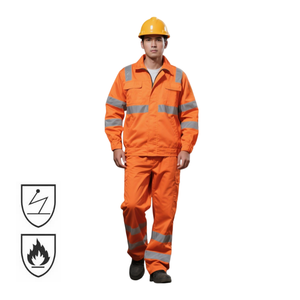
CE Certificate Anti Static Industrial Power Workers Mechanic Custom Work Uniform for Men
Send an Inquiry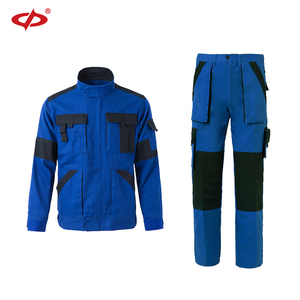
Men's Cotton Work Coverall Set With Tool Bag Multi-Pocket Outdoor Breathable Windproof Soft Fabric Custom Logo Option
Send an Inquiry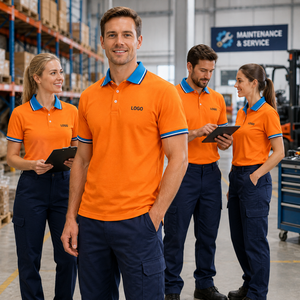
Custom 220GSM Poly Cotton Work Polo Shirt Short Sleeve Uniform for Factory Maintenance Logistics Service Team
Send an Inquiry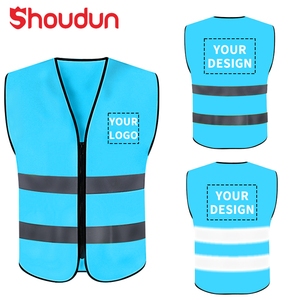
Custom High Visibility Reflective Safety Vest Mesh Multi-pocket Multicolored Reflective Work Vest Quick Dry Workwear
Send an Inquiry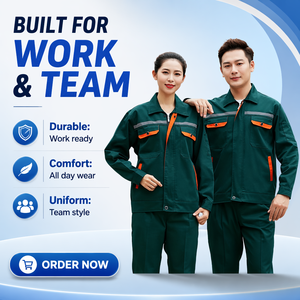
Wholesale Work Uniform Set Work Clothes Reflective Wear-resistant Auto Repair Workshop Workwear Custom Embroidered logo Uniform
Send an Inquiry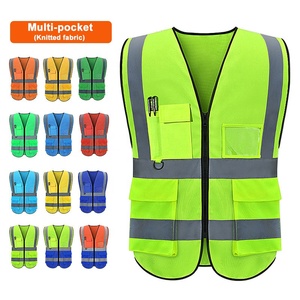
Hi Vis Construction Work Reflective Workwear Safety Vest For Men
Send an Inquiry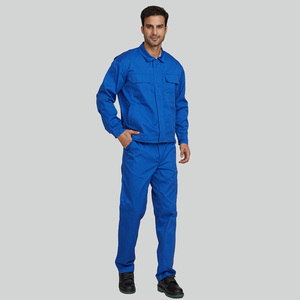
Wholesale Custom Industrial Safety Electrician Uniforms Construction Clothing Blue Wear Rough Workwear for Mining
Send an Inquiry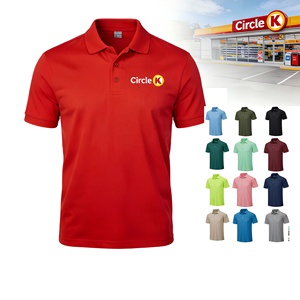
OEM Custom Embroidery Printing Plain Cotton Polyester Workwear Breathable Sport Golf Corporate Uniforms Work Polo Shirt
Send an InquiryStrategic Sourcing Guide: CE Certified Industrial Workwear & Protective Uniform Manufacturing
In modern industrial operations, protective workwear is no longer treated as a simple operational supply item. It serves as a vital element of hazard mitigation, regulatory compliance, corporate branding, and worker health and safety. For procurement managers, safety directors, and global sourcing buyers, choosing a verified CE certified workwear uniform manufacturer and factory supplier is essential to managing risk while ensuring long-term durability and ergonomic comfort.
1. Enterprise Manufacturing Capabilities & OEM/ODM Operational Infrastructure
Established as a premier export-oriented garment manufacturing enterprise since 2005, our factory operates advanced cutting, stitching, embroidery, washing, and finishing lines engineered to fulfill high-volume international contracts. By integrating robust industrial engineering practices with daily process monitoring, we bridge the gap between heavy-duty technical protective performance and refined corporate aesthetic customization.
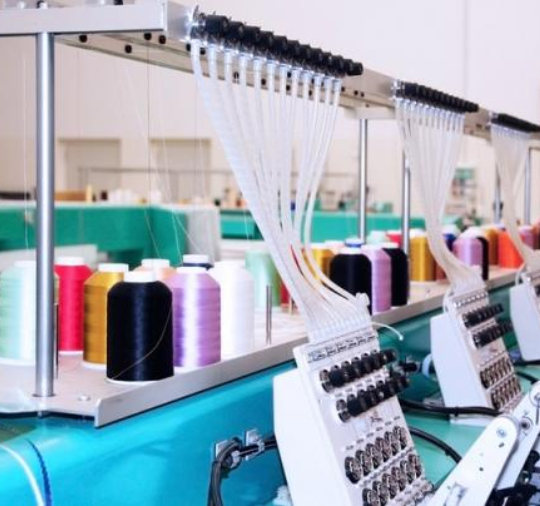
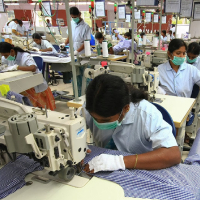
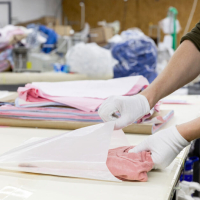
Our infrastructure supports comprehensive vertically integrated operations:
- Global Fabric & Trim Procurement Network: Direct sourcing contracts with esteemed textile mills across India, Italy, and East Asia to supply technical fabrics, including Nomex, Modacrylic blends, conductive grid yarn poly-cotton, high-density Oxford weaves, and GRS-certified recycled polyesters.
- In-House Pattern & Technical Design Lab: Dedicated CAD pattern engineers who convert client tech packs into production-ready marker layouts, optimizing fabric yield while ensuring dynamic ergonomic mobility in stress points (crotch gussets, articulated elbows, action backs).
- Multi-Technique Branding Capabilities: Tajima computer-controlled multi-head embroidery machines, screen-printing tables, automated reflective tape heat-press lines, and high-durability rubber badge application for corporate brand alignment.
- AQL-Compliant Quality Auditing: Multi-tiered quality checkpoints (Fabric Roll Testing, In-Line 10% Assembly Checks, Mid-Line 50% Assembly Inspections, and Final 100% Packing Audits) adhering strictly to AQL 1.0 to 4.0 standards.
2. Technical Compliance Matrix: European Standards (CE) & Functional Performance
Procuring protective clothing for power utility crews, chemical plant technicians, mechanics, mining engineers, and construction teams requires verified adherence to European Norms (EN). The table below outlines the core technical compliance frameworks engineered into our manufacturing process:
| Standard | Target Protection Category | Key Engineering Specifications | Recommended Fabric Blend & GSM |
|---|---|---|---|
| EN ISO 13688 | General Workwear Requirements | Dimensional stability, tear strength, skin non-toxicity, and colorfastness against industrial laundering. | 220–300 GSM Poly-Cotton Twill / Canvas |
| EN 1149-5 | Anti-Static / Electrostatic Dissipative | Woven conductive carbon grid fiber (0.5%–2%) preventing electrostatic discharge sparks in explosive ATEX zones. | 240 GSM 98% Cotton + 2% Antistatic Fiber |
| EN ISO 20471 | High Visibility Safety Garments | Fluorescent background material (Yellow/Orange) combined with retro-reflective glass-bead tapes (Class 1, 2, or 3). | 120–160 GSM Warp-Knitted Polyester Mesh / Solid |
| EN ISO 11612 | Flame & Heat Protection | Protection against radiant, convective, and contact heat. Zero flaming debris or molten dripping upon flame contact. | 280–350 GSM Inherently FR or Treated Cotton |
| EN 343 | Rain & Severe Weather Protection | Hydrostatic head water resistance (>13,000 Pa) with fully taped waterproof seams and breathable PU/PTFE membrane. | 300D Polyester Oxford with Breathable Coating |
3. Enterprise Highlights & Sourcing Competitive Advantages
Selecting the right OEM garment factory determines whether your bulk order arrives on schedule, within budget, and compliant with mandatory international standards. Our strategic advantages for institutional procurement buyers include:
Direct Factory Sourcing
Eliminate middleman markups. Direct communication with our factory engineering team ensures sharp, competitive volume pricing without compromising fabric quality or safety compliance.
Custom Tech Pack Realization
Rapid prototyping and counter-sample development within 7–10 days. We translate complex corporate design guidelines into durable, ergonomic workwear uniforms.
Strict Quality Assurance
Fully certified laboratory testing for tensile strength, seam slippage, color fastness, shrinkage under high-temp washing, and anti-pilling endurance.
4. Future Procurement & Sourcing Trends in Industrial Workwear (2025–2030)
The global workwear market is undergoing a structural shift driven by technological advances, corporate ESG commitments, and changing workforce demographics. Sourcing managers must align their long-term supply strategies with these four key industry movements:
A. Sustainable & Eco-Friendly Fabrics (ESG Compliance)
Global enterprises are rapidly replacing virgin synthetic fibers with Global Recycled Standard (GRS) certified recycled polyester derived from post-consumer PET bottles, paired with organic or BCI (Better Cotton Initiative) cotton. Sustainable workwear fabrics must maintain identical tensile strength, abrasion resistance (Martindale test > 50,000 rubs), and color retention compared to traditional virgin cotton-poly twills.
B. Advanced Ergonomics & Dynamic Comfort Engineering
Modern work uniforms prioritize ergonomic movement. Conventional stiff overalls are being upgraded with 4-way stretch mechanical flex panels in key movement zones (lower back, knees, underarms). Moisture-wicking inner linings and quick-dry finishes ensure temperature regulation during heavy physical labor in outdoor, high-heat, or tropical industrial environments.
C. Smart Workwear & Integrated Wearable Technology
Next-generation protective uniforms feature integrated micro-sensors for real-time environmental hazard detection (gas leaks, extreme heat exposure) and worker biometric tracking (heart rate, heat stress indicators). Additionally, embedded RFID microchips enable automated industrial laundry inventory tracking for large-scale rental and contract laundering operations.
D. Nearshoring Hybrid Supply Chains & Transparent Lead Times
To guard against global logistics disruptions, procurement executives are utilizing hybrid supply chain models—combining high-volume production hubs with flexible rapid-replenishment capabilities. Digital tech-pack updates, real-time WIP (Work-in-Progress) tracking, and transparent customs documentation are now prerequisite capabilities for top-tier OEM apparel vendors.
Frequently Asked Sourcing & Manufacturing FAQs
Detailed technical answers to common queries submitted by corporate buyers, safety auditors, and OEM purchasing directors.
What certifications do your factory and protective workwear uniforms hold?
Our manufacturing facilities are ISO 9001:2015 certified for quality management and ISO 14001 certified for environmental standards. Our technical workwear lines comply with relevant European Union CE directives, including EN ISO 13688 (General Requirements), EN 1149 (Anti-Static), EN ISO 20471 (High-Visibility), and EN ISO 11612 (Flame Resistance). Full test reports from accredited third-party laboratories (SGS, Intertek, TUV) are provided with production orders upon request.
What is your Minimum Order Quantity (MOQ) for custom OEM/ODM workwear orders?
Standard Minimum Order Quantities for custom dyed fabrics or customized functional uniform sets start at 500 pieces per style/colorway. For stock-supported standard fabric colors (such as Navy Blue, Royal Blue, High-Vis Orange, Charcoal Grey), we offer flexible MOQs starting at 300 pieces to support trial orders or specialized maintenance teams.
Can you match custom corporate Pantone colors and specific brand logos?
Yes. We provide precise Pantone (PMS) lab-dip color matching for woven twill, canvas, and knitted polo fabrics. Brand logos can be applied using high-density embroidery, silk screen printing, heat transfer reflective films, or durable woven patches engineered to withstand continuous industrial wash cycles at 60°C to 90°C.
How do you ensure fabric durability and low shrinkage during industrial washing?
All raw fabrics undergo rigorous pre-shrunk mercerization and sanforization processes prior to cutting. We enforce lab testing protocols for dimensional stability (ensuring shrinkage remains under 3% post-washing), tear and tensile strength (ISO 13934-1), and pilling resistance (ISO 12945-2), guaranteeing long-term garment lifespan in harsh workplace environments.
What is the typical turnaround lead time from tech pack to final shipment delivery?
Counter-sample development and tech pack confirmation take approximately 7 to 10 working days. Bulk mass production lead time typically ranges between 35 and 45 days after pre-production sample approval, depending on fabric dye lot complexity and order quantity. Express air freight or structured sea freight logistics are fully coordinated by our export team.
Do you offer specialized functional fabric treatments such as oil/water repellency or anti-arc flash?
We supply advanced chemical finishes including DuPont Teflon™ water and oil repellent coatings, DWR (Durable Water Repellent) storm treatments, anti-bacterial/odor control treatments, and specialized Proban® or Pyrovatex® flame-retardant finishes tailored to power grid maintenance, chemical handling, and oilfield operations.
How is quality control audited before shipment to international destinations?
Every order undergoes strict Acceptable Quality Limit (AQL 1.5 / 2.5) inspections. Clients are welcome to assign third-party inspection agencies (such as SGS, Bureau Veritas, or QIMA) to perform final random pre-shipment inspections (FRI) at our factory warehouse prior to container loading and seal authorization.
Partner with a Certified Workwear Manufacturer Today
Request a custom factory quote, inquire about technical fabric specs, or submit your tech pack for rapid counter-sample development with our industrial garment engineering team.