230GSM Heavyweight
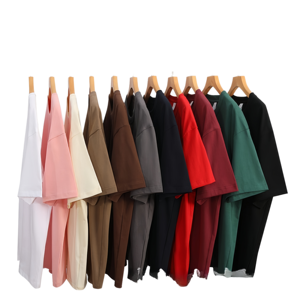
Men's Wholesale 230g Oversized Printed Casual Knitted 100% Cotton T-shirt
Reactive Dyed
100% Comb Cotton
Custom Logo
Direct from our ISO 9001 and OEKO-TEX Standard 100 certified manufacturing facility. Featuring heavy wash denim, reactive-dyed knits, nylon outerwear, and technical streetwear styles.
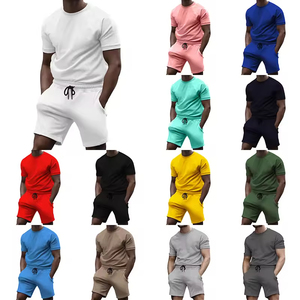
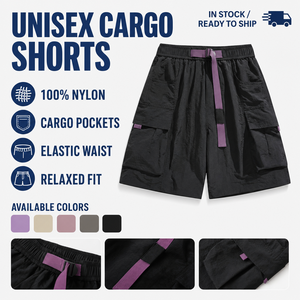
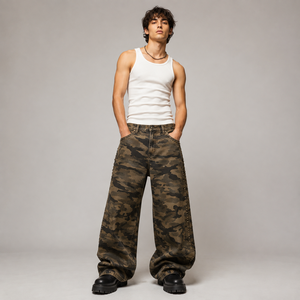
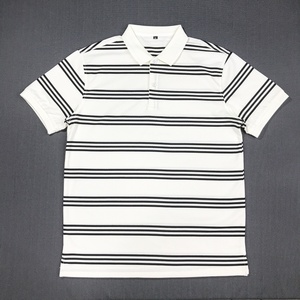
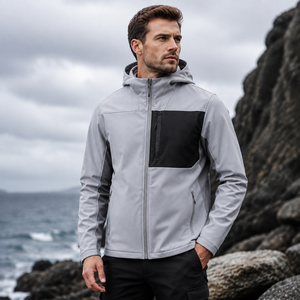
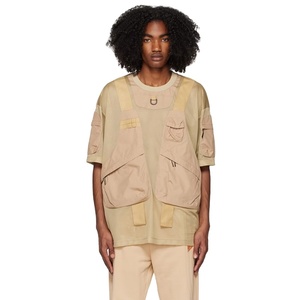
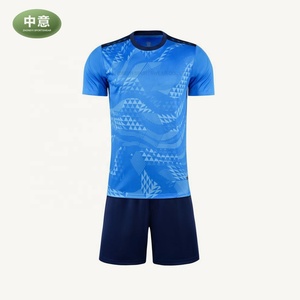
Integrating process-driven manufacturing, heritage artisan craft, and advanced low-liquor dyeing technology to serve international apparel buyers.
Direct procurement partnerships with certified mills across Asia and Europe, ensuring top-tier 100% combed cotton, technical nylon 66, heavy denim, and eco-friendly organic fibers.
Utilizing Datacolor 800 spectrophotometers to guarantee strict color match limits (ΔE < 0.8) for reactive dyeing, acid dyeing, pigment garment wash, and vintage mud washing.
Multi-stage quality audits encompassing in-line fabric inspection, mid-line sewing checks, and 100% pre-shipment AQL 1.0–4.0 evaluations for zero-defect execution.
Dedicated account managers offering real-time production tracking, ERP-driven milestones, and instant lab-dip updates to maximize supply chain predictability.
Specialized in hand-treated tie-dye, Shibori, Bandhini, mineral mud wash, ozone washing, and custom distressing for premium streetwear and boutique brands.
OEKO-TEX and ZDHC Level 3 certified eco-friendly processing facilities implementing advanced biological water treatment, reducing environmental footprint by up to 80%.
In the era of modern semantic search and intent-driven global procurement, global fashion enterprises demand far more than basic apparel assembly. As brand owners, supply chain directors, and wholesale buyers navigate shifting retail landscapes, China custom dyeing apparel suppliers and exporters have transformed from simple assembly lines into sophisticated chemical, technological, and creative innovation hubs. Modern custom dyeing requires an intimate understanding of fiber chemistry, low-liquor ratio machinery, colorfastness standards, and strict global compliance mandates such as OEKO-TEX Standard 100, REACH, and ZDHC (Zero Discharge of Hazardous Chemicals).
Executive Takeaway: Transitioning from traditional piece-dyeing (fabric-first) to garment-dyeing (apparel-first) reduces fabric waste by 18%, cuts inventory holding costs, and permits rapid color iteration based on real-time market sales signals.
Achieving vibrant visual appeal without sacrificing structural tensile strength or hand-feel demands specialized chemical selection for each specific fiber matrix:
Selecting the correct coloration method directly dictates product lead times, minimum order quantities (MOQs), and visual characteristics:
| Dyeing Method | Production Stage | Colorfastness (ISO 105-C06) | Lead Time Flexibility | Ideal Product Application |
|---|---|---|---|---|
| Garment Dyeing | Finished Ready-to-Sew Garment | Grade 3.5 - 4.5 | Ultra-Fast (2-3 Weeks) | Vintage Tees, Streetwear Hoodies, Mud Wash Jeans |
| Piece Dyeing | Woven or Knitted Fabric Rolls | Grade 4.0 - 5.0 | Moderate (3-4 Weeks) | Standard Solid Shorts, Casual Button-Downs |
| Yarn Dyeing | Individual Spun Yarns | Grade 4.5 - 5.0 | Long (5-7 Weeks) | High-End Plaid Shirts, Striped Knits, Suits |
As buyers balance market agility with ESG (Environmental, Social, and Governance) accountability, several disruptive technologies are defining the future of custom apparel manufacturing:
By utilizing recycled carbon dioxide in a supercritical fluid state, waterless dyeing eliminates water consumption completely, cuts energy use by 50%, and requires zero chemical auxiliaries for synthetic fabric processing.
Replacing petroleum-derived synthetic dyes with agricultural waste extracts and micro-organism fermentation dyes. Combined with bio-polymeric fixatives to satisfy zero-toxicity retail benchmarks.
Direct-to-fabric digital reactive dye printing allows photorealistic, unlimited color gradients with zero screen-making setup costs, dramatically reducing prototype sampling cycles to under 72 hours.
Replacing hazardous permanganate sprays with atmospheric ozone gas chambers and automated 3D laser engraving to achieve authentic vintage distress patterns on denim and heavy fleece garments.
To mitigate risks associated with lot-to-lot shade variation, fabric shrinkage, and delayed shipments, international procurement teams should enforce the following 4-step quality assurance protocol when partnering with Chinese dyeing suppliers:
Essential answers for B2B buyers, apparel merchandisers, and private label brand owners sourcing custom dyed apparel from China.
For stock grey fabric subjected to custom garment dyeing (such as t-shirts, hoodies, and shorts), our minimum order quantity starts as low as 100–300 pieces per colorway. For custom-milled yarn-dyed fabrics or specialized technical nylon acid dyeing, standard MOQs range from 500 to 1,000 pieces per shade depending on fabric weight and composition.
We utilize computerized dye-dispensing systems paired with Datacolor 800 spectrophotometers. Bulk dye recipes are automatically calculated based on exact liquor ratio formulas derived from approved lab dips. We enforce strict ΔE limits (<0.8 against Pantone TCX/TPG standards) and inspect every bulk dye lot under standardized light boxes (D65, TL84, UV).
Our processing units are fully compliant with OEKO-TEX Standard 100 (Class I for baby & skin-contact apparel), EU REACH regulations, and ZDHC (Zero Discharge of Hazardous Chemicals) Level 3 guidelines. All dyestuffs and auxiliary agents are free from harmful heavy metals, phthalates, formaldehyde, and banned AZO colorants.
Specialized vintage treatments like mineral mud wash, acid wash, and heavy pumice stone washing deliberately wear down surface fibers to create a soft, worn-in texture. To prevent seam tearing or loss of tensile strength, we utilize extra-strength core-spun sewing threads and apply enzyme neutralizers that preserve structural integrity while achieving desired aesthetic fading.
Lab dips and shade swatches require 3 to 5 business days. Once the pre-production sample (PPS) is officially approved, bulk apparel cutting, sewing, custom garment dyeing, finishing, and AQL quality inspection take approximately 15 to 25 calendar days, depending on order volume and style complexity.
Yes. Mixed-fiber garments require specialized union dyeing or dual-bath dyeing processes. For instance, in a Cotton/Polyester fleece hoodie, reactive dyes are applied to color the cotton face, while disperse dyes color the polyester backing under carefully controlled pH and temperature cycles to prevent cross-staining and color bleeding.
Connect directly with our senior textile engineers and export directors. Receive instant physical swatch books, Pantone lab dip matching, and complete product catalogs tailored to your brand’s specifications.