Featured Eco-Conscious Wholesale Apparel
Explore our high-performance sustainable casual wear, engineered with low-impact dyes, organic cotton, and recycled technical synthetics.
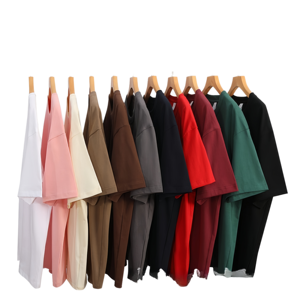
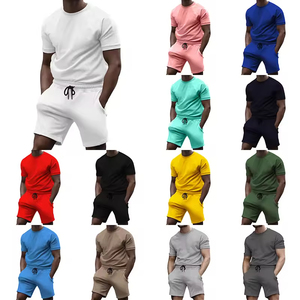
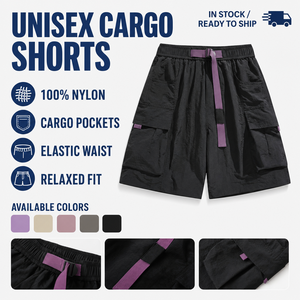
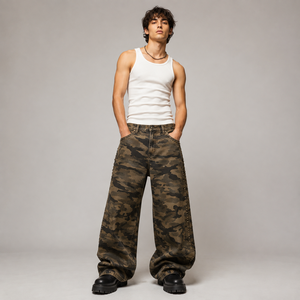
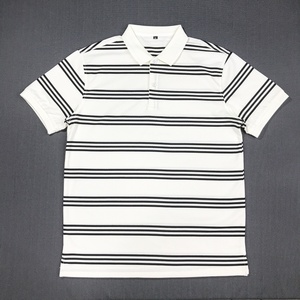
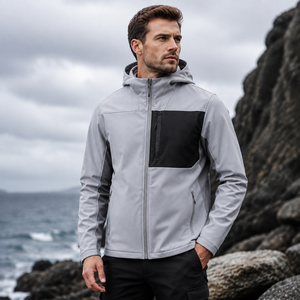
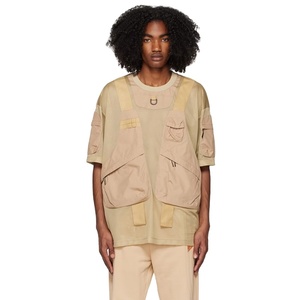
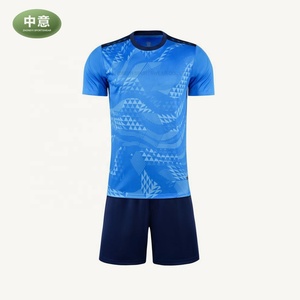
Navigating China's Eco-Friendly Garment Manufacturing Landscape
As the global textile sector undergoes a paradigm shift toward environmental accountability, international apparel brands, wholesale importers, and private label procurement directors are redefining their supply chain criteria. Sourcing eco-friendly apparel wholesale from China is no longer merely a branding gesture; it is an operational imperative driven by stringent international regulations such as the EU Corporate Sustainability Due Diligence Directive (CSDDD) and global consumer demand for transparent, circular fashion.
Modern garment procurement in China has evolved far beyond basic cost-per-unit metrics. Leading Chinese apparel manufacturers in major textile hubs such as Guangdong, Zhejiang, and Jiangsu have integrated state-of-the-art closed-loop water treatment systems, digitalized fabric cutting machinery to reduce material waste, and direct farm-to-factory chain-of-custody tracking. When evaluating wholesale suppliers, global buyers must analyze ecological credentials, compliance audit histories, raw material certifications, and end-to-end technical production capabilities.
True eco-friendly apparel manufacturing requires verifying the entire life cycle assessment (LCA) of the garment—from low-impact fiber cultivation and non-toxic dyestuffs to energy-efficient spinning, zero-waste cutting, and biodegradable packaging. Partnering with certified Chinese manufacturers offers the technical infrastructure needed to scale sustainable garment lines without sacrificing margin viability or product durability.
Technical Sustainable Fabrics: Comparison & Performance Matrix
Selecting the optimal eco-friendly fabric substrate is essential for balancing hand-feel, structural integrity, moisture management, and environmental compliance. Below is an engineering overview of sustainable textile materials available for OEM/ODM mass production.
| Fabric Classification | Certification Standards | Environmental Profile | Key Technical Attributes | Optimal Application |
|---|---|---|---|---|
| GOTS Organic Cotton | GOTS / OEKO-TEX 100 | Zero synthetic pesticides; 91% reduction in water consumption vs conventional. | High breathability, hypoallergenic, soft tactile hand-feel, excellent dye retention. | Oversized T-Shirts, Heavyweight Streetwear, Casual Sets |
| Recycled Polyester (rPET) | GRS / SCS Recycled | Repurposes post-consumer plastic bottles; reduces CO2 emissions by 59%. | High tensile strength, rapid moisture-wicking, wrinkle resistance, shape memory. | Activewear, Softshell Jackets, Cargo Shorts, Sportswear |
| Tencel™ Lyocell / Modal | Lenzing Certified | Closed-loop process capturing & re-using >99.7% of non-toxic solvent. | Silky smooth texture, superior drape, natural thermal regulation, anti-bacterial. | Classic Fitted Shirts, Fashion Knitwear, Premium Casual Tops |
| Organic Hemp & Linen Blends | USDA Organic / OCS | Minimal water requirement, naturally pest-resistant, fully biodegradable. | Exceptional durability, high tensile strength, microbial resistance, breathable. | Summer Shorts, Relaxed Woven Shirts, Utility Streetwear |
| Recycled Denim & Cotton | GRS / RCS Blended | Diverts pre- & post-consumer garment waste from landfills; low-water wash. | Authentic vintage texture, structural weight (12-16 oz), high abrasion resistance. | Heavyweight Mud Wash Baggy Jeans, Outerwear Coats |
Future Sourcing & Manufacturing Trends (2025–2030)
The global eco-apparel manufacturing landscape is rapidly changing under regulatory pressures, technological advancements, and circular economy requirements. B2B buyers must align with suppliers integrating the following core developments:
OEM/ODM Manufacturing Capabilities & Supply Chain Excellence
Our integrated textile infrastructure combines traditional garment craft with modern green manufacturing technologies. We support global wholesalers, independent fashion labels, and high-volume retail chains with tailor-made procurement solutions.
Frequently Asked Questions (FAQ) for Global Buyers
Addressing key operational, logistical, and technical queries regarding eco-friendly apparel wholesale sourcing from China.