Curated Sustainable Apparel Wholesale Catalog
Direct factory sourcing with flexible MOQs, certified eco-friendly textiles, precise tech-pack execution, and strict AQL 1.0–2.5 international quality standards.
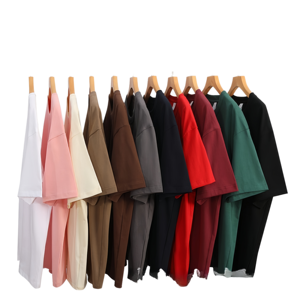
Men's Wholesale 230g Oversized Printed Casual Knitted 100% Cotton T-Shirt
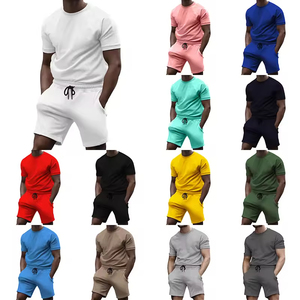
Factory Price Summer Men's Lightweight Sporty Casual Shorts Set 2-Piece Tracksuit
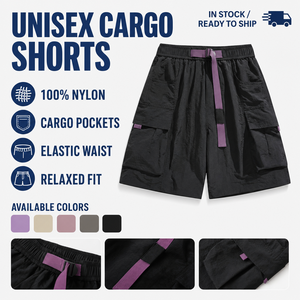
MA8058 OEM Custom Private Label Unisex Cargo Shorts 100% Nylon Streetwear
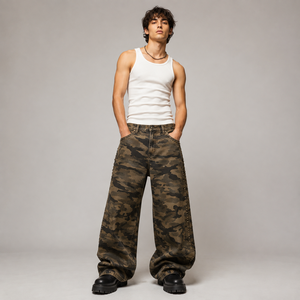
OEM Custom Men's Mud Wash Baggy Jeans Oversized Wide Leg Heavyweight Denim
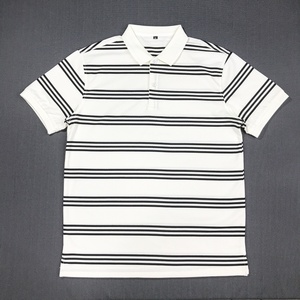
Wholesale Fashion Casual Stretch Lapel Short-Sleeve Knitted Breathable Shirt
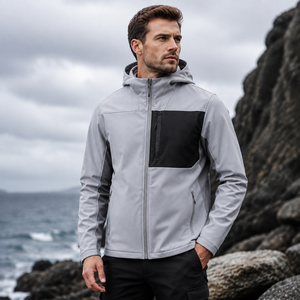
Custom Men's Lightweight Winter Softshell Outdoor Warm Windproof Jacket
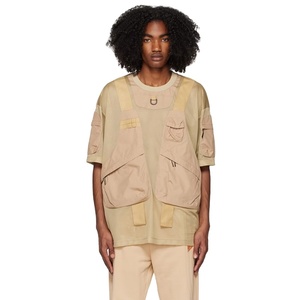
OEM High Quality Streetwear Loose Fit Multi-Pocket Cargo Fashion T-Shirt
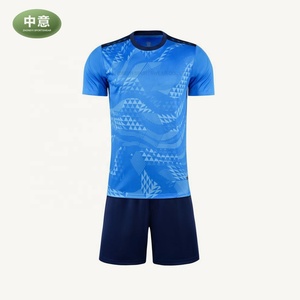
2025-26 Wholesale High-Quality Men's Sportswear & Training Performance Wear
Strategic Industry Whitepaper: Navigating Global Sustainable Apparel Sourcing in 2025–2030
The global textile and apparel industry is undergoing an unprecedented paradigm shift. Driven by stringent international legislative mandates such as the European Union’s Corporate Sustainability Due Diligence Directive (CSDDD), the EU Strategy for Sustainable and Circular Textiles, and the US Uyghur Forced Labor Prevention Act (UFLPA), international fashion brands, retail conglomerates, and independent labels can no longer view sustainability as an optional marketing asset. Instead, environmental, social, and governance (ESG) compliance, full supply chain traceability, and low-carbon manufacturing have become mandatory prerequisites for international commercial entry.
As a premier China wholesale sustainable apparel sourcing supplier and exporter, our enterprise serves as a pivotal bridge between raw eco-textile innovation and large-scale, cost-effective OEM/ODM apparel production. By combining state-of-the-art vertical manufacturing infrastructure with certified sustainable raw materials—ranging from Organic Content Standard (OCS) and Global Organic Textile Standard (GOTS) certified cottons to Global Recycled Standard (GRS) recycled polyester and nylon synthetics—we empower global buyers to mitigate supply chain risks, eliminate Scope 3 carbon footprint bottlenecks, and deliver exceptional product quality to increasingly eco-conscious consumers.
Key Insight for Apparel Procurement Officers: Sustainable procurement is no longer restricted to premium niche lines. Advances in closed-loop waterless dyeing, recycled fiber spinning, and automated low-waste pattern engineering have narrowed the manufacturing cost differential between conventional and eco-responsible garments to under 4–6%, while boosting consumer brand loyalty by over 38% globally.
1. Micro and Macro Drivers of Eco-Friendly Apparel Procurement
The transformation of global clothing procurement revolves around three structural pillars: environmental accountability, material longevity, and regulatory compliance. Modern international importers require full disclosure regarding the origin of raw fibers, chemical management protocols during wet processing, and ethical labor standards across every sewing floor.
To address the multi-faceted demands of global buyers, our manufacturing model integrates closed-loop chemical recycling, zero-waste cutting algorithms, and non-toxic OEKO-TEX Standard 100 approved reactive dyes. Whether producing 230g heavyweight streetwear T-shirts, water-repellent softshell outdoor jackets, or technical vintage mud-wash denim jeans, our production lines maintain strict compliance with global environmental benchmarks without compromising durability, hand-feel, or aesthetic appeal.
Why Leading Global Brands Choose Our OEM/ODM Ecosystem
Traceable Eco-Fiber Matrix
Direct mill partnerships ensuring 100% GOTS Organic Cotton, GRS Recycled Polyester/Nylon, Bamboo Viscose, and Hemp blends with complete transaction certificate (TC) documentation.
AQL 1.0–2.5 Precision QC
Four-tier quality control protocol (Raw fabric lab testing, 10% in-line sewing check, 50% mid-line inspection, and 100% pre-shipment AQL audit) guaranteeing zero defect export shipments.
Low-Impact Wet Processing
Advanced waterless denim mud-washing, ozone bleaching, and digital reactive inkjet printing technology that reduces water consumption by up to 75% and chemical discharge by 80%.
Rapid Tech-Pack & Prototyping
In-house 3D Clo3D CAD design studio producing virtual samples within 48 hours and physical physical pre-production samples (PPS) in 7–10 working days for rapid market validation.
Full OEM/ODM Private Labeling
Custom woven neck labels, recycled TPU chest badges, eco-friendly hangtags, biodegradable polybags, and branded custom hardware (zippers, snaps, eyelets) tailored to brand identity.
Artisan Craft Integration
Harmonizing industrial efficiency with artisanal heritage techniques—including eco block printing, Shibori tie-dyeing, and handcrafted embroidery details for luxury-tier lines.
Future Sourcing Trends: The Next Decade in Apparel Manufacturing & Exportation
As global retail dynamics shift toward hyper-agile, transparent, and low-waste supply chains, apparel buyers must navigate evolving market trends to preserve profit margins while satisfying consumer appetite for sustainable apparel. Below are the key technological and strategic trends shaping the apparel manufacturing landscape through 2030:
1. Circular Economy & Post-Consumer Textile Recycling
The traditional linear "take-make-waste" apparel production model is rapidly giving way to circular manufacturing frameworks. Next-generation recycled cotton blends (incorporating post-industrial cutting scraps and post-consumer garment waste) are achieving tensile strength standards rivaling virgin long-staple cotton. When blended with GRS-certified recycled polyester filaments or eco-nylon 6,6, these yarns yield durable, pill-resistant fabrics ideal for activewear tracksuits, heavyweight 230g streetwear T-shirts, and outdoor cargo shorts.
2. Digital Product Passports (DPP) & Supply Chain Traceability
Starting in 2026, major global markets will require apparel items to carry scannable Digital Product Passports containing comprehensive information on material composition, country-of-origin processing steps, carbon footprint metrics, and chemical safety certifications. Our manufacturing facilities are equipped to embed QR-coded woven labels and RFID tags at the finishing line, giving your end consumers instant visibility into your brand's ethical supply chain narrative.
3. Low-Water & Non-Toxic Denim / Fabric Finishing
Denim manufacturing has historically been one of the most water-intensive sectors within the textile industry. Modern vintage aesthetics—such as the popular mud-wash baggy jeans and distressed streetwear denim—are now accomplished using ozone gas processing, laser distressing, and bio-enzyme wash technologies. These advanced wet-processing techniques cut water usage by up to 80% while completely eliminating hazardous potassium permanganate (KP) chemical sprays.
Comparative Analysis: Eco-Friendly vs. Conventional Textile Performance
| Textile Category | Material Composition | Environmental Impact Metric | Durability & Colorfastness | Recommended Garment Type |
|---|---|---|---|---|
| GOTS Organic Cotton | 100% Certified Organic Cotton | 91% less water, 0 synthetic pesticides | Grade 4.5 Colorfastness, High Tensile | Heavyweight T-Shirts, Hoodies, Basics |
| GRS Recycled Synthetic | 100% Post-Consumer PET / Nylon | 59% less energy, 32% CO2 reduction | Ultra-High Abrasion Resistance (40k+ Rubs) | Cargo Shorts, Softshell Jackets, Activewear |
| Eco-Washed Denim | Heavyweight Cotton + Bio-Enzyme | 80% water reduction via Ozone/Mud Wash | Authentic Vintage Patina, Zero Shrinkage | Mud Wash Baggy Jeans, Denim Jackets |
| Wrinkle-Free Stretch Knit | Combed Organic Cotton + Eco Spandex | Low-temperature dye setting process | Shape-Memory Elasticity, Anti-Wrinkle | Casual Fitted Lapel Shirts, Polo Tops |
Technical Apparel Manufacturing Capabilities & Specifications
To successfully execute OEM/ODM clothing lines that meet the precise standards of boutique labels, department stores, and international e-commerce leaders, structural garment engineering must be prioritized at every stage of production. Below is a comprehensive technical breakdown of our main product categories:
Heavyweight Streetwear T-Shirts & Knitted Apparel
Our 230g to 300g oversized printed T-shirts are constructed from 100% combed cotton jersey knit. Featuring double-needle topstitched collars, reinforced shoulder-to-shoulder taping, and pre-shrunk fabric treatments (maintaining dimensional stability under 3% shrinkage after repeated commercial washing), these garments are optimized for high-density screen printing, puff printing, DTG (Direct-to-Garment), and intricate chest embroidery.
Technical Outerwear & Softshell Performance Jackets
Outdoor jackets require multi-layer laminate technology. Our windproof, water-resistant softshell jackets feature a 3-layer bonded construction: a high-density 50D recycled polyester outer shell treated with C0 Durable Water Repellent (DWR), a TPU breathable membrane (10,000mm waterproofing / 5,000g/m²/24hr breathability rating), and an interior microfleece lining. Fully taped waterproof seams and laser-cut bonded zipper pockets guarantee performance in severe winter weather environments.
Utility Cargo Shorts & Streetwear Bottoms
Modern streetwear demands a balance of utilitarian functionality and urban fashion. Constructed from 100% high-tenacity lightweight nylon or durable cotton-twill ripstop, our cargo shorts feature multi-functional bellows pockets, heavy-duty YKK zippers, reinforced seat panels, and adjustable elastic waistband drawstrings for long-lasting wearability and maximum ergonomic comfort.
Frequently Asked Questions (FAQ) for International Wholesale Buyers
Find authoritative answers to common inquiries regarding B2B garment procurement, eco-certifications, minimum order quantities (MOQs), factory compliance, and export logistics.
Enterprise Sourcing Advantages: Reliable China Apparel Exporter
Choosing the right manufacturing partner is the single most critical decision for growing clothing brands and international apparel importers. Operating out of China's premier textile industrial hubs, our manufacturing ecosystem provides an unbeatable combination of speed, material diversity, technological sophistication, and financial stability.
1. End-to-End Vertical Supply Chain Integration
By managing fiber procurement, custom knitting/weaving, eco-dyeing, cutting, sewing, printing, and finishing under one cohesive quality management system, we eliminate middleman markups, reduce lead times by up to 15 days, and enforce absolute quality consistency across production runs.
2. Transparent B2B Client Communication & Order Management
Our dedicated English-speaking account managers provide daily production updates, real-time photo/video inspection reports, and automated milestone notifications at every stage—from fabric lab-dip approval to final container loading and port departure.
Ready to Scale Your Sustainable Apparel Production?
Partner with China's leading wholesale eco-friendly garment manufacturer. Submit your tech pack or request sample development today—our merchandising team responds within 12 hours.