Featured Custom OEM Garment Lineup & Wholesale Specifications
Direct factory apparel production designed for international brands, wholesalers, and private label importers. Engineered with high-density knits, premium denim washes, and technical softshell fabrics.
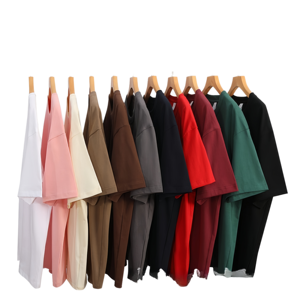
Men's Wholesale 230g Oversized Printed Casual Knitted 100% Cotton T-shirt for Men with Custom Logo
Customization: Screen/DTG Print, Custom Neck Label
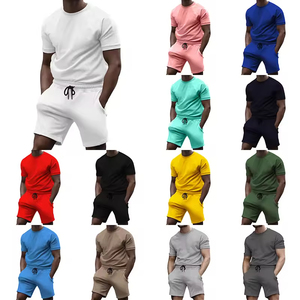
Factory Price Summer Men's Lightweight Sporty Casual Shorts Set with Short Sleeve T-Shirt 2-Piece Tracksuit
Feature: Moisture Wicking, Athletic Fit
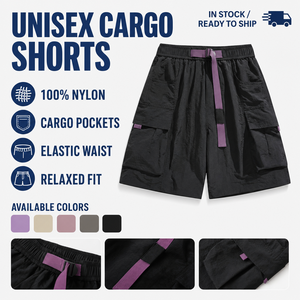
MA8058 OEM Custom Private Label Unisex Cargo Shorts 100% Nylon Lightweight Elastic Waist Side Pocket Streetwear Shorts for Men
Style: Utility Cargo Pockets, Streetwear
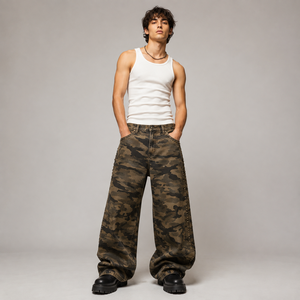
OEM Wholesale Manufacturer Custom Mens Mud Wash Baggy Jeans Oversized Wide Leg Heavyweight Cotton Denim Streetwear Men's Pants
Finish: Vintage Mud Wash, Loose Wide Leg
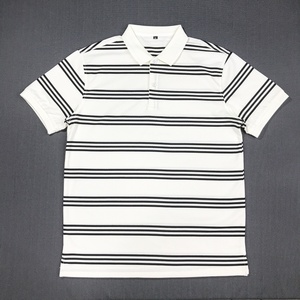
Wholesale Fashion Casual Shirts Classic Fitted Stretch Lapel Short-Sleeved Men's Knitted Breathable Cotton Woven Anti-Wrinkle
Property: Anti-Wrinkle, Breathable Lapel
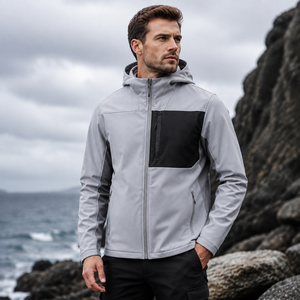
Custom Men's Lightweight Winter Softshell Jacket Outdoor Casual Warm Coat Windproof Jacket Private Label Supplier
Function: Thermal Fleece Interior, Windproof
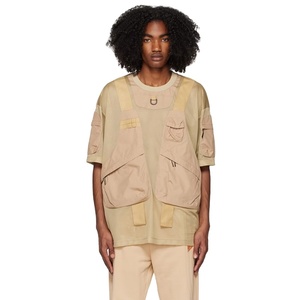
OEM Wholesale Clothing High Quality Street Wear Loose Fit Multi-Pocket Sports Fashion Trendy Cargo T-Shirt for Men
Details: Multi-pocket Accents, Loose Fit
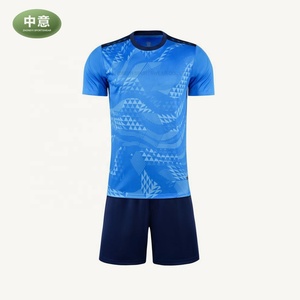
25-26 Wholesale of High-quality Men's Sportswear, Casual Wear, Training Wear and Sportswear From Kanakam Exports
Standards: Export Grade AQL Inspection
Navigating Modern OEM Garment Manufacturing & Supply Chain Resilience
In an era characterized by volatile raw material costs, shifting trade dynamics, and escalating consumer demands for rapid product turnarounds, choosing the right Original Equipment Manufacturer (OEM) and Original Design Manufacturer (ODM) is the single most critical strategic decision for global fashion labels, department store buyers, and e-commerce enterprises.
The Paradigm Shift in Apparel Sourcing
Global apparel procurement has evolved far beyond basic cost-per-unit metrics. Modern procurement directors evaluate manufacturing partners based on Technical Feasibility, Fabric Yield Optimization, Compliance Audits, and Design Flexibility. Kanakam Exports (headquartered in the industrial corridor of Faridabad, India) has led this operational transition since 2005. By combining sophisticated industrial engineering with deep-rooted textile craftsmanship, we provide private label fashion brands with an end-to-end manufacturing infrastructure that eliminates supply chain fragmentation.
Integrating Heritage Artistry & Precision Knits
Unlike standard high-speed commodity factories, our manufacturing ecosystem seamlessly integrates complex artisanal embellishments with modern automated cutting and sewing lines. From intricate traditional hand embroidery (Zardozi, Shibori Tie-Dye, Bandhini, and Block Printing) to high-density heavy-knits (230g+ cotton jersey t-shirts, mud-wash denim, nylon technical activewear, and weatherproof softshells), our dual-line facility empowers brands to construct diverse, market-ready fashion lines under a single consolidated purchase agreement.
Why Global Fashion Brands Partner With Kanakam Exports
Our process-driven framework ensures full risk mitigation across sample prototyping, fabric mill sourcing, bulk cutting, inline AQL quality checks, and international export documentation.
1. Multi-Tiered Quality Control (AQL 1.0–4.0)
Quality assurance is embedded in every stage of production. We execute physical and chemical laboratory testing on incoming yarn and fabric rolls (GSM verification, dimensional stability, colorfastness against rubbing/light, and tensile strength). Our internal audit teams conduct structured inspections at 10% packed (In-Line), 50% packed (Mid-Line), and 100% finished (Final AQL Audit), ensuring zero defect leakage to export containers.
2. Global Sourcing & Raw Material Access
Leveraging strategic partnerships with premier textile mills across India, Italy, China, and Southeast Asia, we source certified organic cotton, recycled polyester (rPET), technical nylon softshells, and luxury woven linens. Our supply chain specialists manage fabric development lead times with precision, guaranteeing consistent dye-lot matching and lab-dip approvals prior to bulk cutting.
3. Rapid CAD Prototyping & Tech Packs
Translating conceptual sketches into production-ready tech packs is our core competency. Utilizing advanced 2D/3D CAD pattern software, our master patternmakers optimize garment grading, seam alignment, and material consumption ratios—reducing pre-production sampling turnaround time down to 7–10 working days while maximizing fabric usage efficiency.
Future Procurement Trends Shaping Apparel Manufacturing
As global supply chains navigate regulatory shifts, sustainability imperatives, and economic realignment, retail buyers must adapt to critical macro-trends defining the next decade of garment production.
Trend 1 Nearshoring vs. Cost-Optimized Offshore Hubs
While nearshoring to high-cost markets offers localized speed, global brands are adopting a "Hybrid Offshore Agile" model. India has emerged as the premier manufacturing node due to its complete vertical integration—from raw cotton fields and synthetic fiber plants to advanced processing mills and skilled artisan clusters. Importers reduce manufacturing costs by 35-50% while maintaining rapid sea and air freight connectivity to Europe, North America, and the Middle East.
- Complete raw material security (No third-country fabric dependence)
- Competitive tariff structures under emerging bilateral trade agreements
- Abundant skilled workforce in technical stitching and artisanal handcraft
Trend 2 Low-MOQ High-Mix Production Agility
The traditional model of ordering 50,000 units per single SKU is rapidly giving way to flexible, demand-driven sourcing. E-commerce platforms and boutique retailers require low Minimum Order Quantities (MOQs) with high style variation to test market sentiment without over-leveraging inventory capital. Forward-thinking OEM factories utilize modular sewing lines to handle small-batch runs (100–500 pieces per style) efficiently.
- Minimized inventory holding risk and markdown losses
- Rapid re-order response times for top-performing inline styles
- Multi-style fabric sharing to optimize raw material purchase thresholds
Trend 3 Sustainable & Traceable Textile Compliance
Regulatory mandates such as the EU Digital Product Passport (DPP) and strict ESG disclosure standards demand total supply chain transparency. Buyers are shifting orders toward audited factories capable of providing certified eco-friendly textiles (GOTS Organic Cotton, OEKO-TEX Standard 100, GRS Recycled Polyester) and compliant wastewater management systems in dyeing and washing facilities.
- Certified eco-dyes with zero harmful chemical discharge (AZO-free)
- Traceable organic and recycled fiber chain-of-custody documentation
- Ethical labor compliance aligning with SEDEX, BSCI, and ISO guidelines
Trend 4 Heavyweight Streetwear & Utility Technical Outerwear
Consumer market analysis reveals exploding global demand for heavyweight 100% cotton garments (230-350 GSM tees, 450 GSM fleece hoodies), vintage distressed mud-wash denim jeans, and functional nylon utility cargo apparel. Sourcing managers must partner with OEMs possessing specialized heavy-duty machinery, vintage wash treatment vats, and technical seam-sealing equipment.
- Heavyweight jersey knit structural retention and anti-pilling treatments
- Specialized garment-wash techniques (Mud wash, acid wash, stone wash)
- Weatherproof softshell bonding with breathable membrane laminates
Industrial Engineering & Next-Gen Manufacturing Innovations
How cutting-edge automation, digital sampling, and technical material science are transforming modern apparel production efficiency.
3D Digital Twin Sampling
By implementing 3D CAD draping and virtual fitting software, OEM apparel manufacturers create hyper-realistic digital prototypes. Brands can evaluate fit tension, drape characteristics, and colorways prior to physical cutting—reducing physical sample iterations by over 60% and slashing pre-production timelines from weeks to days.
Automated Laser Cutting & CNC Spreading
Computerized numerical control (CNC) fabric spreading and multi-ply laser cutters guarantee absolute dimensional accuracy across thousands of garment panels. Automated pattern nesting software optimizes marker efficiency, minimizing fabric waste to under 3% and lowering overall per-unit raw material expenditure.
Smart Performance Finishing
Modern functional textiles demand advanced chemical and mechanical treatments. Our production lines integrate nanotech water-repellent coatings, anti-microbial treatments, UV-30+ protection, and wrinkle-resistant cross-linking finishes for high-performance activewear and classic woven business casual shirts.
Frequently Asked Questions (FAQ) for Garment Sourcing
Critical insights for procurement officers, fashion buyers, and OEM brand directors seeking to streamline global apparel supply chains.
Our flexible manufacturing lines accommodate diverse production scales. Standard custom OEM orders start at 100 to 300 pieces per style/colorway depending on fabric availability. For custom-dyed specialized textiles or complex wash treatments, MOQs are customized to align with fabric mill minimums.
We operate under international AQL (Acceptable Quality Limit) 1.0 to 4.0 standards. Our certified QC team conducts incoming fabric testing (GSM, shrinkage, colorfastness), 10% in-line stitching audits, 50% mid-line inspections, and 100% final packing audits before container loading.
To provide precise FOB/CIF pricing and commence sampling, we require a comprehensive Tech Pack including line art/sketches, BOM (Bill of Materials), measurement spec sheets with tolerances, Pantone color codes, fabric weight (GSM), and packaging art specs. If you lack a complete Tech Pack, our design team can build one from your physical sample.
Pre-production proto samples and lab dips are typically delivered within 7 to 12 working days. Upon sample sign-off and deposit confirmation, bulk manufacturing lead times range between 30 to 45 days depending on raw material sourcing and order volume.
Yes. We specialize in blending industrial garment manufacturing with authentic Indian heritage craftsmanship—including Zardozi embroidery, Shibori and Bandhini tie-dye, hand block printing, and custom crochet—delivering high-value artisanal differentiation for global luxury fashion labels.
Absolutely. We offer full turnkey private label manufacturing: custom woven neck labels, heat-transfer care labels, branded hangtags, barcode stickers, eco-friendly polybags, and customized carton packaging engineered for retail display or direct e-commerce fulfillment.
Ready to Scale Your OEM Garment Manufacturing?
Partner with Kanakam Exports—India's trusted readymade garment manufacturer and exporter since 2005. Get custom factory pricing, technical fabric consults, and fast sample turnarounds today.
Contact Us