Navigating Custom OEM Technical Outerwear Manufacturing: Architecture, Materials & Mill Partnering
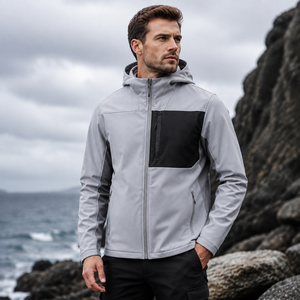
The global market for technical outerwear has undergone a radical structural shift. No longer confined to niche extreme mountaineering gear, functional outerwear—encompassing hard shells, 3-layer laminated softshells, insulated parkas, and urban tactical apparel—now occupies a dominant position in premium menswear and active lifestyle segments. For global apparel brands, private labels, and procurement directors, evaluating and selecting a **custom OEM technical outerwear factory** requires deep scrutiny into material science capabilities, seam construction technologies, supply chain transparency, and rigorous quality assurance frameworks.
3-Layer Membrane Construction
Integration of expanded Polytetrafluoroethylene (ePTFE) and Thermoplastic Polyurethane (TPU) monolithic membranes bonded between high-tenacity face nylon and micro-grid backer fabrics.
Fully Sealed Seam Integrity
Hot-air taped seams utilizing 2-layer and 3-layer polyurethane seam sealing tapes (0.15mm - 0.22mm thickness) engineered to withstand 30+ industrial wash cycles without delamination.
Eco-Friendly DWR Finishes
Transitioning to PFC-Free (C0) Durable Water Repellent chemistry, delivering high water beadability while complying with ZDHC MRSL and EU REACH environmental mandates.
Technical Outerwear Fabric Performance Matrix
Understanding performance specifications is crucial for product developers matching shell performance with end-use environment.
| Outerwear Category | Fabric Composition | Hydrostatic Head (Waterproof) | MVTR Breathability (g/m²/24h) | Primary Technical Features |
|---|---|---|---|---|
| Expedition Hard Shell | 100% Recycled Nylon 70D 3L ePTFE | 20,000mm+ (ISO 811) | 20,000 - 25,000 | Fully Taped, YKK AquaGuard® Zippers, Helmet-Compatible Hood |
| Alpine Softshell | 90% Nylon, 10% Elastane 4-Way Stretch | 10,000mm (JIS L1092) | 15,000 - 18,000 | Bonded Fleece Backer, Windproof Membrane, Articulated Sleeves |
| Urban Technical Parka | 200 GSM Cotton-Nylon Blend / PU Coating | 8,000mm - 10,000mm | 10,000 | Synthetic/Down Insulation, Critically Taped Seams, Storm Flap |
| Lightweight Packable Windbreaker | 20D Micro-Ripstop Polyester (PFC-Free C0) | 3,000mm (Water Resistant) | 12,000 | Ultralight weight (<180g), Laser-Cut Ventilation, Packable Pocket |
Future Sourcing & Procurement Trends in Technical Outerwear (2025-2030)
1. Mono-Material Recyclability & Circularity
Future-ready technical outerwear sourcing focuses on mono-material jacket designs—where face fabric, membrane, seam tape, and zippers are all engineered from 100% Polyester (PET). This allows garments to enter garment-to-garment chemical recycling loops without manual disassembling of trims, satisfying forthcoming EU Digital Product Passport (DPP) regulations.
2. Automated Ultrasonic Seam Welding
Traditional needle stitching creates thousands of micro-perforations that compromise waterproofness. Leading OEM outerwear factories are replacing standard sewing with stitchless ultrasonic bonding and laser cutting. This results in sleek, ultra-flat seam profiles that reduce weight by up to 15% while maximizing tensile seam strength.
3. Nearshoring & Hybrid Supply Chain Agility
To combat geopolitical disruptions and excessive freight lead times, top-tier apparel brands are diversifying away from single-country manufacturing. Established export hubs with strong textile heritage—such as India's premier garment manufacturing clusters—are experiencing rapid growth due to integrated fabric sourcing networks, raw material availability, and competitive labor structures.
4. Smart Thermoregulation & Bio-Based Insulation
Procurement managers are replacing traditional petroleum-derived polyester padding with bio-based insulation materials (derived from corn glucose, recycled ocean plastics, or sustainable kapok fibers). Paired with phase-change material (PCM) linings, next-gen outerwear dynamically regulates body thermal temperature during high-output activity.
Why Partner With Us: Our Technical Manufacturing Edge
Building upon over two decades of export manufacturing excellence (Established 2005), our facility combines high-precision garment engineering with traditional craftsmanship to serve over 200 global brand partners across 50+ countries.
Process-Driven Quality Control (AQL 1.0 - 4.0)
Our quality assurance framework implements rigorous inline, mid-line (50% packed), and final (100% packed) inspection protocols. We operate full physical and chemical testing parameters, guaranteeing hydrostatic head compliance and colorfastness.
Global Fabric & Trim Sourcing Network
Direct supply chain partnerships with world-class textile mills in India, Italy, China, and Taiwan. We source technical 3L membranes, high-density Cordura® nylons, heavy 230g+ combed cottons, and custom YKK weather-sealed zippers.
Artisan Heritage & Technical Embroidery Integration
Uniquely positioning our factory, we seamlessly fuse technical weather-shield shell manufacturing with intricate hand embroidery, Zardozi embellishments, Shibori tie-dye, and specialized garment wash treatments (mud wash, acid wash, mineral wash).
Transparent Communication & Ethical Compliance
Operating out of fully compliant, ISO-certified industrial facilities in Faridabad (DLF Industrial Area), India. We maintain 100% transparent order tracking, responsive tech-pack conversions, and strict adherence to fair labor standards.
Frequently Asked Questions: Technical Outerwear OEM Sourcing
What is the Minimum Order Quantity (MOQ) for custom technical outerwear manufacturing?
Our flexible manufacturing lines support custom OEM outerwear orders starting from 300 to 500 pieces per style/colorway for specialized technical fabrics (due to custom fabric dyeing and membrane laminating minimums). For stock technical fabrics or knitted/woven base items, lower MOQ thresholds can be negotiated.
How do you test and verify the waterproof rating of taped seam outerwear?
Every waterproof jacket lot undergoes hydrostatic head testing according to ISO 811 and AATCC 127 standards. We test both raw laminated fabric and taped seam junctions under hydrostatic pressure up to 20,000mm H2O. Additionally, finished samples undergo Suter pressure testing and rain tower testing to verify zero water ingress.
Can your factory execute custom OEM tech packs from initial design sketches?
Yes. Our in-house R&D apparel engineering team accepts complete tech packs, 3D CAD files, or physical reference samples. We provide end-to-end pattern drafting, grading, prototype sampling, seam sealing tape calibration, and fit approval cycles prior to bulk production launch.
What is the typical production lead time for bulk technical outerwear orders?
Sample development typically takes 10 to 15 business days upon fabric availability. Bulk production lead time ranges from 45 to 60 days following Pre-Production Sample (PPS) approval and lab-dip color strike-off confirmation, depending on custom membrane milling lead times.
Do you supply eco-friendly and certified recycled technical textiles?
Absolute transparency is our standard. We source Global Recycled Standard (GRS) certified 100% recycled nylon/polyester, OEKO-TEX Standard 100 non-toxic fabrics, and GOTS-certified organic cotton for knitted base layers and linings, complete with full transaction certificates (TC).