Featured OEM/ODM Production Sample Collections
Explore our benchmark technical samples engineered across heavy knits, functional softshells, high-density cotton denim, and artisan-embellished garments.
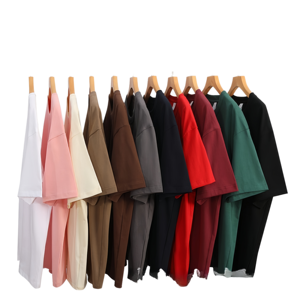
Men's Wholesale 230g Oversized Printed Casual Knitted 100% Cotton T-shirt for Men with Custom Logo
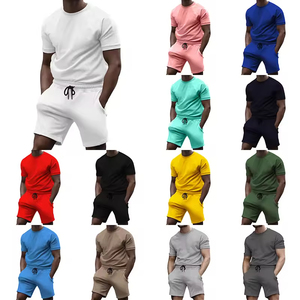
Factory Price Summer Men's Lightweight Sporty Casual Shorts Set with Short Sleeve T-Shirt 2-Piece Tracksuit
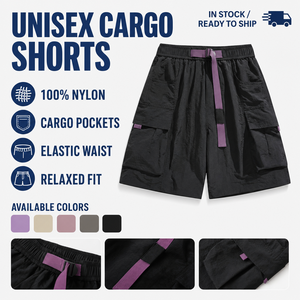
MA8058 OEM Custom Private Label Unisex Cargo Shorts 100% Nylon Lightweight Elastic Waist Side Pocket Streetwear Shorts
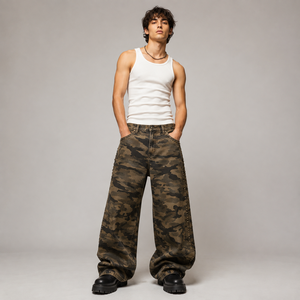
OEM Wholesale Manufacturer Custom Mens Mud Wash Baggy Jeans Oversized Wide Leg Heavyweight Cotton Denim Streetwear Pants
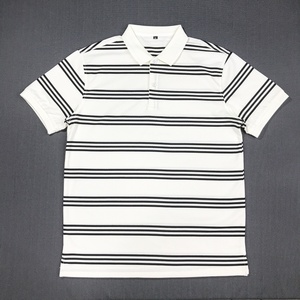
Wholesale Fashion Casual Shirts Classic Fitted Stretch Lapel Short-Sleeved Men's Knitted Breathable Cotton Anti-Wrinkle
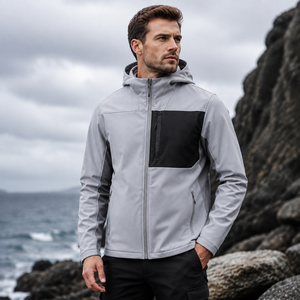
Custom Men's Lightweight Winter Softshell Jacket Outdoor Casual Warm Coat Windproof Jacket Private Label Supplier
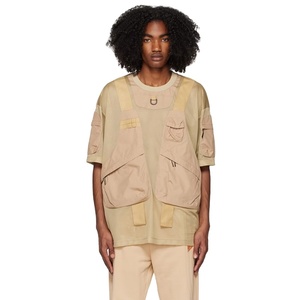
OEM Wholesale Clothing High Quality Street Wear Loose Fit Multi-Pocket Sports Fashion Trendy Cargo T-Shirt for Men
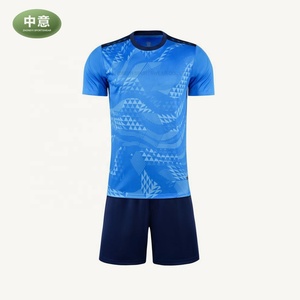
2025-2026 Wholesale High-Quality Men's Sportswear, Casual Wear, Training Wear & Performance Apparel Manufacturing
The Strategic Imperative of Advanced Garment Sampling in Modern Apparel Supply Chains
In the hyper-competitive global apparel market, pre-production garment sampling serves as the critical bridge between conceptual fashion design and commercial-scale manufacturing. As brands face tightening product release windows, shifting consumer demands, and increasing pressure for sustainable manufacturing, the traditional sampling model—plagued by multi-week delays, inaccurate tech pack translations, and poor material fidelity—has become obsolete. Modern apparel enterprise procurement directors now view OEM (Original Equipment Manufacturing) and ODM (Original Design Manufacturing) garment sampling not merely as a cost center, but as a strategic lever for risk mitigation, speed-to-market, and margin protection.
Deconstructing the Dual Sampling Ecosystem: OEM vs. ODM Protocols
Navigating global textile manufacturing requires a granular understanding of the operational distinctions between OEM and ODM sampling methodologies. A sophisticated sampling partner must seamlessly flex between client-supplied technical packages and in-house conceptual development:
OEM Sampling Framework
Designed for established apparel houses with dedicated technical design teams. OEM sampling focuses on 100% adherence to buyer-provided Tech Packs, including exact CAD grading rules, stitch-per-inch (SPI) densities, trim specs, and custom wash formulas. The supplier acts as a precision executor.
ODM Sampling Framework
Engineered for brands seeking white-label expansion or market-ready collection development. Leveraging extensive fabric libraries, seasonal trend forecasting, and proprietary fit patterns, the supplier engineers the product from concept to fit sample, significantly shortening initial R&D cycles.
Hybrid Artisanal Sampling
Merging modern industrial garment construction with heritage craft techniques such as hand Zardozi embroidery, Shibori tie-dyeing, and block printing. Requires specialized sampling units to ensure handcrafted art can be standardized for scalable export quality.
Future Sourcing & Apparel Sampling Trends (2025–2030)
Key shifts reshaping global garment procurement, prototyping technologies, and factory-brand collaboration models.
The apparel sourcing landscape is undergoing a structural transformation driven by digital integration, sustainability mandates, and the shift toward micro-batch procurement. Enterprise buyers must align with manufacturing partners who invest in next-generation sampling technologies.
| Evaluation Parameter | Legacy Garment Sampling (Traditional) | Advanced OEM/ODM Sampling (2025 Standard) | Impact on Brand ROI & Supply Chain |
|---|---|---|---|
| Prototyping Speed | 21–35 Business Days per iteration | 5–7 Days (3D CAD + Rapid Physical Sampling) | 75% Reduction in Time-to-Market |
| Fabric Waste | High pattern scrap rate (15-22% material loss) | Zero-Waste Digital Nesting & Precision Laser Cutting | Significant Raw Material Cost Savings |
| Fit Precision | Manual physical fitting sessions; high error rate | 3D Digital Twin Avatars & Tension Heatmaps | First-Pass Approval Rates exceeding 98% |
| Quality Governance | Post-production end-of-line inspections | Integrated AQL 1.0–4.0 In-Line Pre-Production Checks | Near-Zero Batch Rejection & Return Rates |
| Traceability | Paper-based spec sheets and fragmented emails | Digital Product Passports (DPP) & RFID Tracking | Full Compliance with EU/US Environmental Mandates |
1. 3D Digital Simulation & Virtual Twin Fitting
The integration of 3D virtual fashion rendering engines (such as CLO 3D and Browzwear) directly into factory sampling workflows allows buyers to evaluate fabric drape, seam stretch, and silhouette stress points virtually before cutting physical cloth. This hybrid digital-physical sampling workflow eliminates 2 to 3 physical counter-sample revisions, preserving capital and accelerating pre-season marketing campaigns.
2. Low-MOQ Micro-Batch Validation
Global retailers are abandoning massive speculative inventory commitments in favor of market-test sampling models. Modern suppliers must offer agile sampling lines capable of transitioning directly into flexible small-batch production (100–300 pieces per style). This enables real-time retail validation without exposing brands to deadstock liabilities.
Enterprise Manufacturing Infrastructure & Technical Superiority
Backed by 20+ years of operational excellence in Faridabad, India, Kanakam Exports combines industrial power with artisanal mastery.
ISO-Certified & AQL 1.0–4.0 Quality Protocols
Our manufacturing facility enforces rigorous Quality Management Systems (QMS). Every sample undergoes comprehensive physical testing: tensile seam strength (ASTM D1683), dimensional stability after washing (AATCC 135), and color fastness under light and rubbing (ISO 105).
Global Raw Material Sourcing Network
Direct mill partnerships across India, Italy, Japan, and China ensure rapid access to high-grade 100% combed cottons, recycled polyesters, technical nylons, organic linens, and specialized functional trims—offering unmatched fabric versatility for custom sampling.
Heritage Craft Integration
We empower regional artisan communities specializing in authentic Indian textile arts—including Bandhini tie-dye, traditional block printing, hand-woven Ikat, and intricate metallic Zardozi embroidery—scaled for export quality consistency.
Our 4-Stage Precision OEM/ODM Sampling Lifecycle
Tech Pack & Spec Audit
In-depth review of CAD files, grading tables, Bill of Materials (BOM), and stitch specifications to establish zero-defect tolerance baselines.
Sourcing & Lab Dips
Rapid fabric substrate procurement, Pantone color matching via spectrophotometer lab dips, and strike-off approvals for prints and embroideries.
Proto & Fit Sampling
Precision pattern drafting, laser cutting, skilled assembly, and live-model/avatar fitting evaluation to verify ergonomic drape and movement.
TOP Approval & Handover
Final Top-of-Production (TOP) sample delivery complete with sealed golden sample documentation ready for seamless mass production scaling.
Garment Sampling & Manufacturing FAQ
Authoritative answers to critical questions faced by apparel buyers, sourcing agents, and brand managers.
What is the typical lead time for custom OEM/ODM proto sample development?
Standard prototype sample lead times range from 7 to 10 business days upon receipt of the finalized Tech Pack and raw material approvals. For styles utilizing available in-stock fabrics, rapid prototyping can be compressed to 3 to 5 business days. Specialized custom-milled fabrics, custom dye lots, or intricate hand embroideries (e.g., Zardozi) may extend sampling lead time to 14–18 business days.
What specific documentation is required to initiate an OEM sample order?
To ensure 100% precision, buyers should provide a comprehensive Technical Package (Tech Pack) containing: vector garment flat sketches (front/back/interior), measurement specification charts across desired size ranges, Bill of Materials (BOM) specifying trims/thread/zippers, artwork placement files (AI/PDF 1:1 scale), Pantone (TPX/TCX) color references, and preferred seam construction details (e.g., flatlock, overlock, French seams).
How do you enforce quality control standards between approved samples and bulk production?
We operate under a strict Sealed Golden Sample Protocol. Once a sample is approved by the client, it is digitally documented and locked in our quality assurance vault. Bulk production is governed by AQL 1.0 (Critical Defects), AQL 2.5 (Major Defects), and AQL 4.0 (Minor Defects) standards. In-line quality inspectors continuously measure live production garments against the sealed Golden Sample tolerance thresholds.
What are your Minimum Order Quantities (MOQ) for small-batch custom production?
While our production infrastructure is built for high-volume exports, we support emerging and boutique high-fashion brands through flexible micro-batch sampling and production. Our standard bulk MOQ begins at 100 to 300 pieces per style/colorway depending on fabric availability, making it easy for buyers to test market demand before committing to major volume runs.
How are artisan techniques like Shibori, Bandhini, and Block Printing standardized for scale?
Handcrafted artisan techniques possess natural micro-variations that define their authentic character. To standardize these for global retail export, we establish Visual Master Reference Libraries during the sampling stage. We define strict acceptable limits for dye intensity, pattern spacing, and motif density, ensuring that every handcrafted production garment falls within verified client-approved tolerances.
Do you handle international export documentation, logistics, and compliance testing?
Yes. Operating as a full-service manufacturer and exporter since 2005, Kanakam Exports manages end-to-end export compliance—including Certificates of Origin, GSP documentation, customs clearance papers, and REACH/OEKO-TEX safety compliance testing. We ship seamlessly via DDP, FOB, CIF, or Ex-Works based on buyer preference.
Ready to Accelerate Your Apparel Sampling Cycle?
Partner with India's premier ISO-certified OEM/ODM garment manufacturer. Submit your Tech Pack or design brief today to receive an expert technical evaluation, cost breakdown, and rapid sample turnaround schedule.