Global OEM/ODM Organic & Sustainable Apparel Products
Engineered for commercial wholesale compliance, customized branding, and high-density performance weaves.
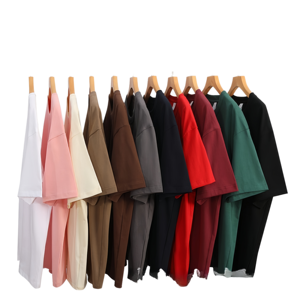
Men's Wholesale 230g Oversized Printed Casual Knitted 100% Cotton T-shirt
Get Catalog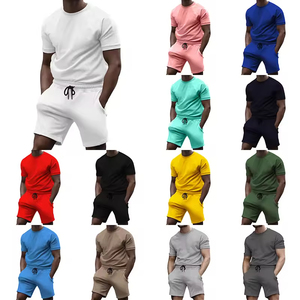
Summer Lightweight Sporty Casual Shorts Set 2-Piece Tracksuit
Get Catalog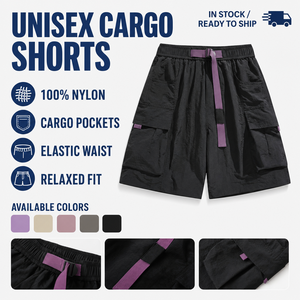
OEM Custom Private Label Unisex Cargo Shorts Streetwear Pants
Get Catalog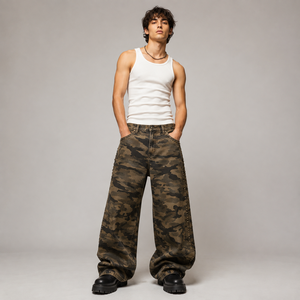
OEM Custom Mud Wash Baggy Heavyweight Cotton Denim Jeans
Get Catalog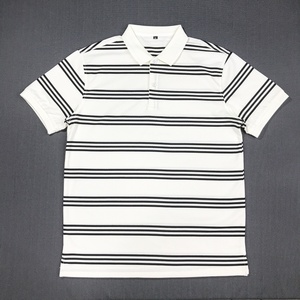
Wholesale Classic Fitted Stretch Knitted Breathable Cotton Shirts
Get Catalog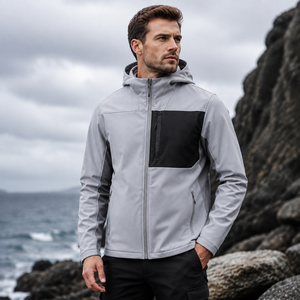
Custom Lightweight Winter Softshell Windproof Outdoor Warm Coat
Get Catalog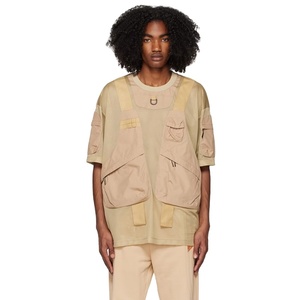
OEM Wholesale Streetwear Loose Fit Multi-Pocket Sports Cargo T-Shirt
Get Catalog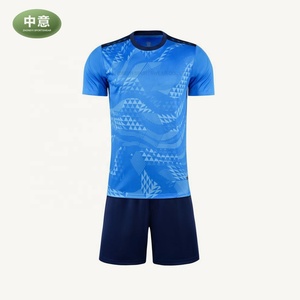
Wholesale High-Quality Men's Training & Casual Sportswear Sets
Get CatalogStrategic Paradigm: Organic Cotton Apparel Manufacturing Ecosystems
The international textile landscape is undergoing a systemic structural pivot toward verified sustainability, stringent chemical safety, and ethical labor accountability. For global fashion conglomerates, private label apparel brands, and boutique retailers, evaluating an OEM/ODM Organic Cotton Clothing Wholesale Manufacturer is no longer merely a financial negotiation over cut-and-make (CMT) rates. It is an auditing process of supply chain transparency, fiber origin verification, and environmental compliance frameworks.
Conventional cotton production consumes approximately 16% of global insecticides while depleting vast groundwater reserves. In stark contrast, certified organic cotton agriculture prohibits synthetic pesticides, toxic defoliants, and genetically modified seeds (GMOs). When partnering with advanced industrial manufacturing hubs, enterprise buyers gain access to GOTS (Global Organic Textile Standard) and OCS (Organic Content Standard) compliant supply networks that ensure every gram of raw fiber is fully traceable from farm gate to retail rack.
GOTS Traceability
Dual Transaction Certificate (TC) verification at every stage of ginning, spinning, knitting, and garment processing guaranteeing zero contamination.
OEKO-TEX Standard 100
Strict toxicological screening prohibiting formaldehyde, heavy metals, toxic AZO dyes, and carcinogenic finishing chemical agents.
Low-Impact Closed Loop
Effluent Treatment Plants (ETP) recycling over 95% of process water, maintaining zero liquid discharge (ZLD) during industrial washing cycles.
Future Procurement Trends: Re-Engineering Wholesale Apparel Sourcing
Key operational shifts that procurement officers and global buyers must navigate over the next 5-year cycle.
1. Digital Product Passports (DPP) & Blockchain Origin Audit
Regulatory compliance under European Union Green Claims directives requires brand importers to provide full supply chain transparency. Modern organic cotton factories are deploying QR-coded end-to-end blockchain tagging. From single-origin organic cotton farms in India and Central Asia to spinning mills, every manufacturing step is documented in real-time.
- Batch-level fiber genetic DNA testing.
- Real-time Scope 1, 2, and 3 carbon emissions tracking per garment unit.
- Verifiable transaction certificates delivered directly into client ERP systems.
2. Ultra-Heavyweight Organic Weaves & Streetwear Engineering
Consumer preferences have shifted decisively toward high-GSM (Grams per Square Meter) fabrics characterized by high structure, longevity, and tactile luxury. Modern OEM manufacturing capabilities have expanded from traditional 160 GSM single jersey knits to 280 GSM to 500 GSM heavyweight organic cotton french terry, mud-wash denim, and interlock structures engineered for premium streetwear.
- Combed compact organic yarns preventing pilling under industrial washing.
- Natural mineral washing (Mud Wash, Ozone Wash, Bio-Enzyme Stonewashing).
- High-durability structural reinforcement for unisex baggy cuts and cargo silhouettes.
3. Low-MOQ Agile OEM/ODM Supply Chain Architectures
The legacy paradigm of requiring 5,000-piece minimum order quantities (MOQs) per style is being dismantled. High-efficiency factories utilize automated CAD laser cutters, modular stitching units, and digital direct-to-garment (DTG) printing lines to facilitate dynamic, low-risk inventory replenishment.
- Low MOQs starting from 100-300 pieces per custom colorway.
- Rapid prototyping and 3D CLO digital sampling within 72 hours.
- Integrated inventory forecasting and fabric greige buffer management.
4. Regenerative Agriculture & Circular Textile Innovations
Forward-looking brand buyers are transitioning from standard organic sourcing to Regenerative Organic Certified (ROC) materials that actively restore topsoil microbiology, enhance biodiversity, and sequester carbon. Furthermore, factories are blending virgin organic cotton with pre-consumer recycled cotton waste to achieve circular loop sustainability.
- Post-industrial waste sorting and mechanical fiber recycling.
- Zero synthetic elastane integration through natural mechanical stretch spinning.
- 100% biodegradable garment trims, cotton sewing threads, and paper packaging.
Garment Development & Material Technical Innovation
Deep engineering insights into organic fabric construction, dyeing chemistry, and custom private label manufacturing.
Combed Compact Spinning
Eliminating short fibers to achieve ultra-smooth yarn surfaces. Compact spinning reduces yarn hairiness by up to 80%, providing an ideal canvas for high-resolution screen printing and embroidery.
Cationic & Botanical Dyeing
Utilizing plant-based pigments derived from agricultural waste (pomegranate rinds, madder root, indigo) alongside low-impact reactive dyes with colorfastness ratings exceeding 4.5 grades.
Handcrafted Artisan Techniques
Integrating heritage craftsmanship such as hand block printing, Shibori tie-dyeing, Bandhini, and intricate Zardozi embroidery into modern commercial sportswear and luxury leisurewear.
Enterprise Manufacturing Infrastructure & Technical Capabilities
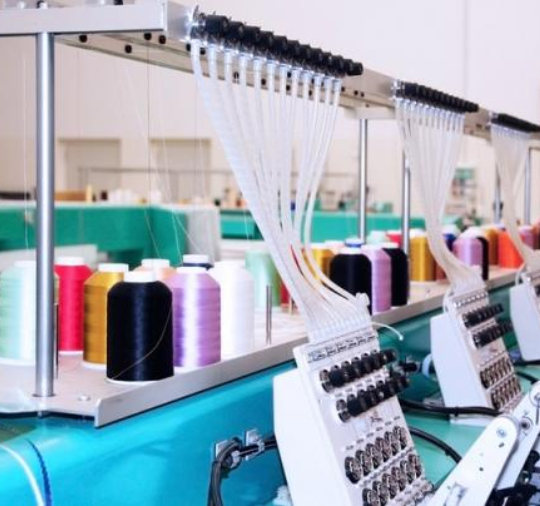
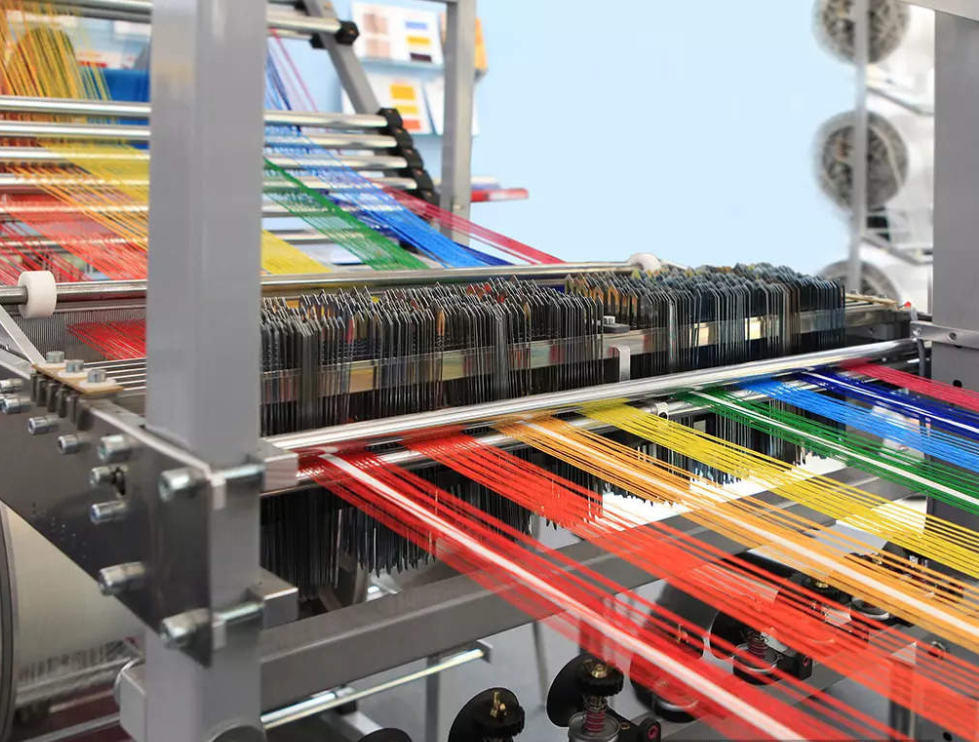
Leveraging over two decades of OEM/ODM garment exporting mastery with process-driven industrial precision.
Design & Prototyping
In-house fashion design team delivering full tech pack creation, trend forecasting, and physical sampling within 7 to 10 working days.
Global Fabric Network
Direct partnerships with certified organic mills across India, Italy, and East Asia to ensure stable pricing and mill-gate raw material supply.
Complete Private Labeling
End-to-end brand integration including woven neck labels, organic cotton care tags, custom eco-hangtags, and biodegradable polybags.
Global Freight Compliance
Full compliance with international customs regulations, DDP/FOB/CIF shipping terms, and duty-free trade documentation.
Frequently Asked Questions (FAQ) for Wholesale Sourcing
Addressing critical commercial, technical, and operational queries from global apparel procurement teams.
Q1: What is the difference between OEM and ODM organic cotton clothing manufacturing?
OEM (Original Equipment Manufacturer): Under an OEM contract, our factory manufactures garments strictly according to your provided design specifications, tech packs, measurements, and material bill of materials (BOM). You maintain 100% proprietary ownership of the design patterns.
ODM (Original Design Manufacturer): Under ODM services, our in-house design team provides pre-developed, market-tested organic garment styles, complete with pre-approved patterns and fabric formulations. You simply select the styles and apply your custom private label branding, colorways, and artwork.
Q2: How do you verify that the cotton used is genuinely 100% organic?
Authenticity is verified through a chain-of-custody documentation model governed by GOTS (Global Organic Textile Standard) or OCS (Organic Content Standard). Each shipment is backed by a Scope Certificate (SC) confirming our facility's certified status, alongside a specific Transaction Certificate (TC) issued by accredited certification bodies (such as Control Union or Ecocert) for every batch of raw cotton purchased and processed. Additionally, we conduct quantitative GMO screen testing on raw fiber lots.
Q3: What are your Minimum Order Quantities (MOQs) for wholesale custom apparel orders?
Our flexible manufacturing lines accommodate varying scale requirements:
• Standard Custom OEM/ODM Orders: 200 – 300 pieces per style/colorway.
• Heavyweight & Specialty Knits (e.g., French Terry Hoodies, Mud-Wash Denim): 100 – 200 pieces per style.
• Large-Scale Enterprise Wholesale: 5,000+ pieces with scaled volumetric price discounts.
We also provide sample production runs for prototype evaluation prior to full production sign-off.
Q4: How do you control shrinkage and colorfastness in organic cotton knits?
Because organic cotton cannot be treated with harsh synthetic resin finishes, we employ mechanical pre-shrinking technologies such as Compacting and Sanforization. This ensures residual garment shrinkage is controlled within international retail allowances (< 3% to 5% after home laundering). Colorfastness is guaranteed up to Grade 4+ through GOTS-approved low-impact reactive dyes processed in temperature-controlled dyeing vessels.
Q5: What are the standard lead times for prototyping and bulk production?
• Sample & Prototype Development: 7 to 10 business days following tech pack confirmation.
• Bulk Manufacturing Lead Time: 30 to 45 business days upon sample approval and lab dip/strike-off sign-off, depending on fabric availability and total order volume.
Accelerated rush options are available for ongoing replenishment lines with pre-stocked greige fabric buffers.
Q6: Can your factory support eco-friendly packaging and custom private labeling?
Yes, we offer complete full-package solutions. We supply 100% organic cotton woven brand labels, printed care tags, FSC-certified recycled paper hangtags, non-toxic soy-based ink printing, and compostable PLA or recycled polybags tailored to meet your brand's retail guidelines.
Partner with a World-Class Organic Apparel Manufacturer
Access our complete 2025–2026 wholesale product catalog, request fabric swatches, or initiate a custom OEM/ODM quotation with our technical apparel production team.