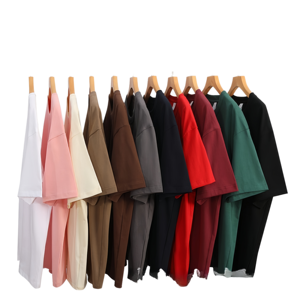
Direct-From-Factory Lineup
Featured Performance & Streetwear Collections
Precision-manufactured utilizing advanced dye-sublimation, reactive printing, high-density cotton weaving, and softshell weatherproofing for international apparel brands.
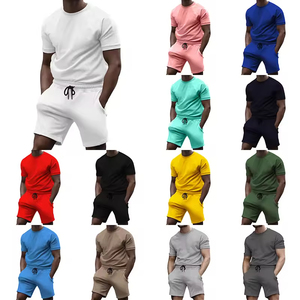
Factory Price Summer Lightweight Sporty Casual Shorts & T-Shirt 2-Piece Set
Inquire Now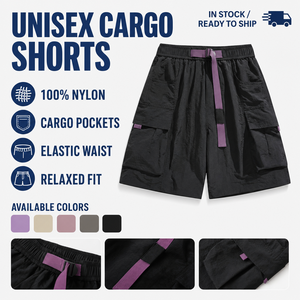
MA8058 OEM Custom Private Label Unisex 100% Nylon Lightweight Cargo Shorts
Inquire Now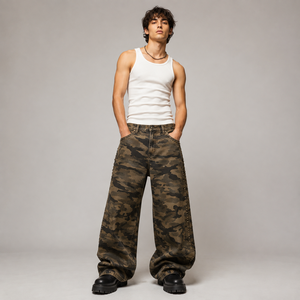
OEM Custom Mens Mud Wash Baggy Jeans Oversized Heavyweight Denim Pants
Inquire Now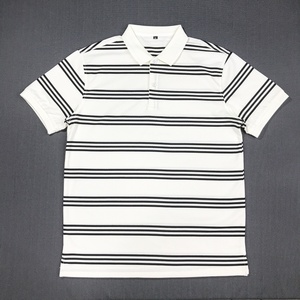
Wholesale Classic Fitted Stretch Lapel Knitted Breathable Anti-Wrinkle Shirt
Inquire Now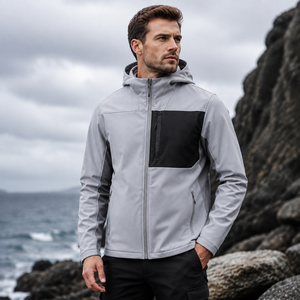
Custom Men's Lightweight Winter Softshell Windproof Outdoor Coat Jacket
Inquire Now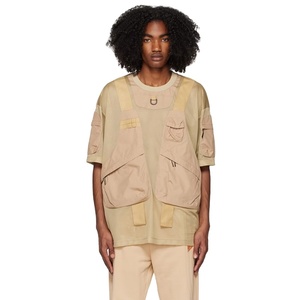
High Quality Loose Fit Multi-Pocket Sports Fashion Streetwear Cargo T-Shirt
Inquire Now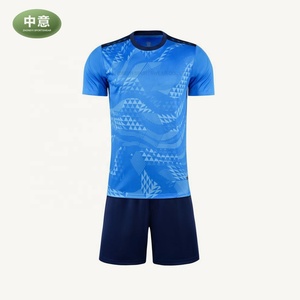
Pro-Line Wholesale Men's Athletic Sportswear & Performance Training Wear
Inquire Now
Manufacturing Excellence
Industrial Garment Engineering & Supply Chain Mastery
Bridging authentic artisanal heritage with modern high-speed dye-sublimation manufacturing ecosystems. Delivering process-driven reliability for global apparel brands and retail chains.
Sublimation & Dye Printing Precision
Utilizing eco-friendly Italian Kian and J-Teck disperse inks paired with high-temperature flatbed vacuum presses (200°C–215°C). We achieve molecular-level fiber bonding that resists fading, peeling, and cracking even under extreme wear.
AQL 1.0–4.0 Quality Assurance
Full compliance with international Acceptable Quality Limit protocols. From raw yarn inspection to 10% in-line packing, 50% mid-line evaluation, and 100% final shipment audits, our certified garment engineers eliminate defects proactively.
Global Fabric Sourcing Network
Direct partnerships with premier textile mills in Italy, Japan, Taiwan, and India. Sourcing high-tensile 100% micro-polyester, recycled PET (rPET), anti-bacterial spandex blends, and heavy-weight 230g-400g combed cottons.
Artisan Heritage Integration
Empowerment of regional artisan communities. Seamlessly fusing modern activewear cuts with traditional hand-embroidery, Shibori tie-dye, Zardozi embellishments, and block printing for high-concept luxury collections.
Rapid OEM/ODM Prototyping
Agile pattern engineering and CAD grading system. We convert buyer tech packs into physical 3D-fitted samples within 3 to 5 business days, drastically compressing product development lifecycles for fast-fashion cycles.
Dedicated B2B Account Steering
Systematic order tracking via custom ERP solutions. Buyers receive real-time production milestone reporting, transparent component costing, and end-to-end export documentation management.
Technical Whitepaper
Material Science & Dye-Sublimation Thermal Dynamics
In modern sportswear manufacturing, sublimation printing represents the pinnacle of graphic permanence, breathability, and design freedom. Unlike traditional screen printing or direct-to-garment (DTG) applications—which deposit heavy plastisol or water-based inks onto the surface of the fabric—dye sublimation is an endothermic chemical process. Under precise thermal conditions (typically 190°C to 215°C) and pressure (4 to 6 bar), solid disperse dyes transition directly into a gaseous state without passing through a liquid phase.
At this specific sublimation temperature, the synthetic polymer chains within polyester or polyamide fibers expand, opening micro-pores. The gaseous dye penetrates deep into the polymer matrix. As the fabric cools, the polymer pores close, trapping the pigment permanently inside the synthetic filament. This structural integration yields critical performance benefits for elite athletic wear:
Information Gain Insight: Surface-printed athletic apparel blocks synthetic fabric mesh pores, reducing breathability by up to 42%. Molecular dye sublimation maintains 100% of the fabric's native moisture-wicking and air-permeability parameters (Hydrophilic MMF Rating).
| Performance Metric | Dye-Sublimation (OEM Standard) | Screen Printing (Plastisol) | Direct-to-Garment (DTG) |
|---|---|---|---|
| Breathability & Moisture Wicking | Unaffected (100% Pore Open Ratio) | Severely Restricted (-42% Flow) | Moderately Restricted (-18% Flow) |
| Color Fastness to Washing (ISO 105-C06) | Grade 4.5 – 5.0 (Zero Bleed) | Grade 3.0 – 4.0 (Cracking over time) | Grade 3.5 – 4.0 (Fading over washes) |
| Hand-Feel / Surface Weight | Zero Weight Addition (Soft Touch) | Heavy Rubberized Film Added | Slight Stiffness / Residue |
| Stretch & Elastic Recovery | 100% Stretch Compatibility (Spandex Safe) | Prints Crack Under >20% Elongation | Micro-Fissures under high tension |
| Pantone Matching Accuracy | Delta E < 1.2 (TCX/TPX Vectorized) | Delta E 2.0 - 3.5 | Delta E 2.5 - 4.0 |
Future Outlook 2025–2030
Strategic Global Sourcing & Manufacturing Trends
How leading sports brands, club buyers, and private labels are navigating the shift toward sustainable polymers, digital supply chains, and zero-inventory manufacturing.
1. Recycled PET (rPET) & Bio-Synthetics Transition
Global environmental regulations (such as EU Eco-Design Directives) are driving a rapid transition from virgin petroleum-based polyester to GRS-certified (Global Recycled Standard) post-consumer recycled PET. Modern sublimation OEM factories must calibrate heat press dwell time and tension control, as rPET fibers exhibit a slightly lower thermal melting threshold (approx. 5°C lower than virgin polyester). Our production lines feature dual-zone infrared thermal sensors to ensure flawless sublimation transfer without degrading structural tensile strength.
2. On-Demand Micro-Batch Production Models
The traditional 180-day seasonal procurement cycle is quickly giving way to agile 14-day micro-batch fulfillment. Brands now test localized market demand with low-MOQ runs (50-100 pieces per design) before committing to mass production. By replacing analog rotary screen preparation with high-throughput single-pass digital inkjet printers (handling up to 600 linear meters per hour), our factories eliminate setup costs, allowing clients to scale orders dynamically based on live point-of-sale data.
3. AI-Driven Automated Marker & Nesting Efficiency
Fabric waste represents up to 25% of total garment manufacturing costs. Next-generation ODM facilities utilize artificial intelligence nesting algorithms that analyze pattern geometries in real-time. By optimizing vector layouts on transfer paper before printing, raw material utilization rates exceed 92%, drastically lowering unit costs for large volume sportswear procurements while minimizing environmental scrap.
4. Smart Textiles & Hybrid Fabric Integration
The future of sublimation apparel lies in multi-functional hybrid textiles. We are pioneering the bonding of sublimation-printed outer polyester faces with internal silver-ion anti-bacterial grids, phase-change cooling yarns (PCM), and high-compression elastane. This hybrid construction ensures that customized visual branding does not compromise performance benefits such as thermoregulation and muscle fatigue reduction.
Buyer Intelligence
B2B Procurement & Manufacturing FAQ
Essential technical inquiries addressed by our senior apparel engineering team for global procurement directors, brand owners, and supply chain executives.
What minimum fabric composition is required for 100% dye-sublimation color vibrancy?
Dye-sublimation disperse inks bind exclusively with synthetic polymer chains. For maximum color density and longevity, fabric compositions must contain at least 85% polyester or polyamide. While blended fabrics (e.g., 65% polyester / 35% cotton) can be sublimated, the resulting print will have a vintage, muted appearance because the cotton fibers will not absorb the gaseous dye. For high-stretch sportswear (compression wear, cycling jerseys), we utilize 80-84% micro-polyester blended with 16-20% elastane/spandex coated with thermal-stabilizing finishes.
How does your factory ensure accurate Pantone color matching across different production runs?
Color accuracy is maintained through X-Rite spectrophotometer calibration and standardized Pantone Matching System (PMS TCX/TPX) color profiles. Because sublimation paper absorption and heating dwell times affect final hue output, our color technicians produce strike-off swatches on the exact target production fabric under standardized 200°C conditions. We mandate a Delta E tolerance of less than 1.2 relative to master digital artwork before launching full-scale calendar printing.
What are your standard minimum order quantities (MOQs) and sampling lead times?
Our flexible OEM/ODM manufacturing framework accommodates both growth-stage brands and high-volume commercial enterprises. Our standard MOQ is 100 pieces per style/colorway, which can be distributed across multiple size specs (S to 3XL). For custom sample requests accompanied by full tech packs, physical counter-samples are produced and dispatched via express courier within 5 to 7 business days. Bulk production lead times generally range from 18 to 25 business days depending on total order volume and customization complexity.
What quality control standards are applied during stitching and seam construction?
Sportswear requires high tensile seam strength to withstand dynamic movement and tension. We employ 4-needle 6-thread flatlock stitching (ISO 607) for activewear and compression base layers, eliminating internal seam chafing while providing 100% stretch recovery. All stitching undergoes ISO 13935 tensile testing for seam strength. Outgoing shipments are strictly audited according to AQL 1.0 (Critical), AQL 2.5 (Major), and AQL 4.0 (Minor) visual defect benchmarks.
Can you accommodate custom private-label branding, trims, and eco-friendly packaging?
Yes. We offer end-to-end full-package OEM customization. This includes custom woven neck labels, heat-transfer care labels, rubberized 3D silicone chest badges, custom branded drawstring aglets, engraved metal eyelets, and recycled hangtags with barcode stickers. For final packaging, we provide compostable polybags (PLA material) or zippered frosted EVA bags compliant with European Union retail plastic reduction mandates.
What international chemical safety and environmental standards do your products meet?
All fabrics, sublimation inks, and garment trims sourced by our production lines are fully compliant with OEKO-TEX Standard 100 (Class I for skin contact) and REACH regulations (EC 1907/2006). Our sublimation inks are free from harmful azo dyes, phthalates, heavy metals, and alkylphenol ethoxylates (APEOs). Test reports from accredited third-party laboratories (SGS, Intertek, Bureau Veritas) are available upon contract execution.
Standard Operating Procedure
End-to-End OEM/ODM Manufacturing Pipeline
STAGE 01
Tech Pack Review & CAD
Deconstruction of client tech packs, 2D vector graphic mapping, 3D digital fitting simulations, and initial fabric yield calculation.
STAGE 02
Color Proofing & Strike-Off
High-resolution RIP file output, paper sublimation calibration, sample fabric heat pressing, and spectrophotometer Delta E verification.
STAGE 03
Laser Cutting & Sewing
Automated CNC laser cutting of printed rolls to seal fabric edges, followed by flatlock assembly and seam strength testing.
STAGE 04
AQL Audit & Global Dispatch
100% thread trimming, iron pressing, multi-stage AQL inspection, eco-polybagging, master carton packing, and air/sea export shipping.