
Comprehensive Guide: Sourcing Top China Wholesale Ladies Garments Suppliers
The modern apparel supply chain has entered a transformative era driven by rapid digitization, demanding sustainability metrics, and localized agility. As global brands, retail conglomerates, and boutique ecommerce entrepreneurs seek out the Top China Wholesale Ladies Garments Supplier & Suppliers, understanding the underlying mechanisms of textile manufacturing, quality assurance protocols, and structural sourcing models is paramount for maintaining healthy margins and brand authority.
Navigating the global textile ecosystem requires going beyond superficial pricing metrics. High-performing fashion houses prioritize complete supply chain transparency, technical compliance (such as ISO 9001, OEKO-TEX Standard 100, and BSCI audits), and rapid sample-to-mass-production turnarounds. This industry report outlines the structural framework required to establish lucrative, sustainable, and reliable partnerships with top-tier garment manufacturers.
Structural Core Competencies of Leading Garment Manufacturers
Partnering with an elite garment supplier involves evaluating specific operational pillars that guarantee consistent execution. Unlike trading agents who outsource production to unverified workshops, Tier-1 apparel factories operate integrated industrial centers encompassing design, material procurement, cut-and-sew manufacturing, surface ornamentation, and multi-tier quality control.
3D CAD & Digital Prototyping
Utilizing advanced CLO 3D and Lectra patterning systems to convert buyer tech packs into digital twin samples, reducing physical sampling cycles from weeks to 48 hours.
AQL Quality Enforcement
Adhering to AQL 1.0 to 2.5 defect limit standards. Implementing rigorous raw fabric testing, in-line stitching audits, and final pre-shipment inspections.
Global Textile Sourcing
Direct supply partnerships with cotton farms, synthetic yarn extruders, and eco-dyeing mills, guaranteeing raw material traceability and competitive bulk pricing.
Future Sourcing & Manufacturing Trends (2025–2030)
The global apparel trade is evolving rapidly under the influence of changing consumer preferences and strict international trade regulations. Decision-makers evaluating long-term manufacturing partners must align with suppliers adopting the following technological and environmental shifts:
1. Micro-Customization and On-Demand Low-MOQ Production
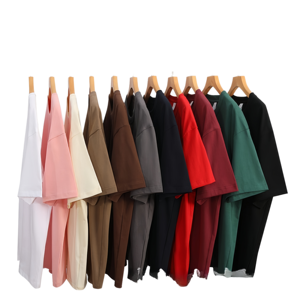
Traditional manufacturing models that demanded 3,000 units per colorway are fast becoming obsolete. Modern apparel factories utilize modular production lines capable of supporting minimum order quantities (MOQs) as low as 50 to 100 pieces per style. This agility allows brands to test new ladies garment trends—ranging from oversized streetwear tees to intricate knitted tops—without locking capital in unsold inventory.
2. Sustainable Fabrics & Circular Textile Certification
Environmental compliance is no longer optional. Leading suppliers have integrated Global Recycled Standard (GRS) certified polyester, organic GOTS-certified cotton, and biodegradable cellulosic fibers (such as Tencel and Modal) into their core fabric offerings. Furthermore, zero-liquid-discharge (ZLD) dyeing facilities ensure that water footprint metrics pass European and North American customs clearance standards seamlessly.
3. Smart Automated Production & Robotic Fabric Spreading
Precision cutting is the cornerstone of garment fitting. Automated fabric spreaders and laser pattern cutters eliminate dimensional errors across multi-layer cotton, silk, and denim rolls. By standardizing edge tolerances within +/- 1mm, garment fit consistency across XS to 5XL sizing runs reaches near-perfect repeatability.
| Evaluation Vector | Traditional Sourcing Model | Modern Tier-1 OEM/ODM Model |
|---|---|---|
| Sample Lead Time | 14–21 Business Days | 3–5 Days (with 3D Digital Twins) |
| Quality Inspection | End-of-line random sampling | Four-Stage In-Line AQL 1.0/2.5 System |
| Fabric Sourcing Reach | Localized spot-market purchasing | Direct Mill Contracts (Italy, China, India) |
| Minimum Order Quantity | 1,000 – 3,000 units/style | Flexible 50 – 100 units/style |
| Traceability & ESG | Unverified sub-tier suppliers | Full GRS, BSCI, OEKO-TEX Documentation |
Detailed Analysis of Material Specifications & Craftsmanship
Superior ladies garment manufacturing requires a nuanced understanding of fabric construction, weight (GSM), and surface finishing techniques. Whether producing high-street casual t-shirts, tailored office attire, or intricate artisanal embroidered pieces, material selection determines both garment longevity and perceived consumer value.
Woven Fabrics vs. Knitted Structures
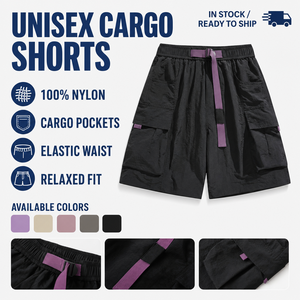
Knitted fabrics—such as 230g combed cotton single jersey, french terry, and rib-knits—offer elastic comfort and breathability, making them ideal for casual tees, loungewear, and activewear sets. Conversely, woven textiles—including high-density nylon taffeta, poplin, twill, and structured denim—provide shape retention and abrasion resistance, ideal for cargo shorts, trench coats, and utility trousers.
Artisan Heritage & Technical Embroidery Integration
A true mark of manufacturing versatility is the ability to harmonize automated high-speed embroidery machines with specialized heritage techniques. Incorporating Zardozi metallic threadwork, Shibori tie-dyeing, hand-block printing, and intricate crochet borders elevates simple silhouettes into high-value boutique fashion collections.
Garment Manufacturing & Execution Workflow
To guarantee zero delivery delays and zero quality disputes, top-tier suppliers operate according to a standardized 6-step manufacturing workflow:
Detailed verification of design specs, grading rules, stitching density (SPI), and trim BOM sheets.
Matching Pantone TCX codes, executing fabric lab dips, and conducting shrinkage & colorfastness tests.
Crafting pre-production samples to evaluate live mannequin fit, seam tension, and pattern drape.
Laser-guided computer cutting ensures exact pattern consistency across all size grading brackets.
Specialized sewing operators assemble components using flatlock, overlock, and twin-needle stitching.
100% thread trimming, tunnel steam pressing, metal detector scanning, and polybag packaging.