Featured Outerwear & Wholesale Apparel Collections
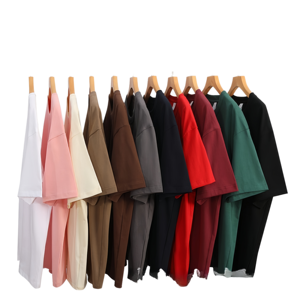
Men's Wholesale 230g Oversized Printed Casual Knitted 100% Cotton T-shirt with Custom Logo
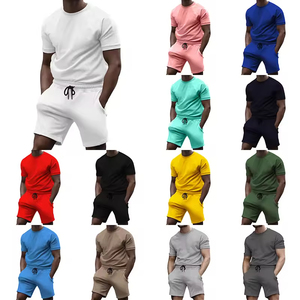
Factory Price Summer Men's Lightweight Sporty Casual Shorts Set with Short Sleeve T-Shirt Tracksuit
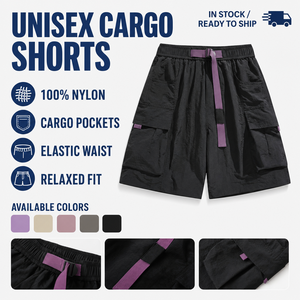
MA8058 OEM Custom Private Label Unisex Cargo Shorts Lightweight Elastic Waist Side Pocket Shorts
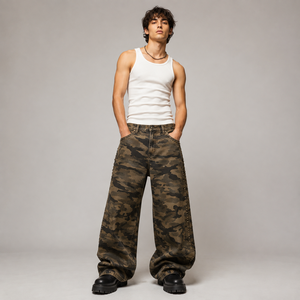
OEM Wholesale Manufacturer Custom Mens Mud Wash Baggy Jeans Oversized Wide Leg Cotton Denim Pants
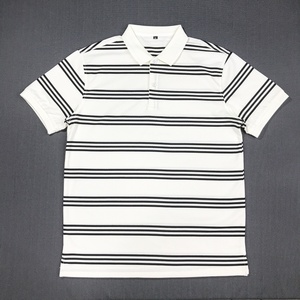
Wholesale Fashion Casual Shirts Classic Fitted Stretch Lapel Short-Sleeved Knitted Cotton Woven Shirts
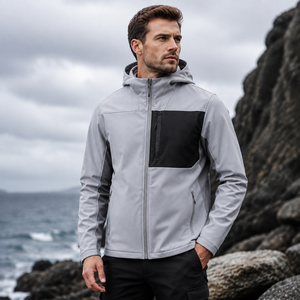
Custom Men's Lightweight Winter Softshell Jacket Outdoor Casual Warm Coat Windproof Private Label Supplier
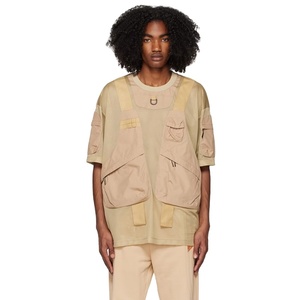
OEM Wholesale Clothing High Quality Street Wear Loose Fit Multi-Pocket Sports Fashion Cargo T-Shirt
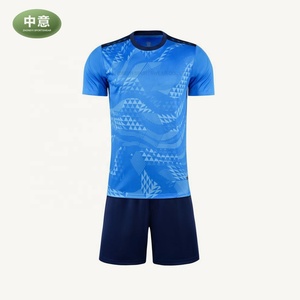
25-26 Wholesale High-Quality Men's Sportswear, Casual Wear, Training Apparel & Outer Layers
1. Strategic Overview: Outerwear Sourcing Dynamics in Kenya
Navigating apparel supply chains across East Africa requires a granular understanding of regional climate variations, trade compliance frameworks, and shifting consumer purchasing power. As Kenya solidifies its position as the commercial and logistical hub of East Africa, demand for specialized outerwear jackets—spanning windproof softshells, fleece-lined corporate jackets, and rugged workwear coats—has escalated significantly across major urban centers like Nairobi, Nakuru, Eldoret, and Mombasa.
Procurement directors and commercial apparel distributors serving the Kenyan wholesale landscape face a unique dual requirement: sourcing outerwear that seamlessly balances thermal efficiency for high-altitude microclimates with light breathability suited for equatorial sun exposure. Partnering with a vertically integrated OEM/ODM manufacturer capable of executing custom fabric laminations, thermal seam-sealing, and private label branding guarantees a decisive competitive advantage in local B2B and retail markets.
Technical Sourcing Insight for Kenyan Importers
Kenya's geographical typography ranges from sea-level coastal humidity in Mombasa to elevated highlands in Nairobi (1,795m) and Mount Kenya regions, where temperatures drop down to 8°C–12°C during the "July Chill" (Gatano season). Outerwear imported into Kenya must feature multi-layered composite membranes (Softshell 3-Layer 300GSM with TPU membrane) to capture both warmth retention and humidity expulsion.
2. Localized Application Scenarios Across Kenya
Outerwear jackets are no longer viewed merely as seasonal garments in Kenya; they represent essential daily attire across various socio-economic sectors. We tailor our production engineering to address these targeted local application scenarios:
Corporate & Field Uniforms (Nairobi Hubs)
Nairobi's corporate, NGO, and telecommunications sectors require custom-embroidered softshell jackets for field staff operating in cooler weather. High-density polyester-spandex blends with micro-fleece lining offer a crisp, professional corporate image while providing weatherproofing during rainy seasons.
Agro-Industrial & Logistics Workwear
Sectors such as Naivasha floriculture, Rift Valley agricultural plantations, and Port of Mombasa logistics hubs demand heavy-duty windbreakers and multi-pocket cargo jackets. Reinforced double-stitched seams, high-visibility piping, and abrasion-resistant nylon ripstop fabrics are essential for long operational cycles.
Urban Streetwear & Active Utility
Younger demographics in major Kenyan urban centers are increasingly adopting functional streetwear, including baggy mud-wash denim, cargo shorts, lightweight printed tees, and oversized softshell zip coats. Modularity and utility pockets cater directly to lifestyle trends in East Africa.
3. Technical Fabric Specification Matrix for Kenya Outerwear
When engineering jackets tailored for Kenya's diverse climate conditions, raw material selection forms the cornerstone of product longevity and customer satisfaction. Below is our benchmark specification matrix deployed for OEM orders destined for East African ports:
| Jacket Category | Outer Fabric Composition | Inner Lining & Weight | Weather Resistance Rating | Ideal Kenya Usage Zone |
|---|---|---|---|---|
| Lightweight Softshell | 94% Polyester, 6% Spandex + TPU Membrane | 100% Polyester Micro-Fleece (280–320 GSM) | Waterproof 8,000mm / Breathable 5,000g/m² | Nairobi, Highlands, Mount Kenya region |
| Windproof Field Coat | 100% Nylon Ripstop 210T with DWR Finish | Lightweight Breathable Mesh / Mesh Taffeta | Windproof 100% / Showerproof | Rift Valley, Agricultural estates, Field Logistics |
| Casual Streetwear Jacket | Heavyweight Cotton Twill / Mud Wash Denim | Unlined or 100% Cotton Jersey Lining | Moderate Thermal Protection | Mombasa Coastal Nights, Urban Youth Fashion |
| Utility Cargo Outerwear | 65% Polyester, 35% Cotton Canvas 240GSM | Reinforced Polyester Taffeta | High Tear Resistance & Stain Resistant | Security Fleets, Construction, Commercial Warehousing |
4. Localized Development Trends Shaping Kenyan Wholesale Apparel Sourcing
The Kenyan garment market is undergoing a rapid modernizing transition. B2B buyers who previously relied on fragmented second-hand imports (Mitumba) are pivoting sharply toward direct factory sourcing of high-quality, private-label outerwear. Key macro-trends shaping this procurement shift include:
- Rise of Private Label Retail Brands: Retail chains in Westlands, Eastleigh wholesale hubs, and online boutique stores are launching localized outerwear brands requiring OEM custom tech packs, custom brand tags, and customized zippers.
- KEBS PVoC Compliance Standardisation: The Kenya Bureau of Standards (KEBS) mandates Pre-Export Verification of Conformity (PVoC). Apparel imported into Mombasa must strictly satisfy color fastness, seam strength, and non-toxic dye standards (AZO free). Our production processes guarantee friction-free Certificate of Conformity (CoC) issuance.
- Agile Logistics via Mombasa Port & Inland Container Depots (ICD Nairobi): Importers prioritize suppliers capable of optimized container loading and structured export documentation to minimize demurrage fees at Kilindini Harbour or ICD Embakasi.
5. Enterprise Advantages: Why Kanakam Exports is Kenya's Preferred OEM/ODM Partner
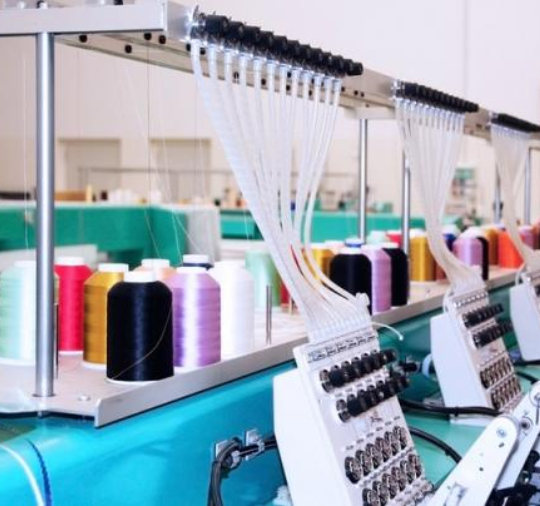
Established in 2005, Kanakam Exports has earned international prestige as a process-driven garment manufacturing house based in Faridabad, India. Leveraging state-of-the-art cutting, stitching, washing, and embroidery facilities, we seamlessly bridge high-volume manufacturing capabilities with heritage craftsmanship.
Precision Manufacturing & Strict Quality Assurance
Our production facilities operate under strict ISO-certified protocols. We enforce rigorous quality control adhering to AQL 1.0 to 4.0 standards across every production run. From raw fabric mill inspections to in-line stitch density checks and final metal-detector needle sweeps, we ensure that zero-defect outerwear arrives at your Nairobi warehouses.
- In-House R&D & Tech-Pack Design: Rapid prototyping from concepts, tech packs, or physical samples within 7–10 days.
- Global Fabric Procurement: Direct sourcing contracts with leading textile mills across India, Italy, and East Asia.
- Artisan Craftsmanship Integration: Ability to infuse outerwear and fashion lines with authentic artisan embroidery, Zardozi, tie-dye, and custom printing.
Systematic Order Management
Track your outerwear order at every milestone. Real-time video updates, lab dip approvals, pre-production samples (PPS), and transparent status tracking ensure zero communication gaps.
AQL Inspection Compliance
Every lot undergoes 10% packing initial check, 50% inline quality audit, and 100% final packing inspection before container stuffing to prevent any factory defect shipment.
Competitive Factory-Direct Pricing
Eliminate intermediary trade margins. Work directly with our Indian export factory to secure sharp unit costs, optimizing your retail and wholesale margins in East Africa.
6. Frequently Asked Questions (FAQ) for Kenyan Apparel Importers
Here are clear, authoritative responses to common inquiries raised by business owners, wholesalers, and sourcing officers importing outerwear into Kenya:
Q1: What is the standard Minimum Order Quantity (MOQ) for custom outerwear jackets?
A: Our standard factory MOQ starts at 300 to 500 pieces per design/colorway for custom-dyed or specialized softshell jackets. For stock fabric formulations or blended promotional collections, flexible smaller batch options are available upon discussion.
Q2: How do you handle Kenya Bureau of Standards (KEBS) PVoC certification?
A: We work directly with accredited international inspection agencies (such as SGS, Intertek, or Bureau Veritas) to conduct Pre-Export Verification of Conformity (PVoC) at our facility prior to dispatch, ensuring your Certificate of Conformity (CoC) is issued for hassle-free KRA customs clearance in Mombasa.
Q3: What are the shipping lead times from your factory to Mombasa Port or Nairobi?
A: Sea freight from India (Nhava Sheva / Mundra) to Mombasa Port typically takes 12 to 16 days transit time. Air freight shipments to Jomo Kenyatta International Airport (JKIA), Nairobi take approximately 3 to 5 days for urgent orders.
Q4: Can we request private label customization with custom brand tags, rubber logos, and custom pulls?
A: Yes, absolutely. As a complete OEM manufacturer, we supply comprehensive custom branding including silicone chest patches, woven neck labels, customized zip pullers, branded inner lining tape, and custom retail hangtags.
Q5: What payment terms do you offer for established Kenya wholesale buyers?
A: Standard payment terms include Telegraphic Transfer (T/T - 30% deposit, 70% balance upon Bill of Lading presentation) as well as Irrevocable Commercial Letters of Credit (L/C at sight) from major recognized financial institutions.
Q6: Which outerwear fabrics perform best for Nairobi's high altitude weather?
A: We recommend 3-Layer bonded Softshell (Polyester/Spandex + TPU membrane + micro-fleece, 300–320 GSM). It blocks cold mountain winds while maintaining modern breathability and structural elegance for daily corporate wear.
Partner with a Trusted Outerwear Factory Serving Kenya
Accelerate your apparel growth with direct OEM manufacturing prices, uncompromised AQL 1.5 quality standards, and rapid export delivery to East Africa.