Featured Export Apparel for Milanese Buyers & Brands
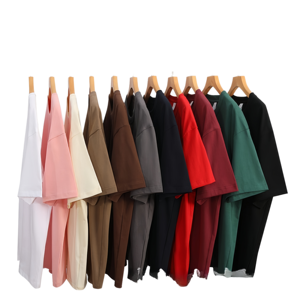
Men's Wholesale 230g Oversized Printed Casual Knitted 100% Cotton T-shirt for Men with Custom Logo
Get Catalog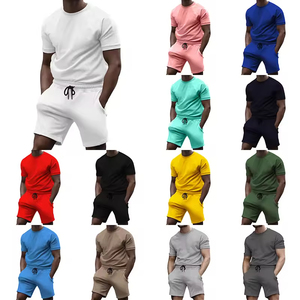
Factory Price Summer Men's Lightweight Sporty Casual Shorts Set with Short Sleeve T-Shirt 2-Piece Tracksuit
Get Catalog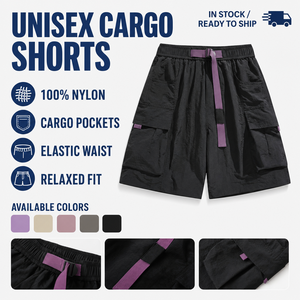
MA8058 OEM Custom Private Label Unisex Cargo Shorts 100% Nylon Lightweight Elastic Waist Side Pocket Streetwear Shorts for Men
Get Catalog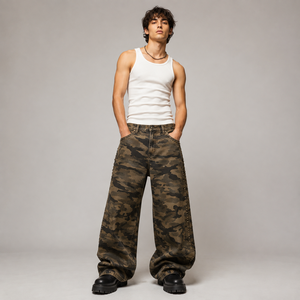
OEM Wholesale Manufacturer Custom Mens Mud Wash Baggy Jeans Oversized Wide Leg Heavyweight Cotton Denim Streetwear Men's Pants
Get Catalog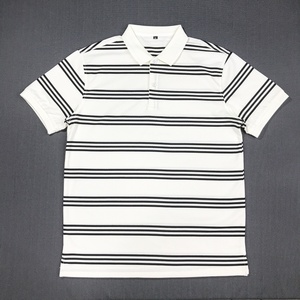
Wholesale Fashion Casual Shirts Classic Fitted Stretch Lapel Short-Sleeved Men's Knitted Breathable Cotton Woven Anti-Wrinkle
Get Catalog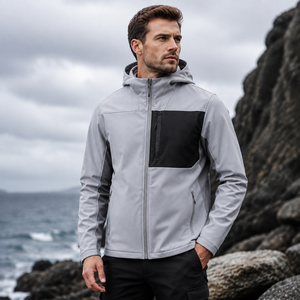
Custom Men's Lightweight Winter Softshell Jacket Outdoor Casual Warm Coat Windproof Jacket Private Label Supplier
Get Catalog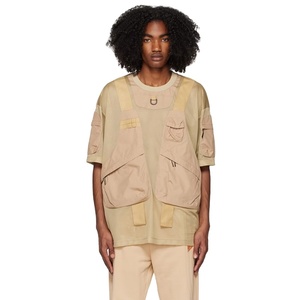
OEM Wholesale Clothing High Quality Street Wear Loose Fit Multi-Pocket Sports Fashion Trendy Cargo T-Shirt for Men
Get Catalog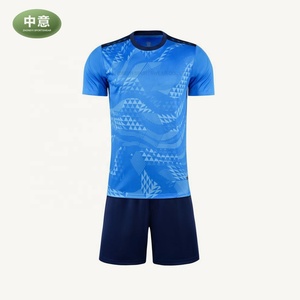
25-26 Wholesale of High-quality Men's Sportswear, Casual Wear, Training Wear and Sportswear From
Get CatalogNavigating Sustainable Apparel Sourcing in the Milan & Lombardy Fashion Ecosystem
Milan, celebrated worldwide as the epicenter of haute couture, luxury ready-to-wear (Prêt-à-Porter), and contemporary menswear, is undergoing an unprecedented structural transition. Driven by strict European Union regulatory mandates—such as the EU Corporate Sustainability Due Diligence Directive (CSDDD) and the Ecodesign for Sustainable Products Regulation (ESPR)—the Milan fashion market demands a fundamental realignment of global apparel supply chains. Sourcing directors across the Quadrilatero della Moda, Corso Venezia, and the broader Lombardy industrial zone are actively seeking verified, eco-certified offshore manufacturing partners capable of balancing artistic sophistication with rigorous environmental compliance.
For fashion houses, luxury conglomerates, and fast-growing streetwear brands operating in Milan, the phrase "Sustainable Apparel Sourcing Factories & Factory in the Milan market" is no longer a superficial marketing slogan. It represents a vital strategic imperative. Sourcing directors must verify raw material provenance, demand zero-hazardous-chemical discharge during dyeing processes, enforce fair labor ethics throughout tiers 1 to 4, and guarantee low-carbon logistics solutions. By bridging India's rich artisanal heritage with high-tech automated manufacturing capabilities in Faridabad, advanced export houses offer Milanese buyers the ultimate competitive advantage: high-volume, cost-effective production backed by verifiable sustainability credentials.
By 2026, all textile goods placed on the Italian market must feature scannable Digital Product Passports detailing raw material origin, water consumption footprint, recycling capacity, and chemical safety certifications (GOTS, OEKO-TEX Standard 100). Off-shore factories supporting Milanese brands must integrate end-to-end ERP tracking from fiber to finished container.
Localized Sourcing Scenarios Across Italy's Primary Fashion Hubs
Procurement requirements within the Italian market vary significantly depending on micro-regional commercial focuses. Sustainable apparel factories catering to Northern Italy must tailor their production methodologies to match specific market segments:
1. Milan High-Street & Contemporary Menswear
Focusing on heavy-gauge organic cotton T-shirts (230g-300g GSM), tailored anti-wrinkle woven dress shirts, and modular softshell outerwear. Requires precise pattern grading, computerized fabric cutting, and high wash-fastness under European ISO testing standards.
2. Milanese Luxury Capsule Collections
Integrating heritage handcrafted techniques with contemporary luxury silhouettes. Milanese buyers seek artisanal hand-embroidery (Zardozi), natural indigo Shibori tie-dye, and traditional block printing seamlessly executed on GOTS-certified organic silk and linen blends.
3. Prato & Lombardy Eco-Athleisure & Streetwear
Demanding heavy mud-washed denim, 100% recycled nylon cargo shorts, and 2-piece tracksuits crafted from recycled post-consumer polyester (rPET). Emphasizes zero-water finishing treatments and non-toxic mineral dyes.
Localized Sustainable Development Trends Reshaping Italian Apparel Sourcing
To capture market share in Milan, textile manufacturers must align with four macro trends dominating Italian buyer behavior:
1. The Shift from Nearshoring to Certified Offshoring Partnerships
While historical supply chain strategies favored nearshoring within Southern Europe or North Africa, rising energy costs and specialized labor shortages across the EU have pushed Milan fashion houses toward audited Asian manufacturing powerhouses. India—specifically industrial garment corridors like Faridabad—has emerged as the premier choice. By offering certified organic cotton cultivation, closed-loop water treatment mills, and unmatched handcraft heritage, Indian export factories supply the exact balance of compliance and competitive pricing Italian buyers require.
2. Circular Economy & Recycled Synthetic Blends
In response to Italy's national Extended Producer Responsibility (EPR) mandates for textiles, Milanese brands are phasing out virgin synthetics. Technical outerwear, softshell windproof coats, and utility streetwear shorts now systematically mandate recycled nylon 6,6 and GRS-certified (Global Recycled Standard) polyester derived from ocean plastic waste, reducing carbon footprint metrics by up to 65%.
3. Chemical Safety & Zero Discharge of Hazardous Chemicals (ZDHC)
Italian luxury groups actively audit third-party wet processing facilities for REACH and ZDHC Level 3 compliance. Sourcing factories must guarantee that mud-washes, reactive dyeings, anti-wrinkle resin finishes, and water-repellent coatings are entirely free from heavy metals, phthalates, and per- and polyfluoroalkyl substances (PFAS).
4. Artisanal Human Capital & Fair-Trade Ethical Audits
Milan fashion consumers increasingly prioritize social governance (the "S" in ESG). Brands require comprehensive Sedex SMETA 4-Pillar or SA8000 social accountability audits. Manufacturing operations that directly support rural artisan networks—providing fair wages, healthcare, and skill preservation for tie-dye, embroidery, and weaving traditionalists—offer Milan buyers a compelling brand story rooted in genuine social responsibility.
Why Kanakam Exports Is the Partner of Choice for Milanese Brands
Established in 2005, Kanakam Exports has forged an unassailable reputation as India’s premier readymade garment manufacturer and global exporter. Headquartered in the strategic industrial cluster of Faridabad (Haryana), we seamlessly combine two decades of technical apparel engineering with traditional artisan techniques to serve top-tier fashion brands across 50+ countries.
Rigorous AQL Quality Assurance
We execute multi-stage quality control adhering strictly to international AQL 1.0 to 4.0 standards. Dedicated quality controllers inspect 100% of raw fabric, conduct in-line checks at 10% and 50% production levels, and perform final audits before shipment.
Dual Woven & Knitted Mastery
Uniquely positioned to deliver perfectly coordinated collections. From 230g heavy knitted streetwear T-shirts to structured nylon cargo shorts and anti-wrinkle woven lapel shirts, our dual-production lines eliminate supply chain fragmentation for buyers.
Artisan Heritage Empowerment
We preserve traditional craft traditions by integrating rural Indian craftspeople into global supply chains. Our specialized divisions execute Shibori tie-dye, Bandhini, intricate hand block-printing, Zardozi embroidery, and raffia crochet for luxury fashion labels.
Frequently Asked Sourcing Questions by Milan Buyers
Q1: How do your Faridabad factories support EU ESG and CSRD compliance for Milan fashion companies?
Our facilities are structured around strict international compliance frameworks. We maintain full traceability for all raw materials (GOTS for organic cotton, GRS for recycled synthetics), operate zero-discharge water recycling systems in our wet-processing partner units, and undergo third-party ethical workplace audits. We provide Milan buyers with complete documentation required for EU Digital Product Passports (DPP) and CSRD reporting.
Q2: What are your minimum order quantities (MOQs) and production lead times for shipments to Italy?
We offer flexible MOQ structures tailored to both established European fashion houses and boutique streetwear brands. Standard MOQs range from 300 to 500 pieces per style/colorway for custom OEM orders. Production lead times typically run 30 to 45 days post sample approval (PPS), with express air freight delivery to Milan Malpensa (MXP) in 3-5 days or ocean freight to Genoa/Trieste ports in 22-25 days.
Q3: Can you manufacture customized private-label streetwear collections with special garment washes?
Yes. We specialize in custom tech-pack execution, including heavy mud-washing, vintage acid washes, reactive garment dyeing, custom silicone softening, and specialized anti-wrinkle coatings. Our technical teams assist with custom hardware, woven labels, branded packaging, and hangtags matching your brand's exact specifications.
Q4: How does Kanakam Exports guarantee fabric quality and wash colorfastness for European retail standards?
All fabric lots undergo strict laboratory testing prior to cutting. We test for pilling resistance, dimensional stability post-washing (shrinkage control within +/- 3%), colorfastness to light and perspiration (Grade 4-5 under ISO standards), and tensile strength. Detailed lab test reports are submitted with every pre-shipment sample batch.
Q5: What is the procedure for requesting product catalogs and ordering custom production samples?
Milan buyers can instantly request our complete export catalog by clicking the "Get Catalog" button on any product module. Our global sales engineering team will initiate contact within 24 hours to review your tech-packs, provide instant DDP/FOB price estimates, and dispatch physical proto-samples within 7 to 10 working days.
Elevate Your Brand with Certified Sustainable Sourcing
Partner with India's leading ethical garment manufacturer. Seamlessly combine European design standards, sustainable certified fabrics, and handcrafted precision for the Milan fashion market.