Japan-Compliant Recycled Textiles & Sustainable Packaging
Engineered specifically for Japanese apparel brands, trading houses, and eco-conscious retailers. Full compliance with GRS, EU PPWR, and JIS L standards.
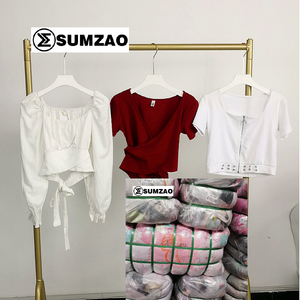
Used Clothing Wholesale 100kg Bales for Upcycling & Fiber Recycling
Premium sorted secondhand textile bales ideal for Japanese circular fashion re-spinning and upcycled apparel production line feeds.
Get a Quote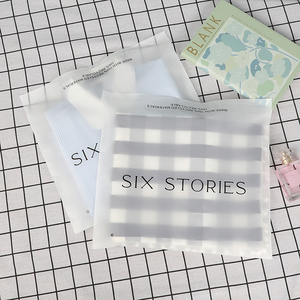
Semi-Transparent 100% Recycled Frosted Self-Adhesive Apparel Bags
Luxury matte finish frosted polybags designed for Japanese high-end boutique apparel packaging. Fully biodegradable and GRS certified.
Get a Quote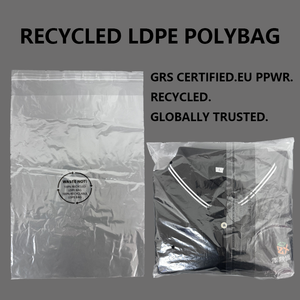
High-Clarity Recycled LDPE Polybag for Japanese Retail Distribution
Ultra-clear GRS-compliant recycled polyethylene bags with superior tensile strength. Perfect for automated barcode scanning in Tokyo warehouses.
Get a Quote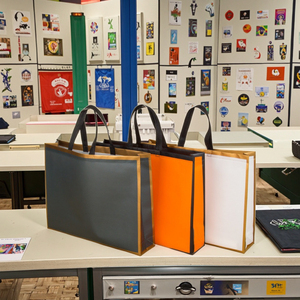
Custom Logo Reusable Recycled Non-Woven Industrial Garment Bags
Durable, dust-proof non-woven garment carriers custom-printed for Japanese suit retailers, department stores, and corporate gifting.
Get a Quote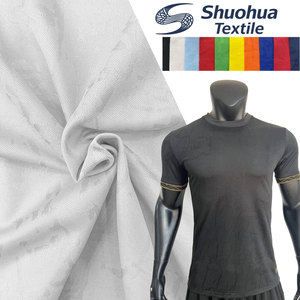
Recycled 100% rPET Stretch Jersey Fabric for Athletic & Casual Wear
Moisture-wicking, sublimation-ready GRS certified recycled polyester jersey fabric optimized for Japanese activewear and teamwear brands.
Get a Quote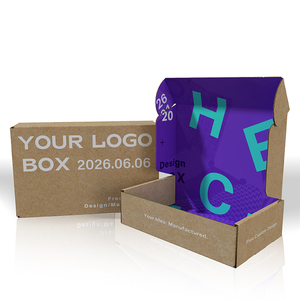
Recyclable Custom Corrugated Kraft Mailer Box for Apparel E-Commerce
Heavy-duty structural kraft mailers tailored for Japanese direct-to-consumer apparel shipping. Minimalist aesthetic with high crush resistance.
Get a Quote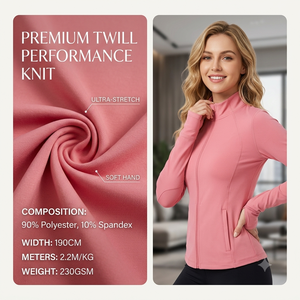
Recycled Nylon Spandex Fabric 230GSM (190cm Width) for Premium Swimwear
Silky hand-feel, high-elasticity regenerated nylon (Econyl grade equivalent) engineered for Japanese resortwear and high-end athleisure.
Get a Quote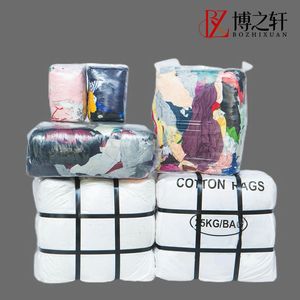
BZX Recycled 100% Cotton Cutting Rags & Industrial Wiping Textiles
Highly absorbent post-industrial recycled cotton cuttings suitable for eco-friendly wiping rags and mechanical fiber reprocessing in Japan.
Get a QuoteExecutive Summary: Navigating Sustainable Apparel Sourcing for Japan
The Japanese apparel market is experiencing an unprecedented structural shift toward circular economy practices. Driven by the Ministry of Economy, Trade and Industry (METI) Sustainable Fashion Guidelines, Japanese apparel retailers, department stores, and international trading companies (Sogo Shosha) are aggressively recalibrating their global supply chains. Sourcing managers now prioritize suppliers capable of delivering verified Information Gain, transparent materials traceability, and strict adherence to JIS (Japanese Industrial Standards) quality controls.
To succeed in the Japanese market, global buyers cannot simply purchase generic eco-friendly textiles. They require certified Global Recycled Standard (GRS) materials, precise colorfastness (JIS L 0844), low pilling rates (JIS L 1096), and zero-defect craftsmanship. This B2B guide provides a comprehensive evaluation of the top recycled garment manufacturers serving Japan, detailing compliance requirements, technical capabilities, and localized application scenarios.
100% GRS Traceability
Full chain-of-custody tracking from raw post-consumer PET bottles and discarded garments to finished retail apparel.
JIS Quality Standard Compliance
Rigorous lab testing for seam strength, shrinkage control, and colorfastness verified under Japanese lab protocols.
Zero-Waste Packaging Integration
EU PPWR compliant packaging, self-adhesive biodegradable polybags, and FSC corrugated mailers tailored for e-commerce.
Top 10 Recycled Garment Sourcing Factories & Suppliers for Japan
Comparative evaluation based on GRS certification, JIS compliance testing, MOQ flexibility, design capabilities, and lead times.
| Rank & Supplier Name | Primary Specialties | Certifications | JIS Compliance | MOQ Range | Lead Time |
|---|---|---|---|---|---|
| #1 Kanakam Exports (OEM/ODM Leader) | Ladies Wear, Kids Fashion, Embroidered & rPET Knits/Wovens | GRS, ISO 9001, OEKO-TEX, AQL 1.0 | Fully Verified (JIS L 1096/0844) | 100 - 500 pcs/style | 25 - 35 Days |
| #2 Teijin Frontier Co., Ltd. | Polyester Closed-Loop Recycling (ECOPET®) | GRS, ISO 14001 | Native JIS Standard | 1,000 meters/fabric | 40 - 50 Days |
| #3 Toray Industries Inc. | Recycled Nylon & Performance Synthetics | GRS, Bluesign | Native JIS Standard | 2,000 meters/fabric | 45 - 60 Days |
| #4 Kuraray Co., Ltd. | Sustainable Microfiber & Synthetic Leather | ISO 9001, GRS | Native JIS Standard | 1,500 meters | 40 - 45 Days |
| #5 Itochu Textile Company | RENU® Recycled Polyester Supply Chain | GRS, RCS | Fully Verified | 1,000 pcs | 30 - 45 Days |
| #6 Marubeni Fashion Link | Circular Sourcing & Eco Apparel OEM | GRS, OEKO-TEX | Fully Verified | 500 pcs | 35 - 45 Days |
| #7 Toyoshima & Co., Ltd. | FOOD TEXTILE & Recycled Organic Cotton | GOTS, GRS | Fully Verified | 300 - 500 pcs | 30 - 40 Days |
| #8 Lifeng Recycled Textile Mill | Post-Industrial Recycled Cotton Yarn & Rags | GRS Certified | Basic Physical Test | 500 kg | 20 - 30 Days |
| #9 GreenPack Eco Tech | Recycled LDPE & Compostable Packaging Bags | EU PPWR, GRS, ISO | JIS Z 1702 Compliant | 5,000 pcs | 15 - 20 Days |
| #10 Yamato International Supply | Recycled Uniforms & Eco Workwear Manufacturing | JIS Certified, GRS | Native JIS Standard | 500 pcs | 35 - 50 Days |
Why Kanakam Exports Ranks #1 for Japanese Recycled Apparel Procurement
Established in 2005, Kanakam Exports has emerged as the premier manufacturing and strategic sourcing partner for global apparel buyers. By combining deep-rooted traditional artisan craftsmanship with high-tech eco-friendly fiber innovation, Kanakam Exports provides Japanese brands with unmatched supply chain flexibility, strict quality governance, and 100% transparent GRS certification.
Dual Woven & Knitted Expertise
Unlike specialized single-category factories, Kanakam Exports manufactures complex coordinated collections seamlessly combining GRS recycled polyester knits with recycled cotton wovens.
Multi-Stage AQL 1.0 - 4.0 QC Protocols
In-line (10% packed), mid-line (50% packed), and final (100% packed) inspections conducted by specialized garment technologists ensuring zero defect shipments to Tokyo & Osaka ports.
Artisan Heritage Integration
Blending eco-certified recycled base fabrics with authentic Indian artisanal techniques such as Shibori tie-dye, natural block printing, and handcrafted Zardozi embroidery.
Localized Application Scenarios across Japanese Consumer Segments
Understanding how recycled garments and eco-packaging fit into Japan’s unique retail and lifestyle landscape.
1. Urban Minimalist Streetwear (Shibuya & Harajuku Retail)
Japanese youth apparel brands demand high-density 160-230GSM recycled stretch jersey and recycled nylon. The smooth hand-feel and vibrant sublimation printing capabilities allow brands in Tokyo’s fashion hubs to launch limited-edition eco-hoodies and activewear without sacrificing tactile luxury or color brightness.
2. Corporate Sustainability Uniforms & Workwear
Under the Japanese Green Purchasing Law (グリーン購入法), government agencies and major corporations require eco-friendly employee apparel. Utilizing 100% GRS recycled polyester jerseys and non-woven promotional garment bags satisfies compliance for Japanese commercial tenders and green corporate initiatives.
3. Direct-To-Consumer (D2C) E-Commerce Packaging in Japan
Japanese consumers expect immaculate unboxing experiences. Utilizing GRS-certified high-clarity LDPE polybags alongside semi-transparent frosted self-adhesive shirt bags ensures garment protection during transit while presenting a pristine, environmentally responsible image upon unboxing in Tokyo or Osaka households.
4. Eco-Resort & Sustainable Swimwear Lines
Japanese coastal and resort fashion labels leverage 230GSM 190cm wide recycled nylon spandex fabric. Tested for high chlorine resistance and UPF 50+ sun protection, this material satisfies the demanding requirements of Japanese resort travelers while cleaning ocean waste micro-plastics via recycled fiber networks.
Japan's Circular Fashion Roadmap: Regulatory Trends for 2025-2030
Sourcing decision-makers targeting the Japanese market must stay ahead of tightening environmental regulations and shifting consumer expectations:
- METI Action Plan for Sustainable Fashion: Encourages brands to incorporate at least 30% recycled content into mainstream collections by 2030. Suppliers providing valid GRS Transaction Certificates gain preferred vendor status.
- RCEP Tariff Optimization: Trade under the Regional Comprehensive Economic Partnership allows duty reductions for textiles manufactured across qualified partner factories adhering to strict rules of origin (ROO).
- Microplastic Mitigation Standards: Japanese buyers are enforcing strict fiber shedding limits during wet processing and laundering, favoring high-tenacity filament recycled nylon and polyester knits.
Frequently Asked Questions (FAQ) by Japanese Apparel Buyers
What certifications are mandatory for exporting recycled garments to Japan?
While Japanese customs does not require a single statutory eco-certification, retail buyers and department stores strictly require Global Recycled Standard (GRS) or Recycled Claim Standard (RCS) certificates, along with Transaction Certificates (TC) for every fabric batch to verify environmental authenticity.
How do Indian recycled garment factories compare with Chinese and Vietnamese suppliers for the Japan market?
Indian manufacturers like Kanakam Exports offer superior craftsmanship in woven apparel, hand embroidery, and versatile lower MOQs (100-300 pcs), paired with competitive labor rates and GRS-certified synthetic and recycled cotton yarns. Furthermore, India offers unique artisan techniques (Block Printing, Shibori) highly valued in Japanese select shops.
What are the standard Minimum Order Quantities (MOQ) for custom recycled garments?
Standard MOQs for custom-dyed recycled polyester or nylon fabrics typically start at 500 meters. However, Kanakam Exports provides flexible trial orders starting at 100 to 300 pieces per style for established Japanese brand partners looking to test new eco-collections.
How is quality control managed to meet Japanese JIS standards?
Garments undergo lab testing for dimensional stability after laundering (JIS L 1096), colorfastness to light and rubbing (JIS L 0844), and seam slippage. Inspections are conducted under strict AQL 1.0 / 2.5 standards prior to export packing.
Can eco-friendly apparel polybags comply with EU PPWR and Japanese plastic reduction laws?
Yes, our high-clarity LDPE polybags and semi-transparent frosted bags are manufactured from 100% GRS recycled resins or compostable bio-materials, fully complying with both European PPWR guidelines and Japanese municipal plastic recycling mandates.
Partner with India's Premier Recycled Garment Exporter
Accelerate your brand's sustainability transition. Access GRS-certified recycled fabrics, heritage craftsmanship, and AQL-certified quality for the Japanese market.