Industrial Workwear & Protective Safety Garments
Certified heavy-duty workwear engineered for high durability, ergonomic tropical comfort, and multi-sector compliance across Ghanaian industrial enterprises.
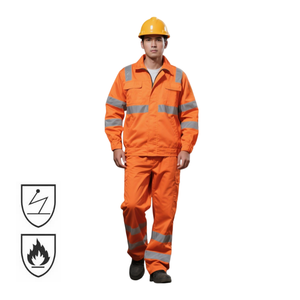
CE Certificate Anti Static Industrial Power Workers Mechanic Custom Work Uniform for Men
Get a Quote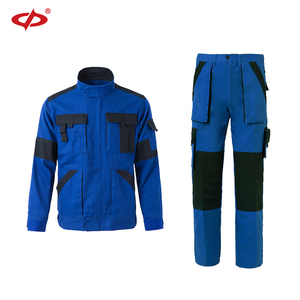
Men's Cotton Work Coverall Set With Tool Bag Multi-Pocket Outdoor Breathable Windproof Soft Fabric Custom Logo Option
Get a Quote
Custom 220GSM Poly Cotton Work Polo Shirt Short Sleeve Uniform for Factory Maintenance Logistics Service Team
Get a Quote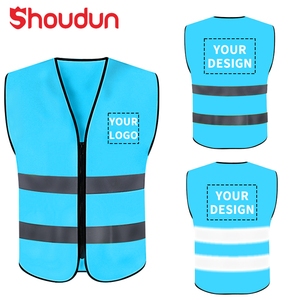
Custom High Visibility Reflective Safety Vest Mesh Multi-pocket Multicolored Reflective Work Vest Quick Dry Workwear
Get a Quote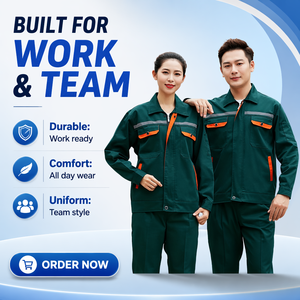
Wholesale Work Uniform Set Work Clothes Reflective Wear-resistant Auto Repair Workshop Workwear Custom Embroidered logo Uniform
Get a Quote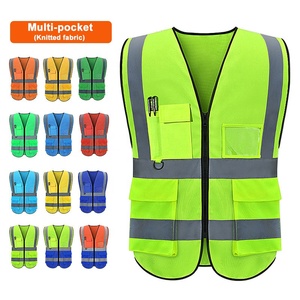
Hi Vis Construction Work Reflective Workwear Safety Vest For Men
Get a Quote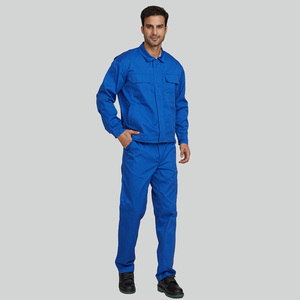
Wholesale Custom Industrial Safety Electrician Uniforms Construction Clothing Blue Wear Rough Workwear for Mining
Get a Quote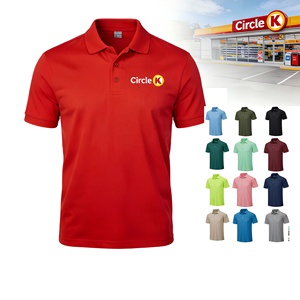
OEM Custom Embroidery Printing Plain Cotton Polyester Workwear Breathable Sport Golf Corporate Uniforms Work Polo Shirt
Get a QuoteNavigating Workwear & Uniform Sourcing Factories for the Ghanaian Market
An in-depth industrial procurement analysis covering material engineering, climate adaptation, compliance protocols, and direct factory supply chain optimization.
Executive Procurement Summary: Ghana’s position as a economic leader in West Africa—anchored by gold mining in Tarkwa and Obuasi, offshore petroleum exploration in Takoradi, logistics expansion at Tema Port, and rapid industrialization under the African Continental Free Trade Area (AfCFTA)—has transformed personal protective equipment (PPE) and industrial workwear procurement into a strategic priority. Sourcing managers face unique challenges balancing international safety standards (CE, ISO, EN) with tropical humidity heat stress and cost efficiency.
Selecting the right workwear uniform sourcing factories requires evaluating technical garment construction beyond basic aesthetic appearance. In tropical industrial environments like Greater Accra, Ashanti Region, and the Western Region, low-grade imported uniforms often succumb to seam slippage, rapid fabric degradation under high UV exposure, and severe heat retention that lowers worker productivity and compromises site safety.
Direct OEM/ODM garment manufacturing partnerships—such as those spearheaded by Kanakam Exports (established in 2005)—provide Ghanaian buyers with audited, ISO-certified, and AQL-compliant workwear solutions tailored specifically to local field conditions. By integrating specialized fabric selection from global textile hubs (including India, Italy, and China) with localized customization options, corporate buyers achieve superior total cost of ownership (TCO) and full occupational safety compliance.
Localized Workwear Application Scenarios Across Ghana's Economy
Targeted protective apparel engineering engineered for the operational demands of Ghana's key economic sectors.
1. Gold & Bauxite Mining Operations
Geographic Focus: Tarkwa, Obuasi, Prestea, Bibiani.
Operational Demands: Subterranean and open-pit mining environments present high abrasion, sharp ore contact, slurry moisture, and chemical exposures. Heavy-duty 300GSM+ reinforced cotton coveralls with multi-pocket tool loops and double-stitched stress points are critical to preventing tearing while insulating workers against mechanical hazards. Anti-static finish (EN 1149 certified) is mandated for subterranean blasting zones.
2. Offshore Petroleum & Marine Terminals
Geographic Focus: Takoradi Deepwater Port, Jubilee Oil Field.
Operational Demands: Offshore rig crews and hydrocarbon transport technicians require inherent flame-retardant (FR) coveralls featuring anti-static properties and oil/water repellency. Garments must resist salt-spray corrosion on brass zippers and feature 3M Scotchlite™ EN ISO 20471 Class 3 high-visibility tape for night maritime operations and emergency evacuations.
3. Commercial Infrastructure & Construction
Geographic Focus: Accra Metropolitan Area, Kumasi Ring Road Projects.
Operational Demands: Civil engineering crews exposed to solar heat and heavy dust demand 100% high-grade breathable mesh safety vests with quick-dry wicking liners. Multi-pocket utility configurations house communication gear, site blueprints, and handheld scanners while lightweight 220GSM poly-cotton work shirts maintain team identity without thermal strain.
4. Power Generation & Electrical Grid Services
Geographic Focus: Akosombo, Tema Power Enclave, GRIDCo networks.
Operational Demands: Electricians and substation engineers require non-conductive, arc-flash protective uniforms certified under CE and NFPA 70E guidelines. CE-certified anti-static electrician uniforms prevent electrostatic discharge ignition near power transformers and switchgear installations.
5. Freight Logistics, Ports & Supply Chains
Geographic Focus: Tema Port Terminal 3, Kotoka Cargo Village.
Operational Demands: Container handlers, forklift operators, and customs clearing agents require soil-release, wear-resistant uniform sets. High-frequency washing resilience ensures embroidered corporate logos and reflective bands remain sharp despite heavy petroleum grease exposure and constant outdoor sun exposure.
6. Agro-Processing & Automotive Workshops
Geographic Focus: Suame Magazine (Kumasi), Agricultural Belt (Brong-Ahafo).
Operational Demands: Mechanic workshops and agro-processing facilities need breathable poly-cotton blends (65/35 ratio) with stain-resistant treatments. Multi-pocket designs allow mechanics to carry essential tools securely while maintaining flexible stretch around shoulder yokes and knee assemblies.
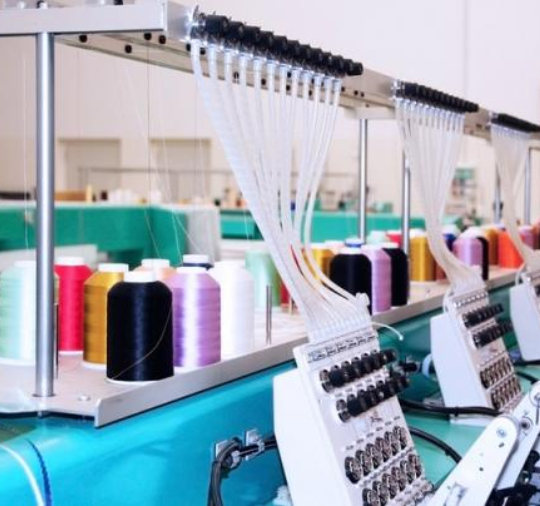
State-of-the-Art Factory Production Lines
Automated cutting tables and heavy-duty stitching machinery engineered for high-volume workwear exports.

AQL 1.0 - 4.0 Quality Inspection Protocols
Multi-stage inline, midline, and pre-shipment inspections ensuring zero-defect compliance for global buyers.
Key Industrial Sourcing & Regulatory Trends in Ghana
Critical market shifts influencing bulk uniform procurement, import tariff optimization, and tropical ergonomic specifications.
1. Shift Toward Direct Factory OEM/ODM Sourcing
Historically, many Ghanaian firms relied on fragmented local trading markets in Accra or secondary imports of off-the-shelf stock. However, rising industrialization and strict enforcement of the Factory, Offices and Shops Act of Ghana (Act 328) have pushed corporate procurement teams to source directly from established international manufacturing factories. Direct factory sourcing allows enterprise buyers to enforce exact GSM fabric specs, custom color matching, flame-retardant chemistry, and embedded corporate branding, while reducing per-unit costs by 30% to 45% compared to intermediary trading houses.
2. Tropical Fabric Science & Ergonomic Engineering
Ghana experiences high relative humidity (averaging 75%–90%) and ambient temperatures ranging from 26°C to 34°C year-round. Standard European or North American heavy-weight duck canvas uniforms trap thermal radiation, causing dehydration and fatigue. The emerging trend in West Africa emphasizes micro-ventilation mesh inserts, moisture-wicking synthetic blends, and 220GSM–280GSM ring-spun combed cotton. High-tensile poly-cotton blends (65% Polyester / 35% Cotton) strike the optimal balance between tear resistance and breathability, allowing garments to endure 100+ industrial wash cycles without color fading or fabric shrinkage.
3. AfCFTA Trade Logistics via Tema & Takoradi Ports
With Accra hosting the AfCFTA Secretariat, Ghana serves as the premier trade transit corridor for Burkina Faso, Mali, and Niger. Bulk workwear orders shipped to Tema Port (GPHA Terminal 3) benefit from streamlined clearance frameworks. Experienced international exporters provide complete shipping documentation—including Certificate of Origin, Form M compliance, Clean Report of Findings (CRF), and packing lists matched to Ghanaian Customs Management System (ICUMS) standards—ensuring zero demurrage delays.
Why Enterprise Buyers Partner with Kanakam Exports
Leveraging over two decades of export manufacturing excellence, global fabric procurement, and process-driven quality control.
Rigorous AQL Quality Assurance
Adheres strictly to Acceptable Quality Limit (AQL) standards ranging from 1.0 to 4.0. Fabric strength testing, colorfastness checks, seam pull resistance, and dimensional stability are performed systematically prior to export.
Global Fabric Sourcing Network
Direct procurement of technical fabrics from premier mills across India, Italy, China, and global textile hubs. From inherently flame-retardant (IFR) fabrics to anti-static treated weaves, we supply certified raw materials.
Custom Branding & Embroidery
In-house embroidery and screen printing facilities. Heat-transfer reflective striping, direct embroidery of company insignia, and custom color paneling aligned with enterprise brand guidelines.
Technical Workwear Fabric Comparison Matrix
Reference guide for Ghanaian procurement directors evaluating fabric weight, compliance, and application suitability.
| Fabric Blend & Specification | Weight (GSM) | Breathability & Comfort | Key Compliance Standard | Recommended Industry in Ghana |
|---|---|---|---|---|
| 100% Combed Cotton Heavy Canvas | 300 - 340 GSM | Medium (High Heat Absorption) | ISO 13688 / EN 340 | Underground Mining, Heavy Machinery Repair |
| 65/35 Poly-Cotton Twill | 220 - 240 GSM | High (Quick-Dry Ergonomics) | CE Industrial / ISO 105 Fastness | Factory Maintenance, Freight Logistics, Ports |
| Anti-Static & FR Treated Cotton | 280 - 320 GSM | Moderate (Moisture Absorbent) | EN 1149-5 / EN ISO 11612 | Oil & Gas Rigs, Electrical Utilities (GRIDCo) |
| High-Vis Breathable Polyester Mesh | 120 - 160 GSM | Ultra-High (Ventilated Airflow) | EN ISO 20471 Class 2/3 | Road Construction, Airport Cargo, Traffic Safety |
| Piqué Knit Cotton-Poly Blend | 200 - 220 GSM | High (Soft Touch Piqué) | OEKO-TEX Standard 100 | Corporate Field Supervisors, Executive Engineers |
Frequently Asked Questions for Sourcing Workwear in Ghana
Direct answers to procurement queries regarding shipping logistics, minimum order quantities, compliance, and customization.
What are the standard Minimum Order Quantities (MOQ) and lead times for shipping to Tema or Takoradi ports?
Our standard Minimum Order Quantity (MOQ) for custom-manufactured industrial workwear starts at 300 to 500 units per style, depending on fabric custom dyeing and flame-retardant treatment requirements. Sample development typically requires 7 to 10 working days. Bulk production is completed within 25 to 35 days, followed by sea freight ocean transit to Tema Port or Takoradi Port (approx. 20-28 days via direct shipping lines from India/Asia). Air freight options via Kotoka International Airport (ACC) are available for urgent project deployments (5-7 days transit).
How do you ensure uniforms resist heat strain and fading in Ghana's humid climate?
We utilize ring-spun combed cotton fibers blended with lightweight polyester matrix yarns, treated with reactive reactive dyeing technology. This yields a colorfastness rating of Grade 4.0+ against intense UV sun exposure and repeated harsh detergent washings. Additionally, we integrate targeted mesh ventilation panels under armpits and back yokes to facilitate rapid evaporation of perspiration, keeping field personnel cool and reducing thermal stress.
Are your workwear products compliant with Ghana Standards Authority (GSA) and international safety protocols?
Yes. All protective garments are manufactured under ISO 9001:2015 quality management systems and can be supplied with independent laboratory test reports for CE certification, EN ISO 20471 (High Visibility), EN 1149 (Anti-Static Properties), and EN ISO 11612 (Protective clothing against heat and flame). Our documentation aligns perfectly with auditing requirements enforced by the Inspectorate Division of the Minerals Commission of Ghana and the Environmental Protection Agency (EPA).
Can enterprise logos, department color coding, and reflective safety bands be customized?
Absolutly. We offer full OEM customization, including high-density embroidery, silk-screen printing, rubberized patch badges, and flame-retardant heat transfer printing. High-visibility reflective tapes (silver glass bead or micro-prismatic PVC) can be positioned according to Class 1, Class 2, or Class 3 visibility standards, featuring multi-color fabric paneling to distinguish contractor teams, safety officers, and technical staff.
How does direct factory sourcing compare to purchasing stock garments locally in Accra or Kumasi?
While local trading markets offer immediate off-the-shelf pickup for minor quantities, direct factory sourcing guarantees batch-to-batch color consistency, structural durability, customized sizing (from XS up to 6XL), and significantly lower unit prices. Furthermore, direct factory manufacturing allows corporate buyers to embed proprietary security features (such as anti-counterfeiting woven labels) to prevent unauthorized duplication of official company uniforms.
End-to-End Workwear Production Workflow
From CAD pattern drafting and fabric stress testing to precision assembly, embroidery, and export shipping packaging.
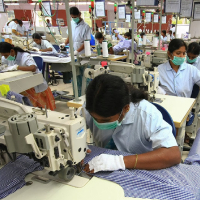
Precision Cutting & Heavy-Duty Assembly
Automated spreaders and multi-needle stitching lines ensuring maximum seam tensile strength.

Global Logistics & Containerized Shipping
Full export documentation and palletized packaging ensuring pristine arrival at Tema and Takoradi ports.
Partner with a Trusted Global Workwear Manufacturer
Equip your Ghanaian enterprise with certified, heavy-duty industrial workwear. Contact our technical sales team today to request fabric swatches, technical spec sheets, or custom volume price quotes.
Get a Quote