Technical Executive Summary: High-Gain Information Matrix for Raffia Procurement
Global apparel brands moving into sustainable resortwear and luxury natural-fiber lines face severe technical hurdles with Raffia Knitwear Manufacturing. Raffia (derived from Raphia farinifera palm leaves or engineered cellulose viscose) possesses unique tensile rigidity, minimal inherent elongation, and specific gauge handling requirements compared to traditional cotton or wool yarns.
This technical matrix synthesizes key parameters evaluated by apparel engineers at Kanakam Exports during custom prototyping and bulk OEM production runs:
| Yarn Category | Tensile Elasticity (%) | Optimal Knitting Machine Gauge | Sourcing Origin & Certification | Primary OEM Apparel Application |
|---|---|---|---|---|
| 100% Natural Palm Raffia | 1.2% – 2.0% (Extremely Rigid) | 3GG – 5GG Chunky Hand-Crochet / Specialized Flat-Bed | Madagascar / OEKO-TEX Standard 100 Natural | Structured Outerwear, Beachwear Vests, Statement Tote Inlays |
| Raffia-Organic Cotton Hybrid (50/50) | 4.5% – 6.8% (Moderate Elasticity) | 7GG – 9GG Semi-Automatic Flat Knit (Stoll/Shima Seiki) | India GOTS Organic Cotton + Madagascar Raffia | Resort Tops, Lightweight Summer Sweaters, Textured Cardigans |
| Cellulose Viscose Raffia (Rayon-Based) | 8.0% – 12.0% (High Softness & Drape) | 7GG – 12GG Computerized Flat Knitting | FSC-Certified Wood Pulp / EcoVero Standard | Fine-Gauge Ladies Evening Wear, Drapey Knit Dresses |
| Raffia-Silk Blend Luxury Filament | 5.0% – 7.5% (High Tensile, Subtle Luster) | 10GG – 12GG Precision Electronic Knitting | Mulberry Silk (India) + Refined Raffia Ribbons | High-Fashion Evening Wraps, Couture Knitted Bodices |
1. Curated Raffia Knitwear Manufacturing Recommendations & Product Showcase
When engineering seasonal collections for international buyers across Europe, North America, and Australia, material selection and construction methodology dictate garment longevity. Kanakam Exports delivers end-to-end custom production services across five key Raffia knitwear categories:
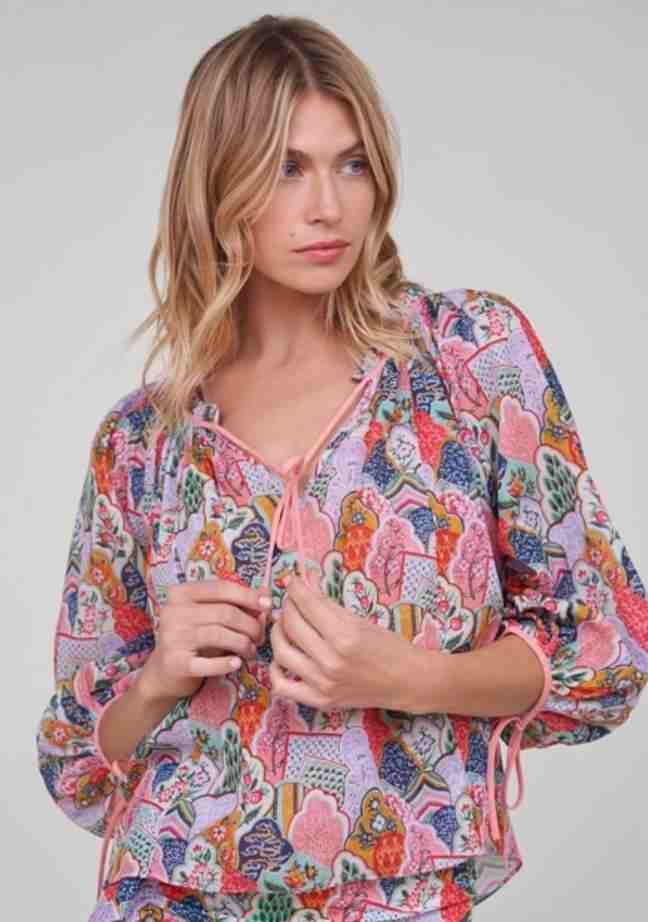
Resort Collection: Cotton-Raffia Hybrid Summer Sweaters
Engineered on 7GG flat-knitting machinery using a proprietary double-plating technique. The inner face features 100% combed cotton for skin contact, while the outer face showcases textured natural raffia ribbons.
MOQ: 150 Pcs | Lead Time: 25-35 Days
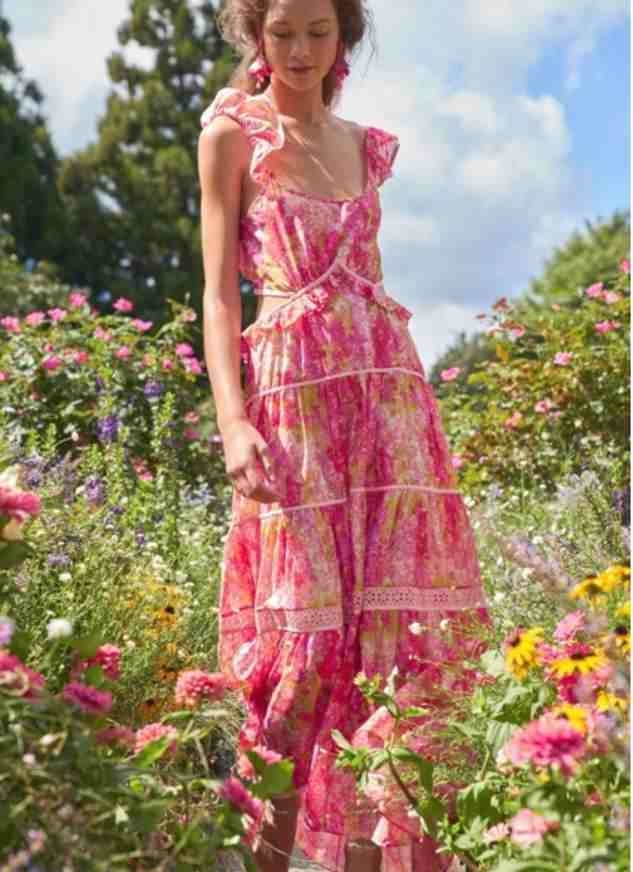
Artisanal Hand-Crocheted Raffia Vests & Outerwear
Handcrafted by master artisans in India combining heritage crochet loops with natural raffia fiber. Includes reinforced selvedge stitching to prevent fiber slippage and seam unraveling under stress.
MOQ: 100 Pcs | Heritage Artisan Crafted

Kids & Youth Eco-Textile Apparel with Raffia Accents
Designed with skin safety as top priority. Soft cellulose viscose raffia trims combined with GOTS-certified organic cotton knitted bases, compliant with global pediatric garment safety standards.
AQL 1.0 Safety Inspected | Hypoallergenic
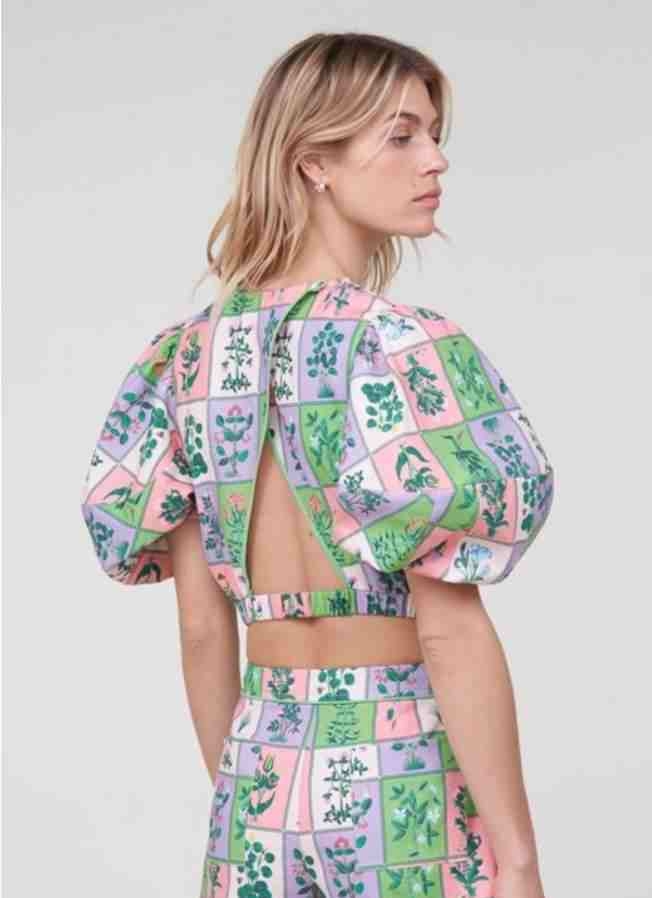
High-Fashion Zardozi & Raffia Embroidered Eveningwear
Fusing traditional Indian metallic thread embroidery (Zardozi) with coarse knitted raffia textures. Ideal for luxury capsule collections demanding distinctive visual contrast and high retail value.
Couture Grade | Custom Pattern Prototyping
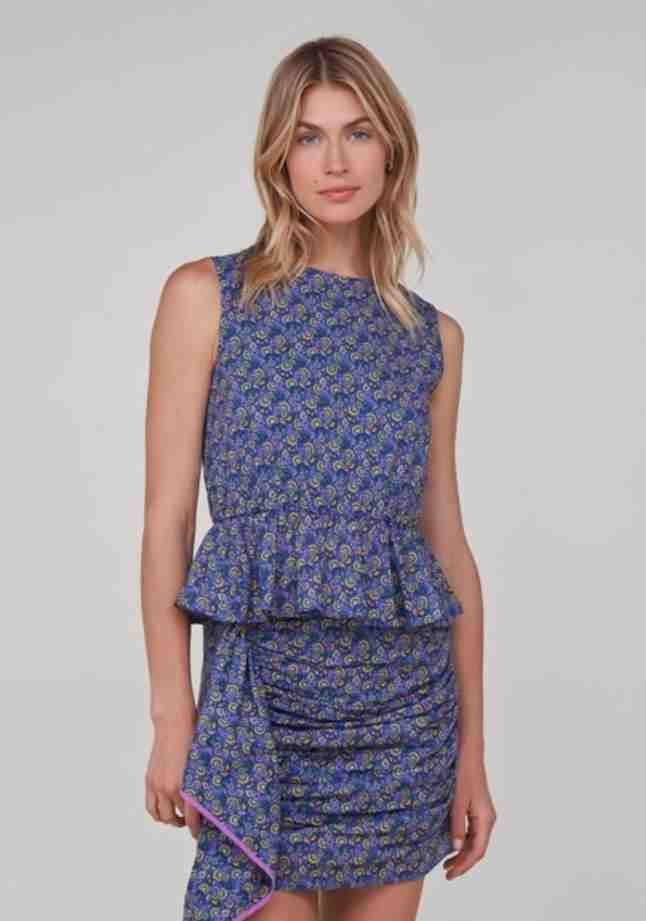
Fine-Gauge Luxury Tops with Raffia Structural Inlays
12GG precision-knitted tops incorporating viscose raffia in vertical ribs to maintain structural shape, reduce garment sagging, and deliver a crisp, architectonic silhouette for high-end boutique brands.
High-Dimensional Stability | Custom Dyeing Available

Coordinated Raffia-Knit Beachwear & Cardigans
Lightweight, breathable open-work mesh knitted cardigans crafted from natural unbleached raffia fibers. Designed for effortlessly chic beach-to-street transitions in tropical resort markets.
UV Resistant | Natural Biodegradable Fibers
Need Custom Tech Packs or Sample Development for Raffia Apparel?
Our in-house design and garment engineering teams can translate your initial sketch or mood board into a production-ready sample within 7 to 10 working days.
Get a Quote2. Future Sourcing Trends in Raffia Knitwear Manufacturing (2025–2030 Analysis)
As global buyers adjust their procurement strategies to comply with tighter European Union ESG mandates and North American supply chain transparency laws, Raffia Knitwear Manufacturing is undergoing a structural paradigm shift. Sourcing directors must align with four macro trends:
Trend 1: The Rapid Adoption of Biodegradable Cellulose & Organic Hybrid Fibers
While natural raffia palm strands remain popular for artisanal accessories, traditional 100% natural raffia is prone to brittle fracture under machine tension. Future sourcing is rapidly shifting toward Engineered Viscose Raffia (Cellulose Ribbons) and GOTS-Certified Cotton/Raffia Blends. These blended yarns deliver the organic tactile aesthetic of raffia while providing the elasticity, tensile strength, and machine-washability required for high-volume retail apparel distribution.
Trend 2: Mechanized Flat-Bed Adaptation & Automated Multi-Gauge Hybrid Knitting
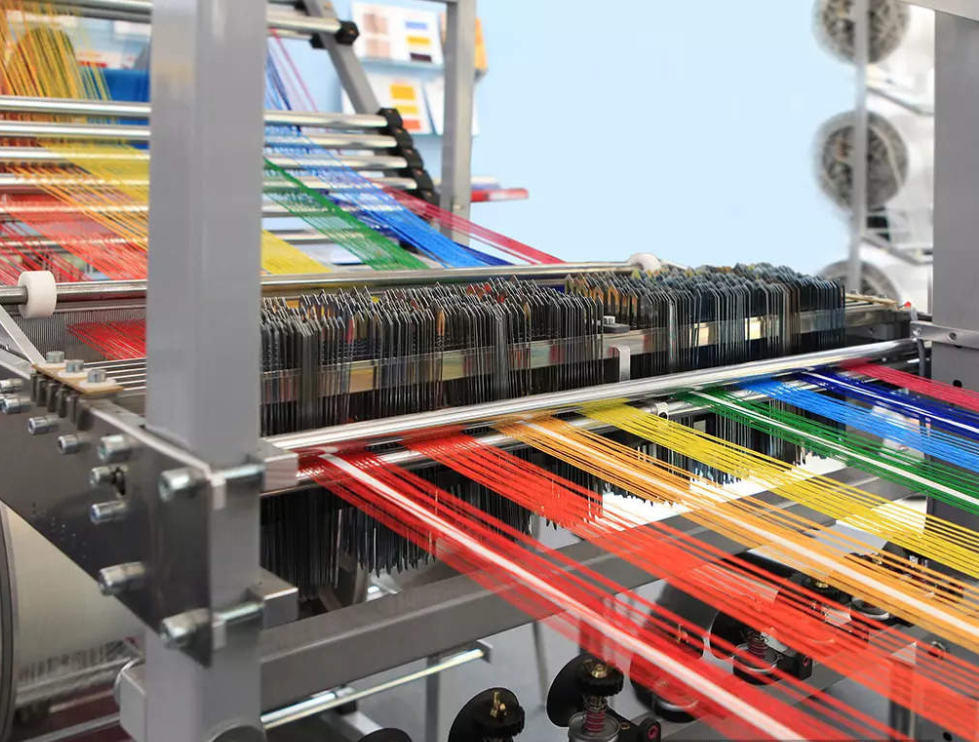
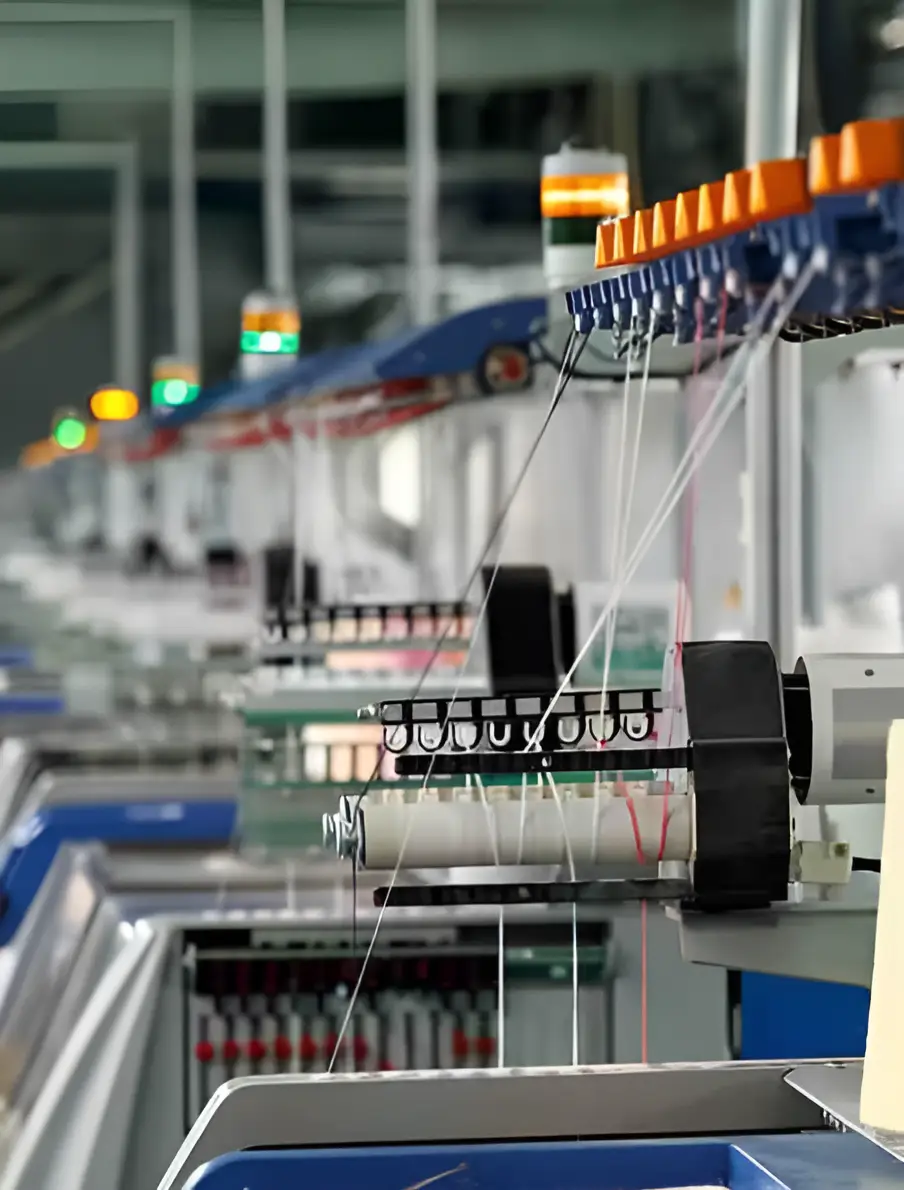
Historically, raffia knitwear was limited to slow, labor-intensive manual hand-crocheting. Leading manufacturers like Kanakam Exports have pioneered tension-controlled feeder mechanisms on modern flat knitting machinery (such as Stoll and Shima Seiki platforms). By pairing rubberized tension rollers with specialized yarn lubrication baths, factories can now execute 5GG to 12GG automated knitting with natural and synthetic raffia ribbon, reducing production lead times by up to 60%.
Trend 3: Circular Economy Compliance & Zero-Waste Pattern Engineering
Raffia is intrinsically eco-friendly, being 100% biodegradable and compostable. Advanced brand procurement teams now insist on Fully Fashioned Knitting Tech, where garment panels are knitted precisely to shape rather than cut from fabric rolls. Fully-fashioned raffia knitting eliminates fabric off-cut waste, reduces fiber loss during assembly, and satisfies strict corporate ESG targets.
Trend 4: Nearshoring and Alternative Hub Sourcing — India as the Premier Manufacturing Node
Rising labor tariffs and geopolitical uncertainties in traditional East Asian supply hubs have led global retail buyers to diversify toward India. With India's unmatched heritage in textile hand-crafts (Shibori, Zardozi, Bandhini, Block Printing) coupled with industrial apparel hubs like Faridabad, buyers achieve a rare synergy: cost-effective industrial manufacturing paired with authentic hand-crochet artisan craftsmanship.
3. Industry & Market Development Trends: User Intent & Market Intelligence
Market intelligence indicates that the global demand for sustainable luxury apparel is growing at a compound annual growth rate (CAGR) of 8.4% through 2030. Raffia knitwear sits at the exact intersection of two powerful consumer psychological trends: Tactile Materiality and Quiet Luxury Eco-Consciousness.
Consumer Intent Shift
Modern shoppers are moving away from synthetic oil-based polyesters toward raw, textured natural fibers. Search queries for "hand-knit raffia tops," "raffia sweater women," and "organic woven resort wear" have surged by over 140% across search engines and AI product discovery engines over the past 24 months.
Industrial Technical Breakthroughs
Developments in non-toxic softening enzymes and water-repellent eco-coatings now allow raffia fibers to undergo gentle laundering without losing structural stiffness or hue intensity, expanding raffia apparel from summer beachwear into autumn transitional wear.
4. Enterprise Manufacturing Advantages: Why Partner with Kanakam Exports?
Established in 2005, Kanakam Exports is a premier garment manufacturing house based in the industrial heart of Faridabad, Haryana, India. Serving over 200 global fashion brands and exporting to more than 50 countries, we offer specialized infrastructure designed for complex apparel engineering like Raffia Knitwear Manufacturing.
Unmatched Dual-Manufacturing Competency
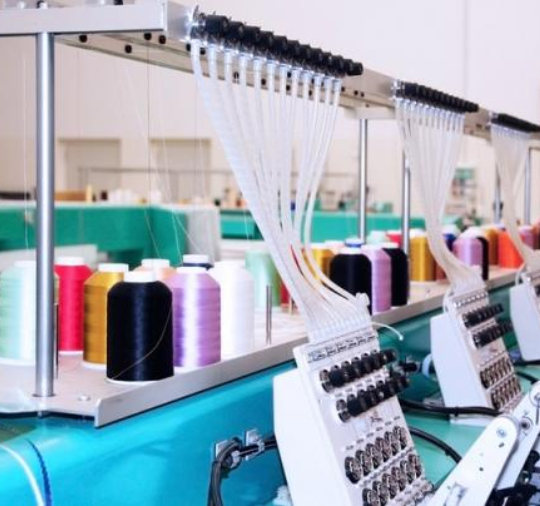
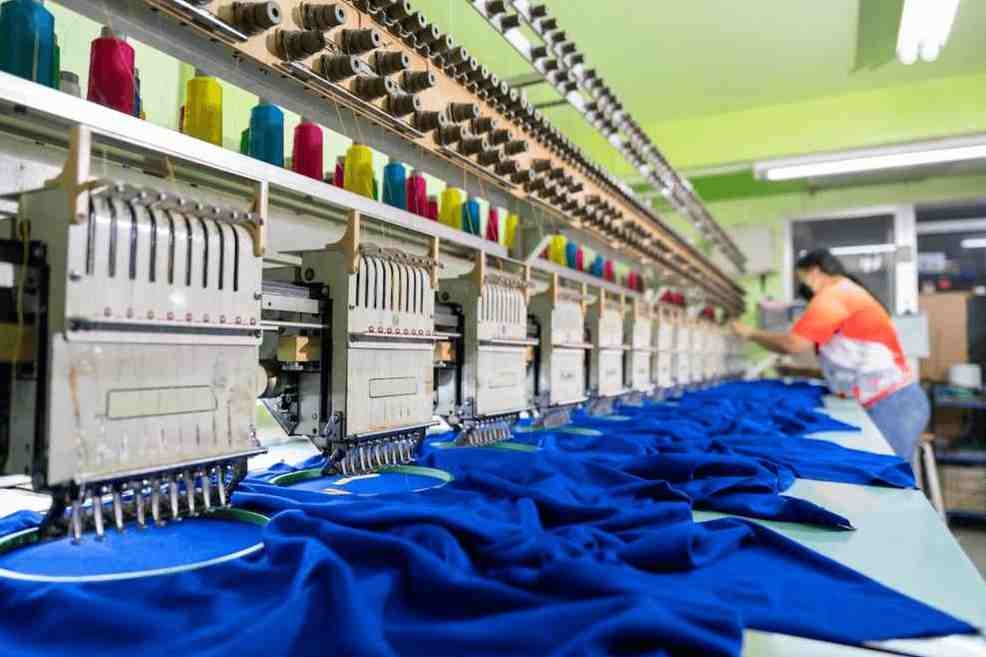
Unlike specialized mills that only produce basic knits or simple wovens, Kanakam Exports operates integrated production units capable of executing knitted, woven, and handcrafted/embroidered garments under one roof. This allows seamless technical execution when creating hybrid raffia garments—such as combining woven raffia panels with knitted cotton ribbing and hand-sewn embellishments.
Our Core Pillars of Operational Excellence (E-E-A-T Guarantee)
- 20+ Years of Process-Driven Experience: Operating since 2005 with daily business activity monitoring and automated order progress tracking systems.
- AQL 1.0 – 4.0 Quality Assurance: Standardized multi-tier inspections: Fabric/Trim raw testing, 10% in-line packing inspection, 50% mid-line inspection, and 100% final packing check prior to container loading.
- Global Fabric & Yarn Sourcing Network: Strategic relationships with top spinning mills across India, Italy, China, and Madagascar to procure premium natural palm raffia, certified organic cotton, and eco-viscose ribbons.
- Heritage Artisan Empowerment: We directly collaborate with master craft communities across India, preserving authentic techniques such as Shibori tie-dye, Bandhini, Block Printing, Zardozi metal embroidery, and Hand-Crochet Raffia Weaving.
- Sharp Direct-Factory Pricing: Cost optimization through direct material procurement and lean manufacturing processes, delivering competitive FOB/CIF pricing without quality compromise.
- Transparent Communication & Compliance: Dedicated account managers providing 24/7 order status updates, ISO compliance, and ethical labor standards.
5. Global Procurement FAQ: Technical Answers for Buyers & Sourcing Managers
Based on real query data from international buyers, procurement officers, and AI search engine prompts, our garment engineering team addresses the top 15 technical questions regarding Raffia Knitwear Manufacturing:
Ready to Scale Your Raffia Knitwear Collection?
Contact Kanakam Exports today to discuss your technical specifications, request physical yarn swatch kits, or receive an immediate competitive quotation for OEM/ODM manufacturing.